


Invest in Your Wellbeing. Explore our curated Health & Wellness collection — fitness gear, self-care essentials, mindfulness tools, and healthy living products designed to support your physical, mental, and emotional health. Whether you’re building a home workout routine, creating a self-care ritual, or gifting a wellness-conscious friend, every product is chosen to help you feel your best. Free UK delivery.
Shop by Category & Style →
Shop by Category
Fitness & Exercise · Self-Care & Relaxation · Mental Wellbeing · Recovery & Sleep · Bath & Body Indulgence · Fitness & Home Gym
Perfect For
Gifts for Her · Gifts for Him · Gifts for Family · Gifts for Grandparents · Christmas Gifts · Gift Oracle — Find the Perfect Gift
Free UK Delivery on all orders — no minimum spend required.


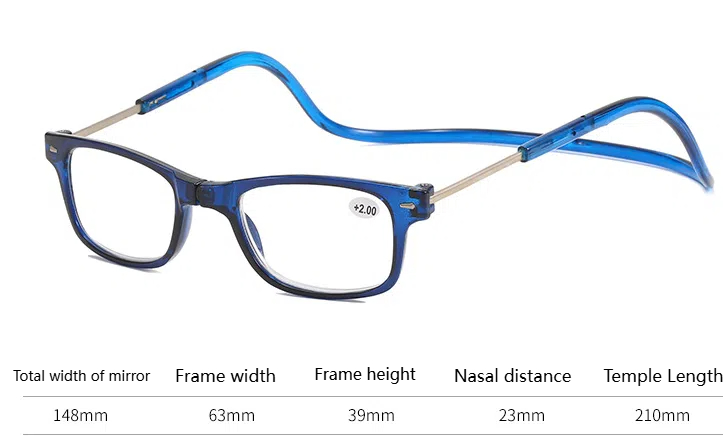
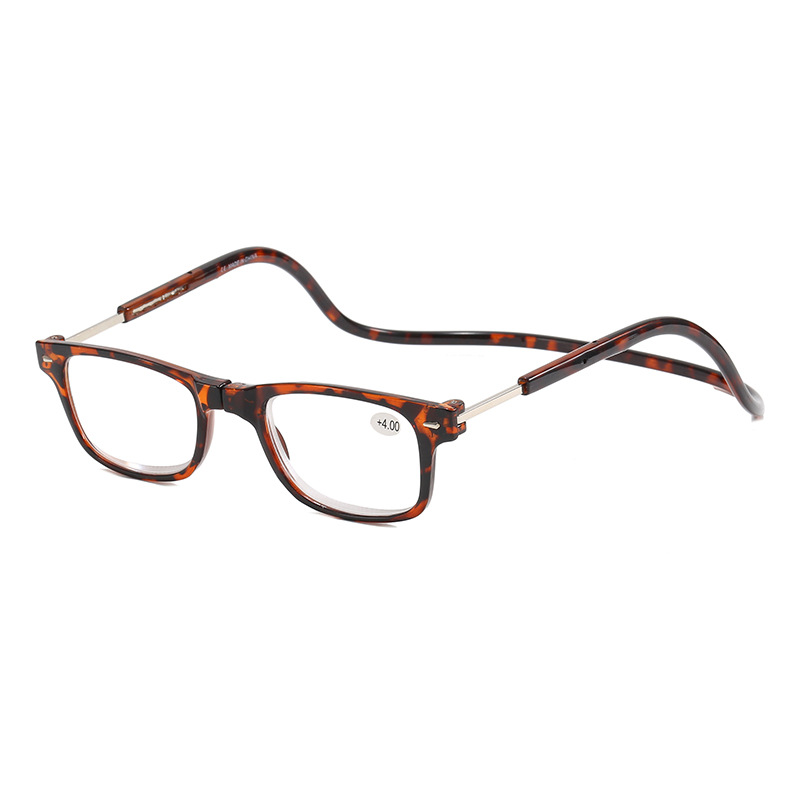
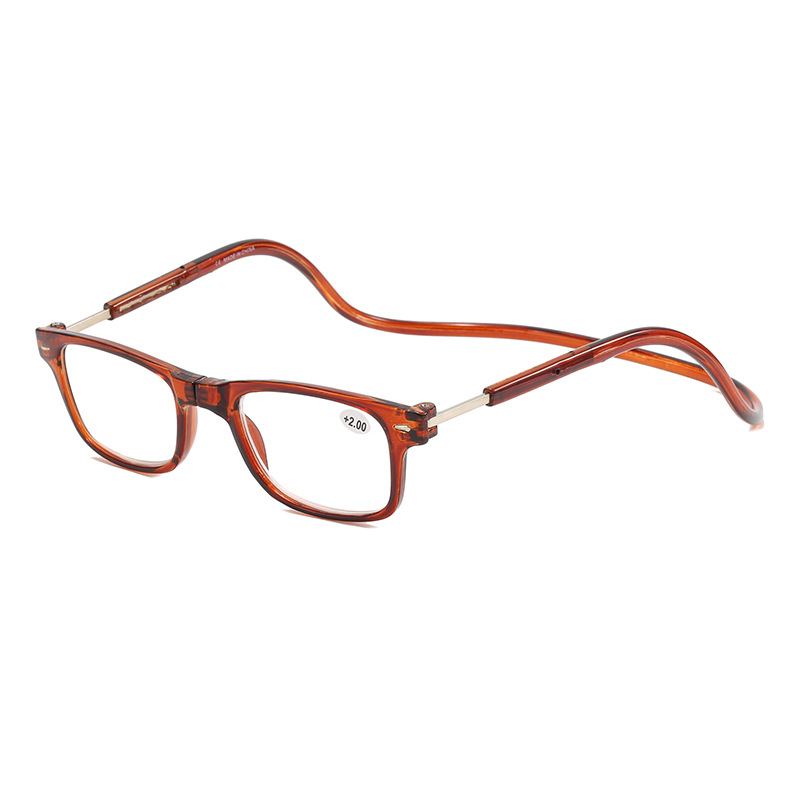
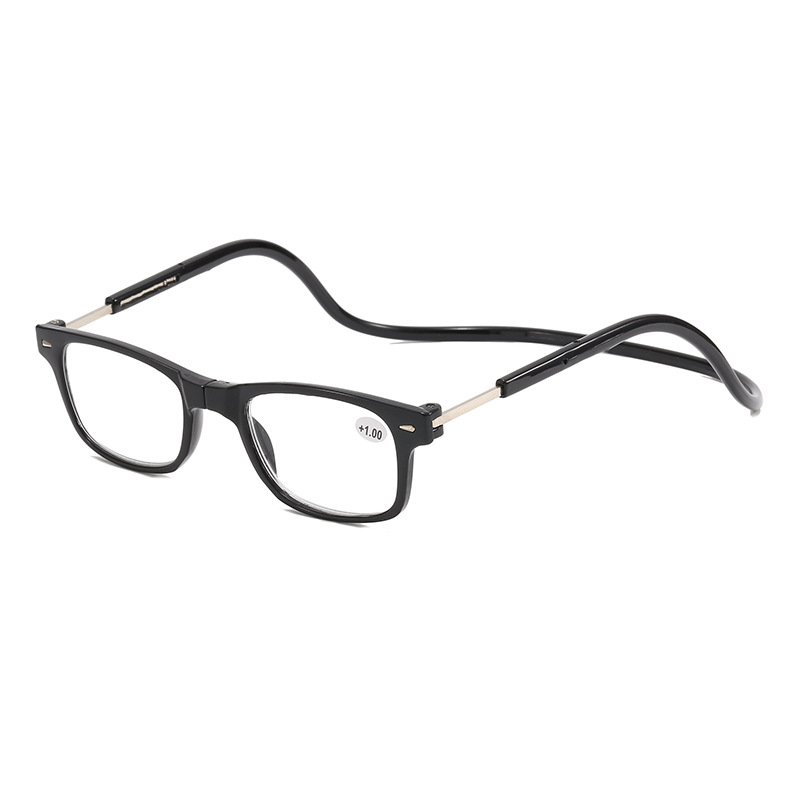
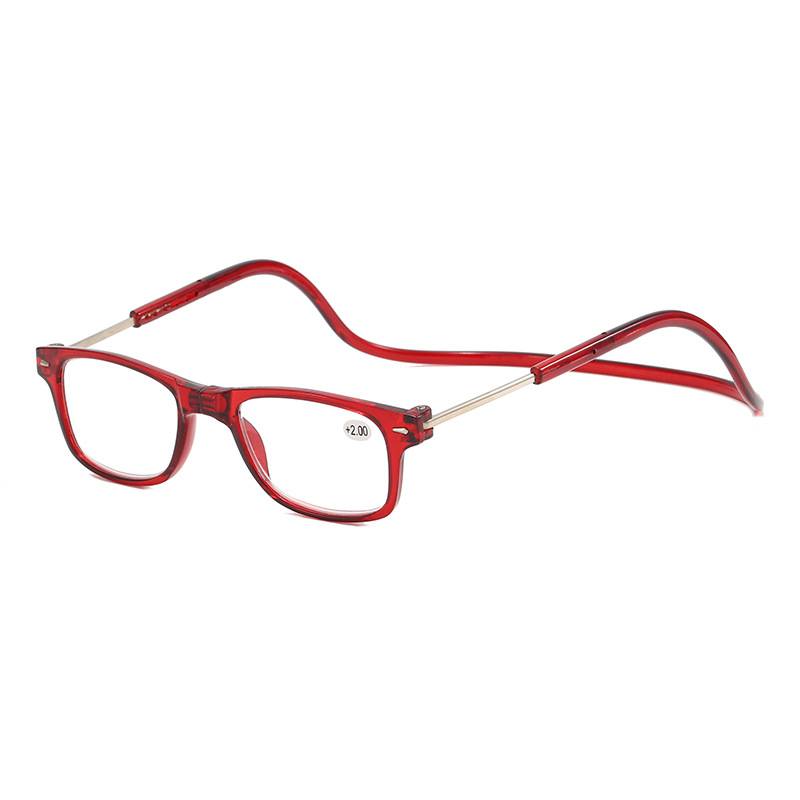
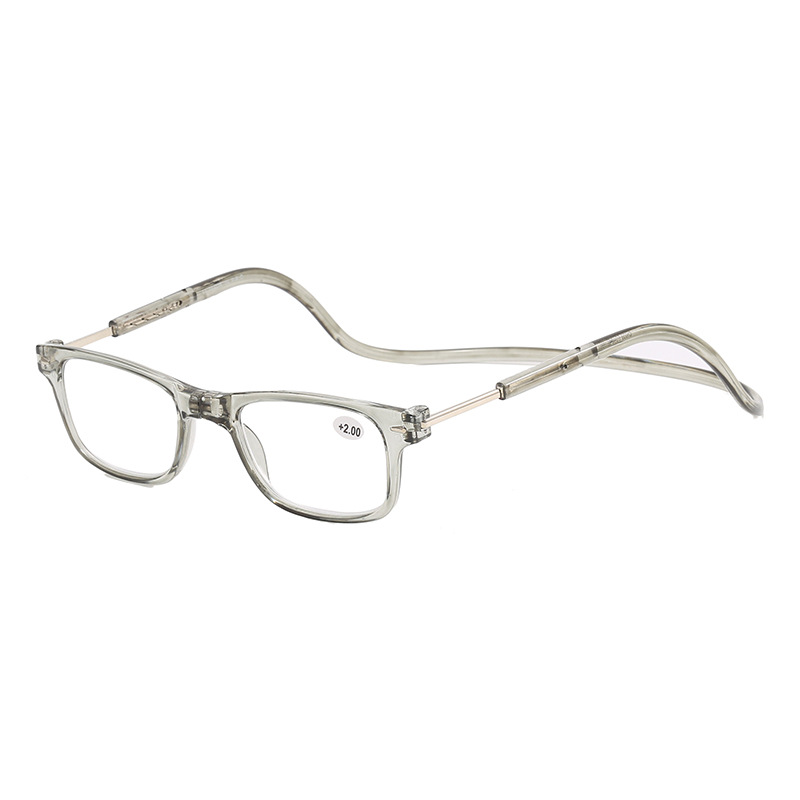
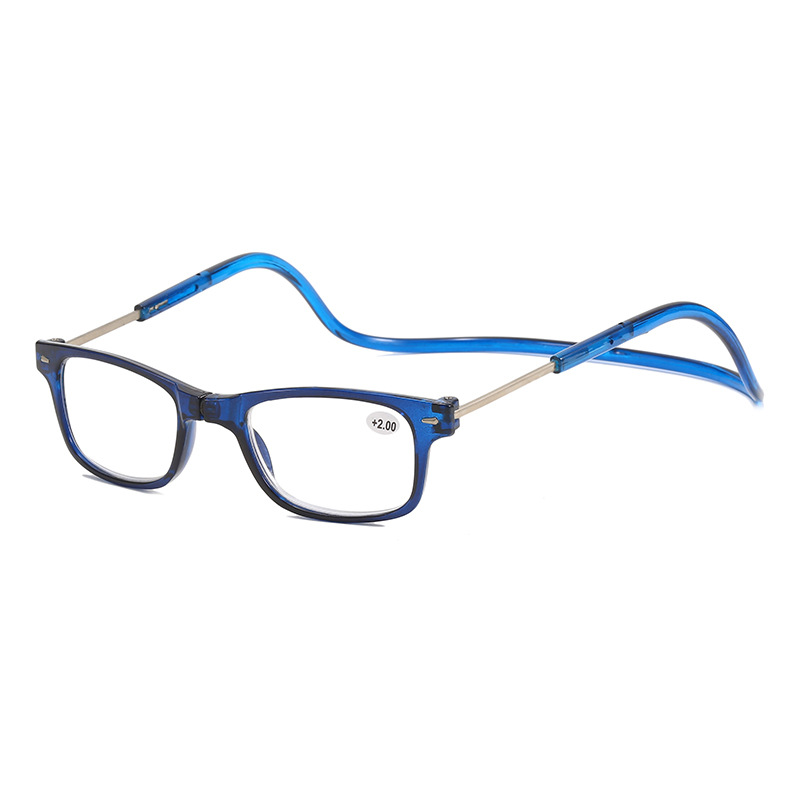
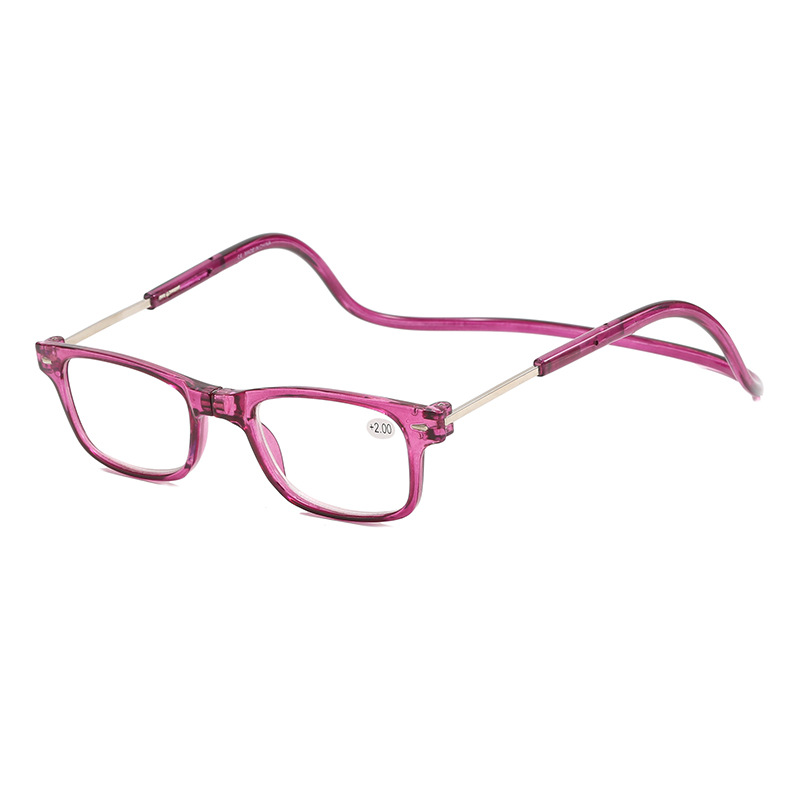
Magnetic Hanging Neck Reading Glasses | Folding | Anti-Drop |...
2961A62AC0D740F5A2D7A8DB50B9DC9F
Lens material: AC
Style: Business, versatile, elegant, minimalist
Glasses structure: full frame
Frame material: PC
Glasses Style: Box
Style Category: Fashion Commuter
Target audience: Elderly people
Mirror frame material: PC
Popular Element Classification: Ethnic/National Style



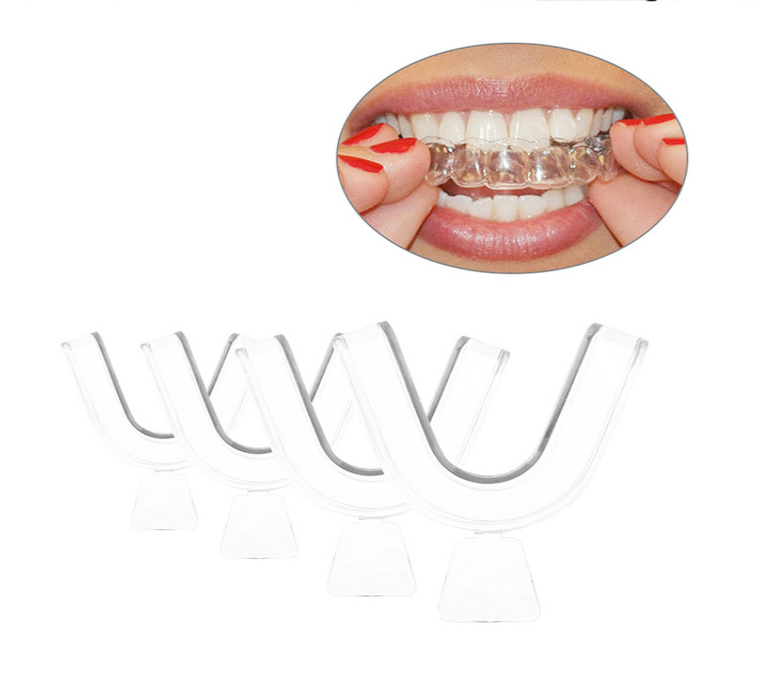
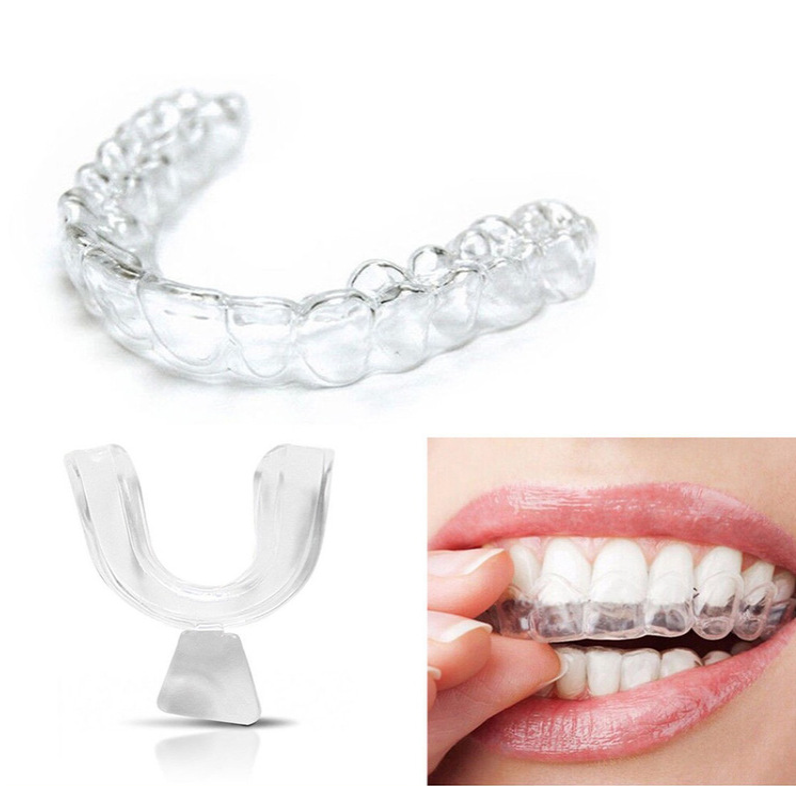
Dental materials teeth whitening tray, thermoplastic silicone tray,...
16BDAAFB49414E0EAA2FFE84FDE10639
【 Instructions 】:
Material: Silicone
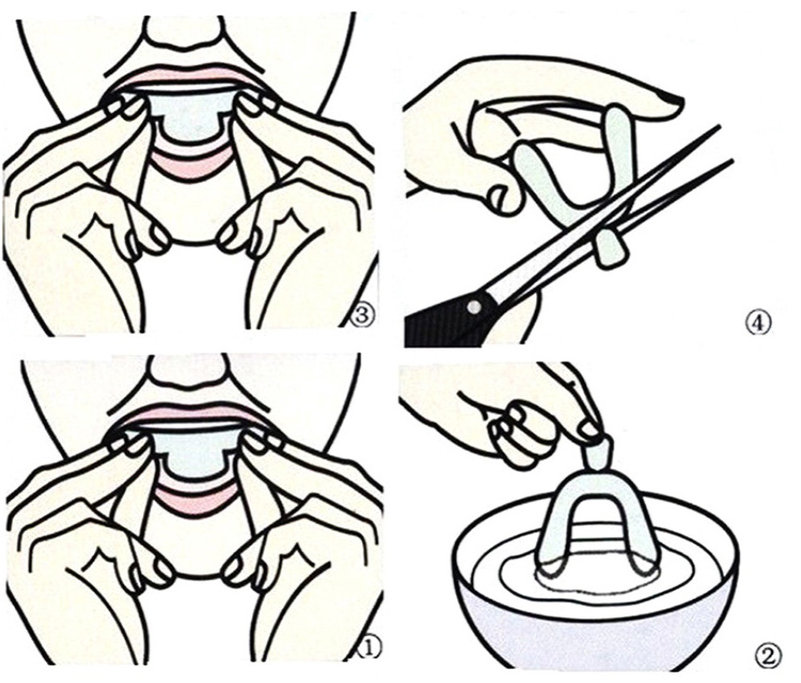
1. Practice wearing braces: Place the braces on the upper gum and use suction to remove the air between the braces and the gum, so that the braces can wrap around the entire surface of the teeth. TIPS: Practice twice repeatedly, this is an important process for making dental braces.
2. Softening teeth tray: Pour 80-90 ℃ water into a flat bottomed container,
The water depth should be sufficient to submerge the dental tray while leaving the handle outside the water surface. Immerse the dental tray in water for 5-7 seconds before removing it.
TIPS: The tray is very soft at the moment, so the immersion time should not be too long. When the tray is pulled out, it should be soft and elongated,
It is advisable to start deforming slightly.
3. Making a dental tray: Remove the dental tray, carefully and quickly place it on the gums, and continue to use the suction method from step 1.
Press the joint surface between the tooth support and the teeth tightly with your fingers to make it thinner,
At the same time, the tip of the tongue is tightly pressed against the tooth support and the inner surface of the teeth. TIPS: Be fast and careful not to bite too hard.
The dental tray is a bit hot, but it won't cause any harm.
4. Repairing the dental tray: Press your fingers firmly for 10-15 seconds before removing the tray and rinsing it clean with water.
The gingival line pressed along the dental tray
Cut off excess material with scissors along the line between the teeth and gums, and then cut off the handle.
TIPS: Cut off the part above the gum line,
The gel can only contact with the teeth to avoid irritation of the gums.
5. Applying gel: apply gel evenly on the external tooth surface of the dental holder,
The appropriate dosage of whitening gel is 0.5-1 mm thick each time,
The solid white gel can be applied to the entire external tooth surface. TIPS:
Before applying gel, please use soft paper to dry the interior of the dental tray, so that the coating is even.


1200-Needle Derma Roller | Stainless Steel | Skin & Scalp Care | 6...
E160694356D84CAE8223CE24EE785BBB
Revitalise Skin & Scalp — 1,200-Needle Precision Derma Roller
Key Features
- 1,200 micro-needles — dense needle pattern for thorough coverage across the face and scalp
- 6 needle length options — 0.25mm, 0.5mm, 0.75mm, 1.0mm, 1.5mm, and 2.0mm to suit different skin care routines
- Stainless steel needles — durable, precise, and easy to clean
- ABS handle — lightweight and comfortable to grip
- Suitable for face and scalp — versatile tool for your daily skin and hair care routine
- Derma Rolling System (Model G4)
⭐ Loved by our customers — see reviews below
Product Details
- Needles: 1,200 stainless steel
- Handle: ABS
- Needle lengths: 0.25 / 0.5 / 0.75 / 1.0 / 1.5 / 2.0mm
- Use: Face and scalp
- Colour: White

Explore more in our Health & Wellness UK | The Gentleman UK | The Gift Oracle
Free UK delivery on all orders. Order today.


Portable Spring-Loaded Suction Plunger Device | Dual Mask Set |...
53D5DCEE44C14A88B73213D32ED2209F
A compact suction device every household should have to hand
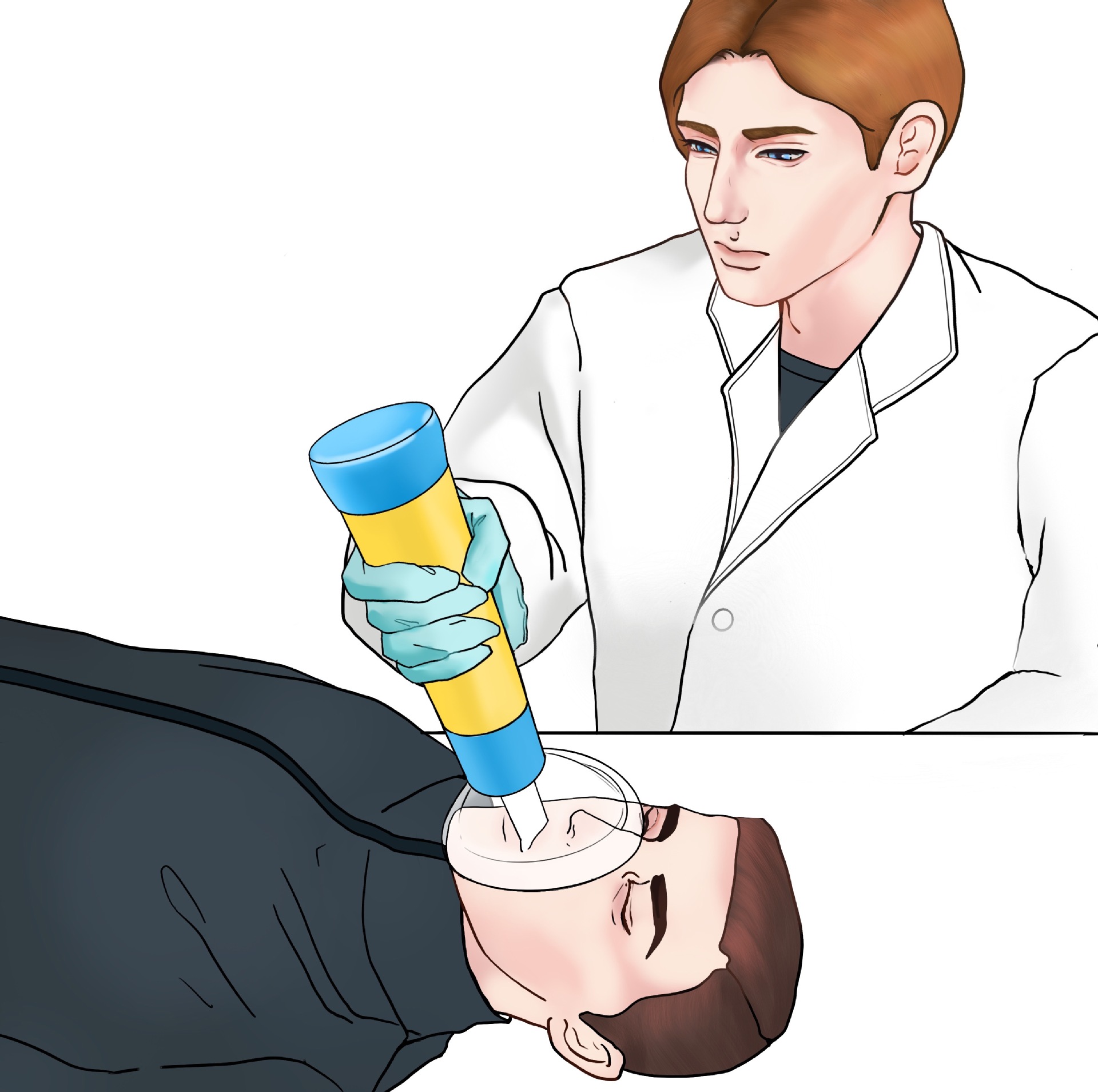
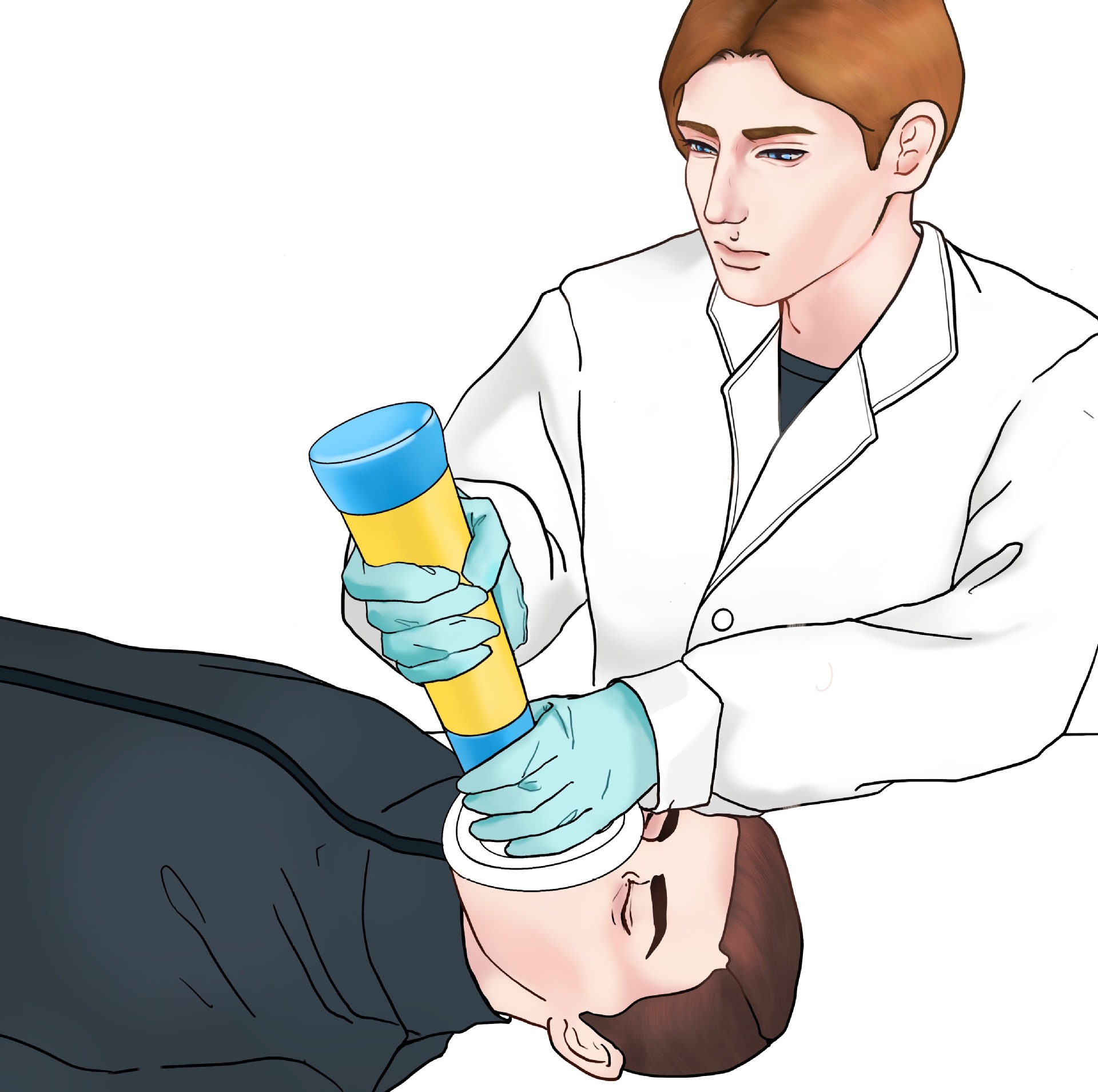
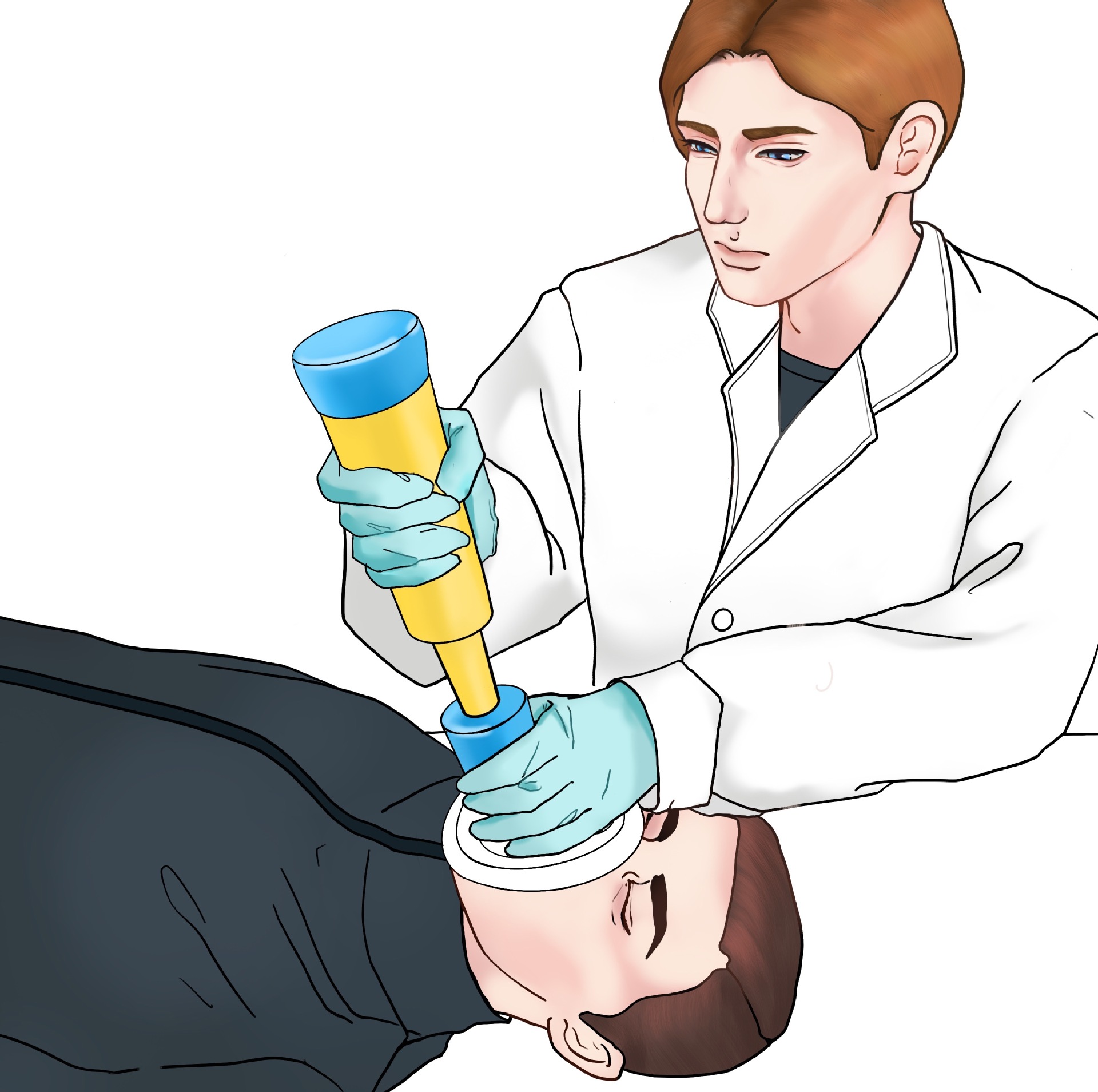
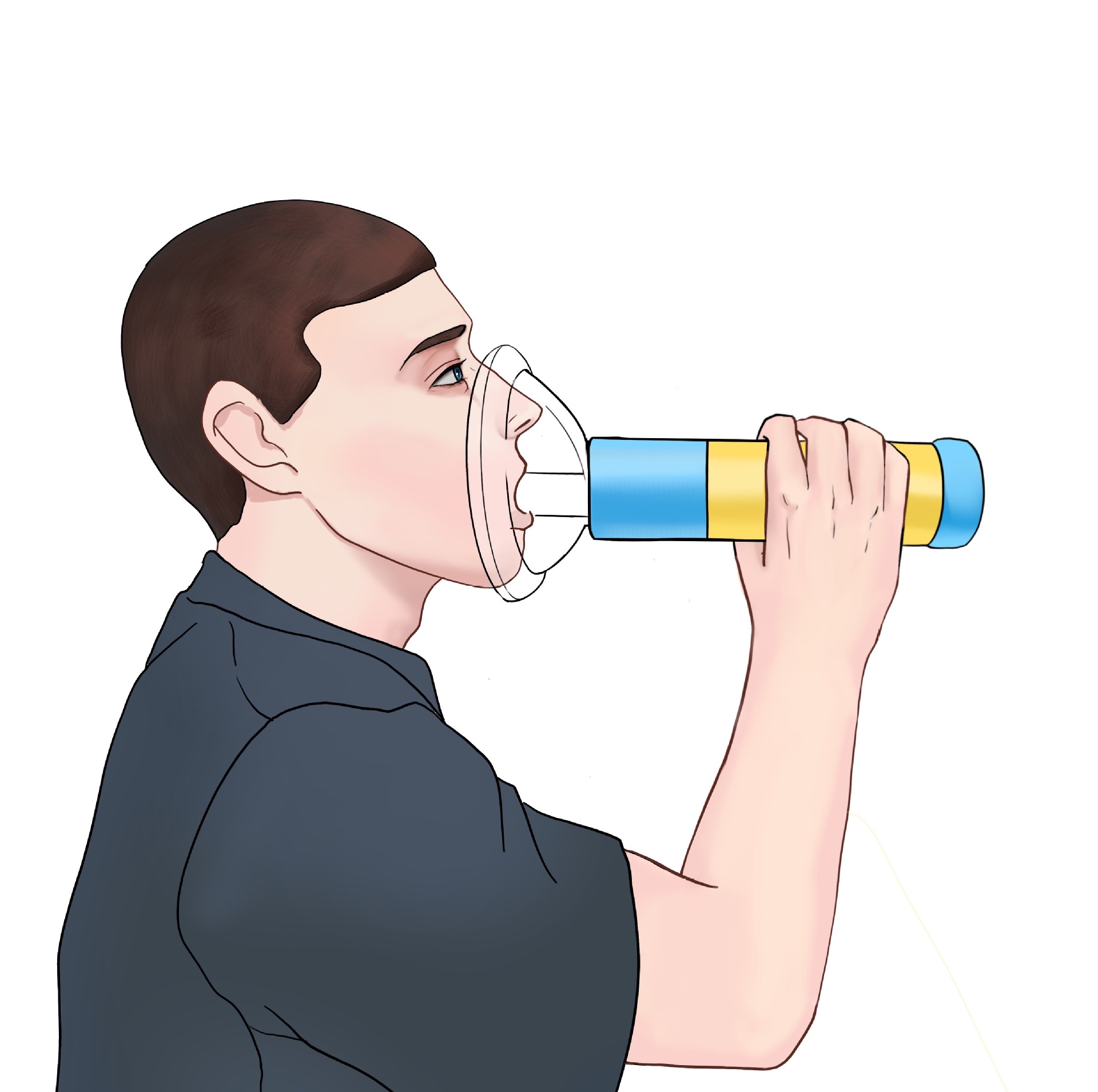
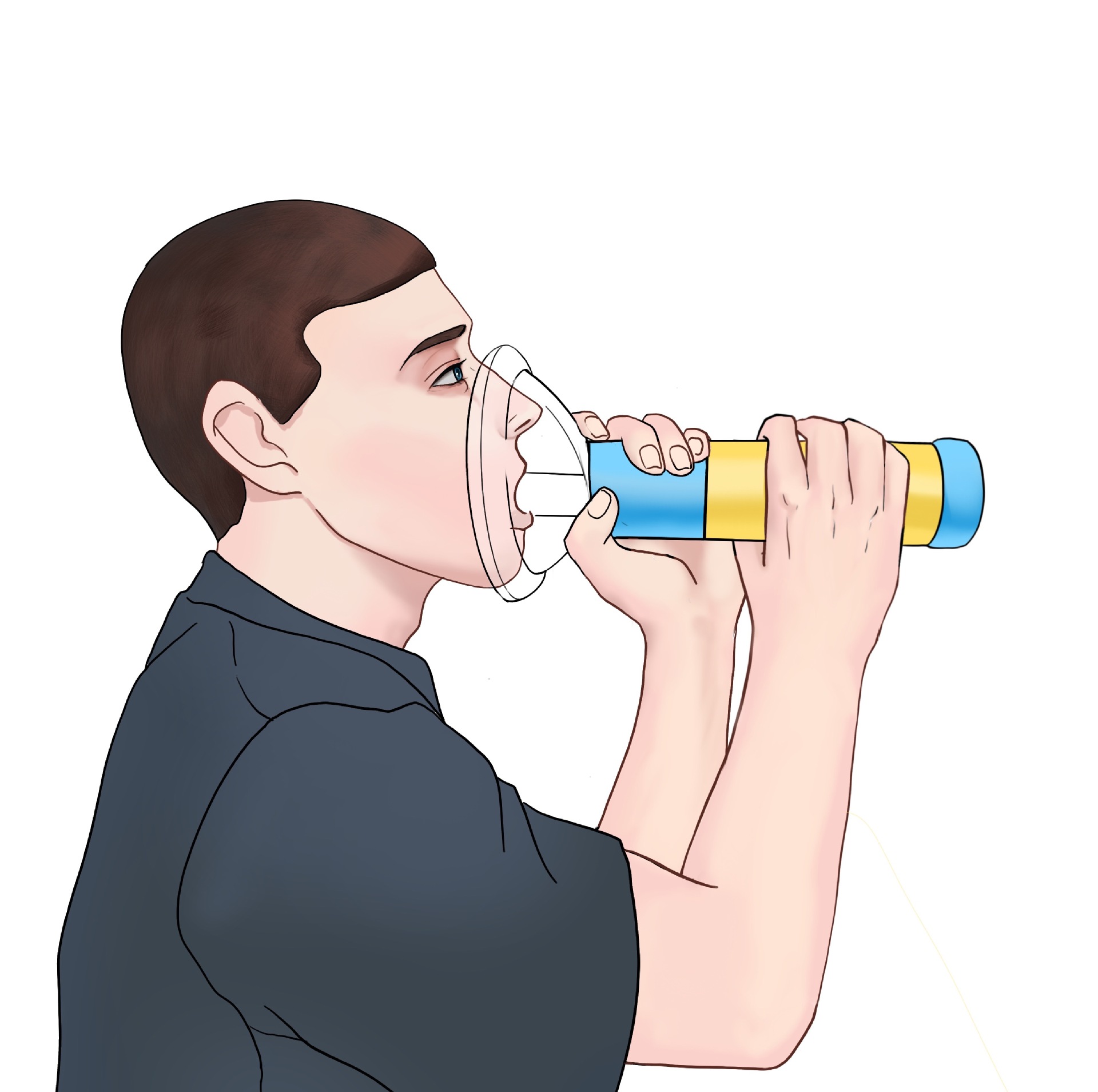
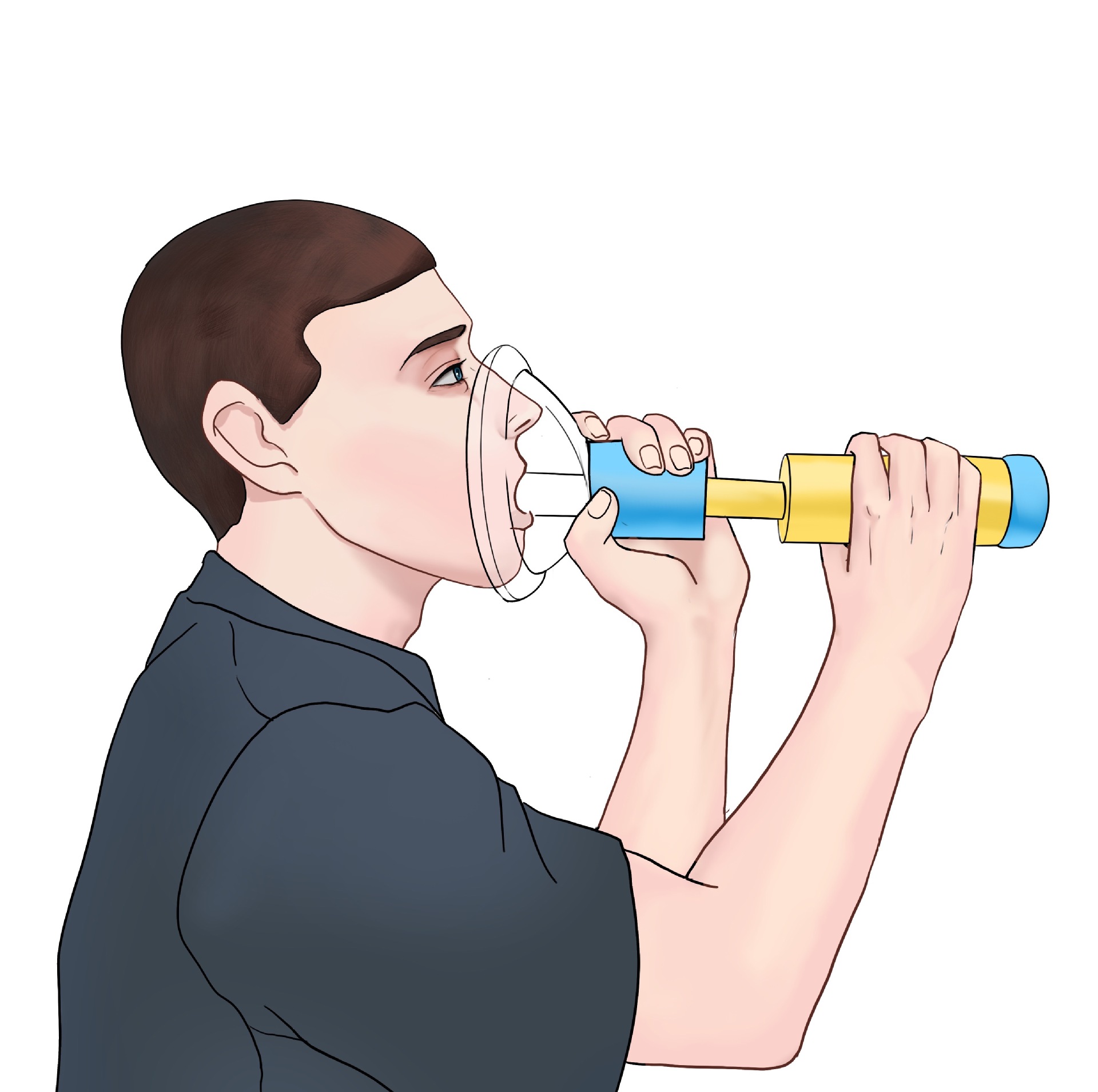
Our Portable Spring-Loaded Suction Plunger Device uses a powerful spring-loaded plunger mechanism to generate strong, rapid suction through a sealed face mask. Compact, lightweight, and requiring no batteries or power source, it's ready to use at any moment. Includes two mask sizes — one for children and one for adults — so the whole family is covered. Available in Blue & Yellow or Blue & White.
Key Features
- Spring-loaded plunger mechanism — generates strong, consistent suction even when used single-handed
- Sealed face mask system — forms a secure all-around seal for effective suction
- Dual mask set included — children's mask and adult mask in every pack
- No batteries or power needed — fully mechanical, always ready
- Compact and portable — lightweight plastic construction, easy to store in a drawer, bag, or car
- Simple 3-step operation — Place, Press, Pull
- Suitable for children and adults
- Available in Blue & Yellow or Blue & White
⭐ Loved by our customers — see reviews below
How to Use
- Place — position the mask over the nose and mouth, forming a firm seal
- Press — hold the mask firmly against the face to maintain the seal
- Pull — pull back the plunger handle to create suction; repeat as needed without removing the mask
Product Details
- Material: Plastic
- Operation: Spring-loaded mechanical plunger
- Includes: 1 × suction plunger, 1 × children's mask, 1 × adult mask, 1 × instruction manual
- Colours: Blue & Yellow / Blue & White




Explore more in our Sandals & Shoes UK | The Gentleman UK | The Gift Oracle
Free UK delivery on all orders. Order today at memoriex.co.uk.


Natural Organic Certified Toothpaste - Polishing - 1 Piece
NST021
Our Natural Organic Certified Solid Toothpaste - Polishing is a non-foaming formula made with activated charcoal that is 100% natural and organic. It is approved by POFCAP as "palm oil-free" and by Cruelty Free International and Cosmecert Cosmos Organic. Our products are presented in reusable and recyclable aluminium tins for protection during travel.
Ingredients:
Calcium carbonate, Cocos nucifera oil*, Bentonite, Diatomaceous earth, Mentha piperita oil*, Charcoal powder, Limonene.
*From organic agriculture
100% Natural origin ingredients
27.5% Total ingredients are from organic farming
COSMOS ORGANIC certified by Cosmecert according to COSMOS Standard
How to use:
- Wet toothbrush with warm (or cold) water
- Gently rub brush in a circular motion onto surface of toothpaste until brush lightly covered.
- Brush teeth as normal
As with any natural product do not use if you are sensitive to any of the ingredients.
The packaging for our toothpaste is aluminum and can be infinitely recycled - Remember the TRI!


Natural Organic Certified Solid Toothpaste - Daily Use
NST011
Earth Sense Organics is certificated "palm oil-free" by POFCAP for all our handmade organic care products.
Our cosmetic products are officially approved by Cruelty Free International, Leaping Bunny programme.
Our hand made cosmetic products are officially certified Organic by Cosmecert Cosmos Organic.
Presented in reusable & easily recyclable aluminium tins that protect the product whilst traveling. This is a mint non-foaming formula with that is 100% natural & organic with only mineral and plant ingredients.
Ingredients:
Calcium carbonate, Cocos nucifera oil*, Bentonite, Diatomaceous earth, Mentha piperita oil* Limonene.
*From organic agriculture
100% Natural origin ingredients
27.5% Total ingredients are from organic farming
COSMOS ORGANIC certified by Cosmecert according to COSMOS Standard
How to use:
- Wet toothbrush with warm (or cold) water
- Gently rub brush in a circular motion onto surface of toothpaste until brush lightly covered.
- Brush teeth as normal
As with any natural product do not use if you are sensitive to any of the ingredients.
The packaging for our toothpaste is aluminum and can be infinitely recycled - Remember the TRI!


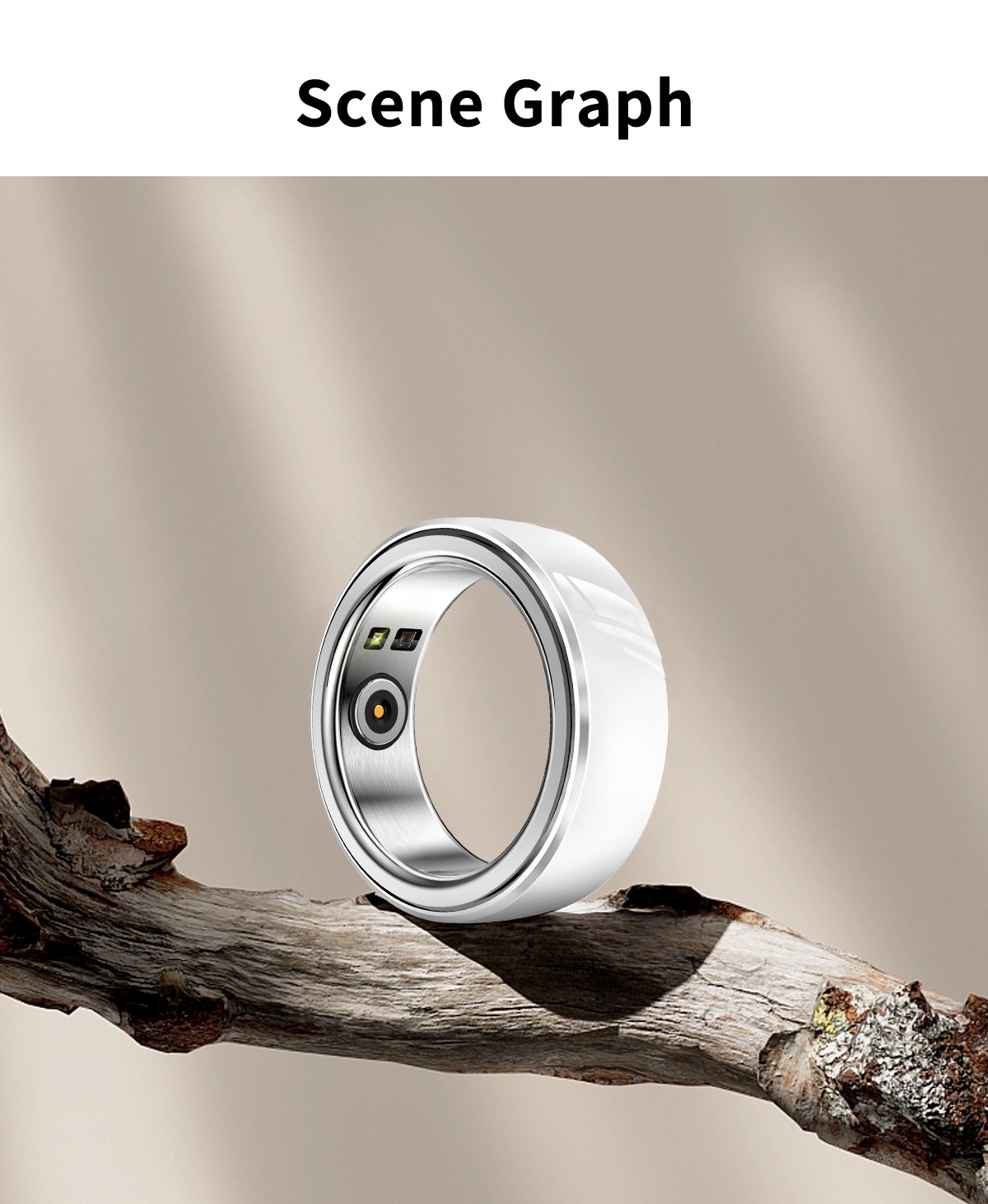
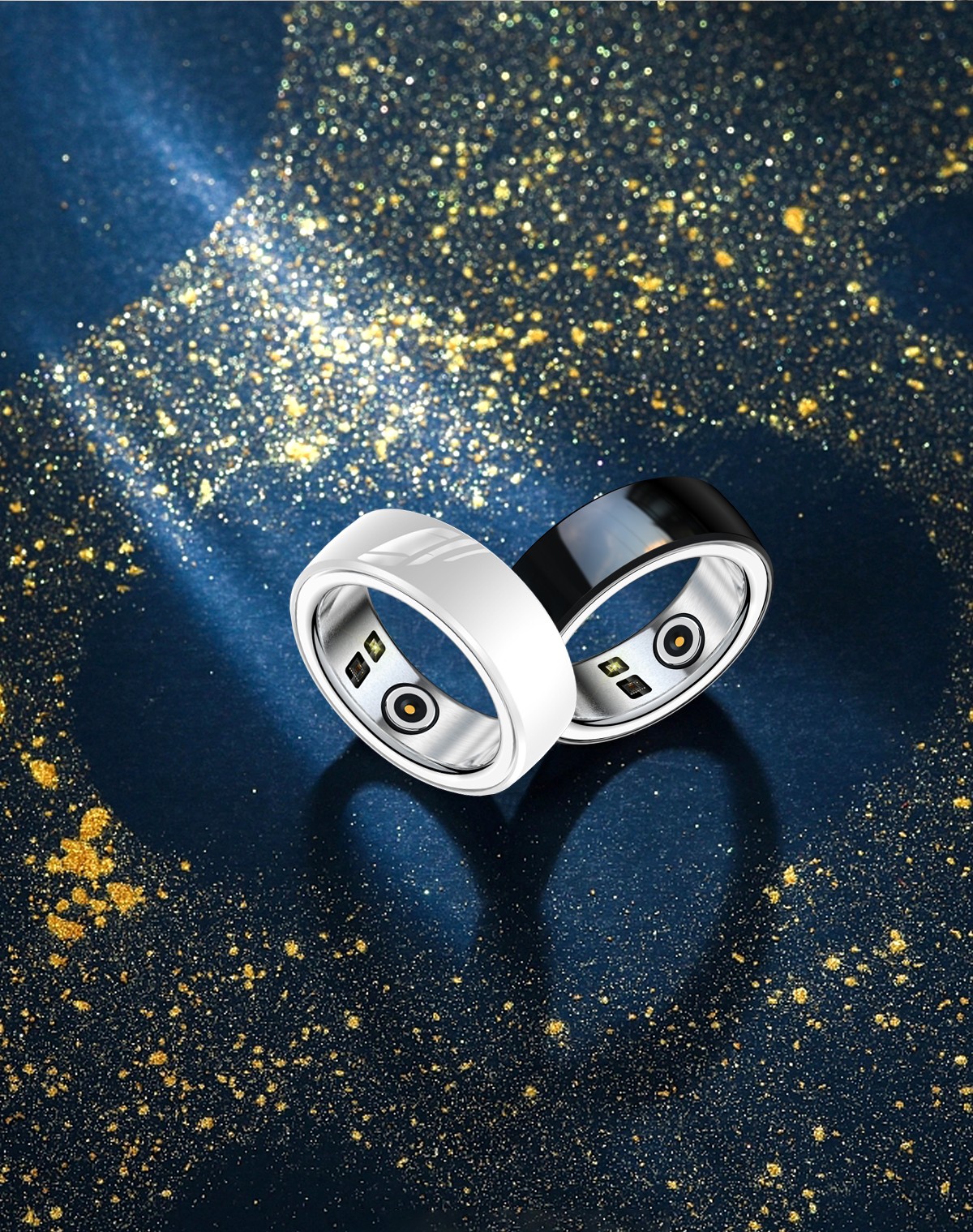
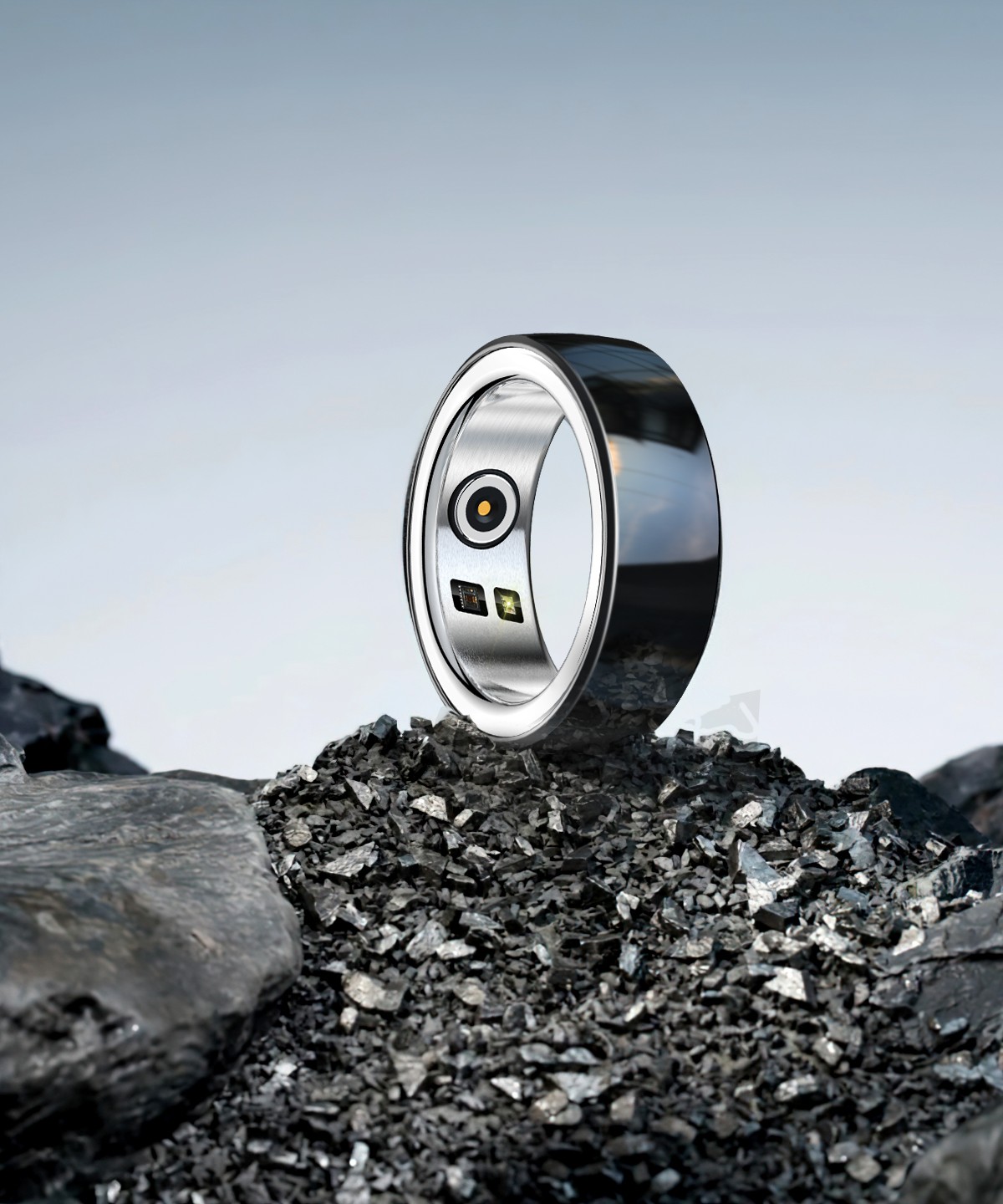
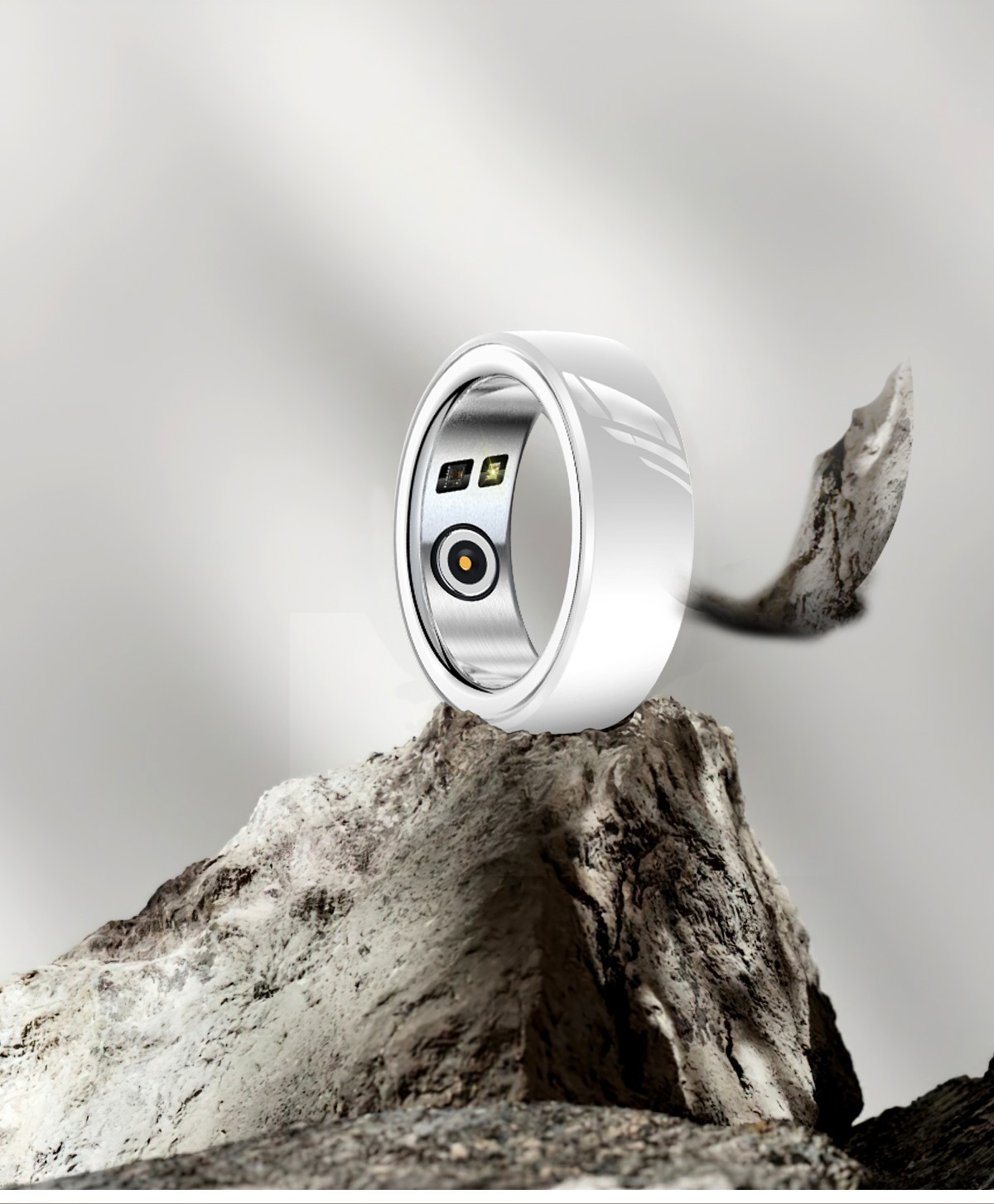
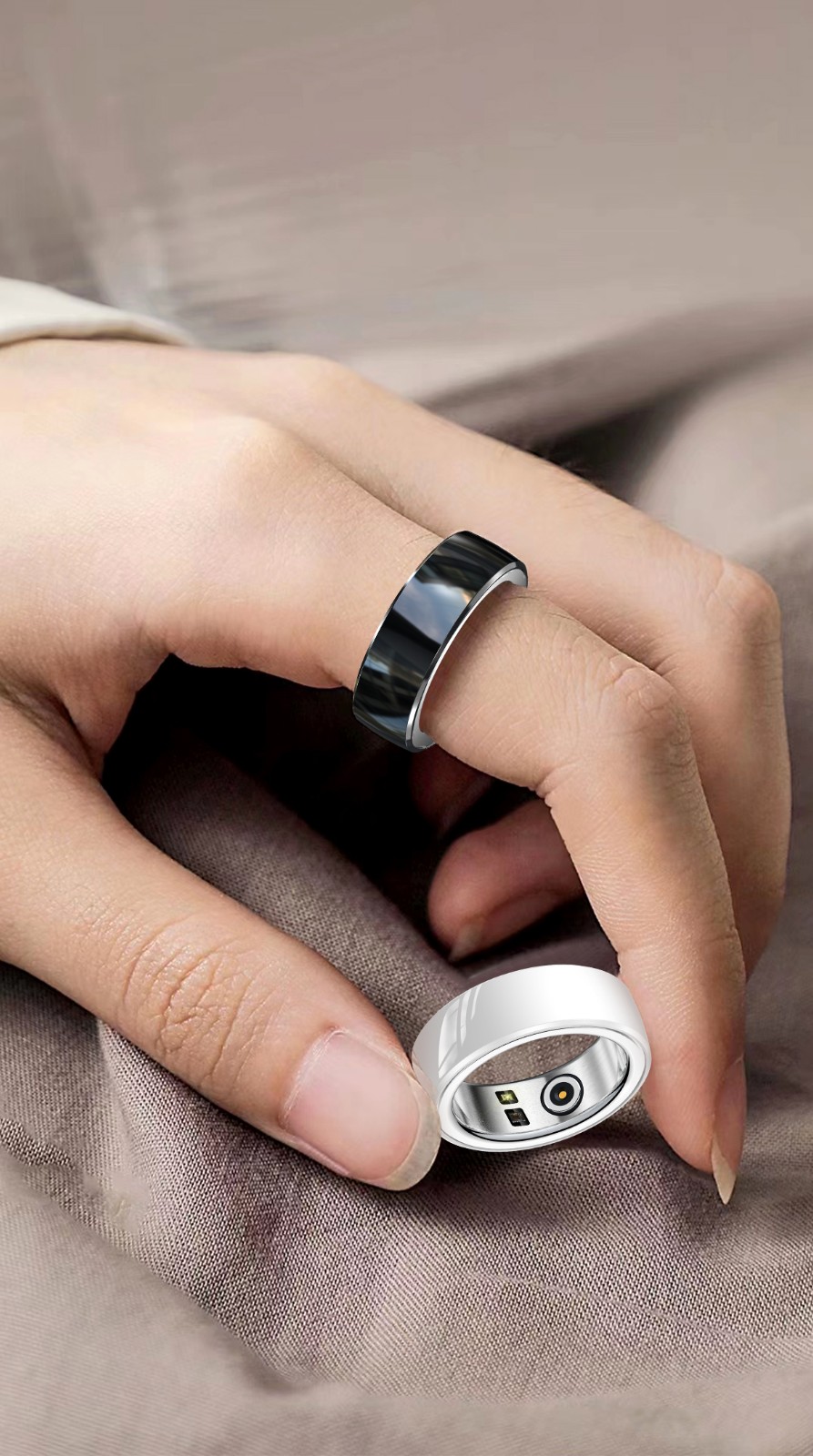
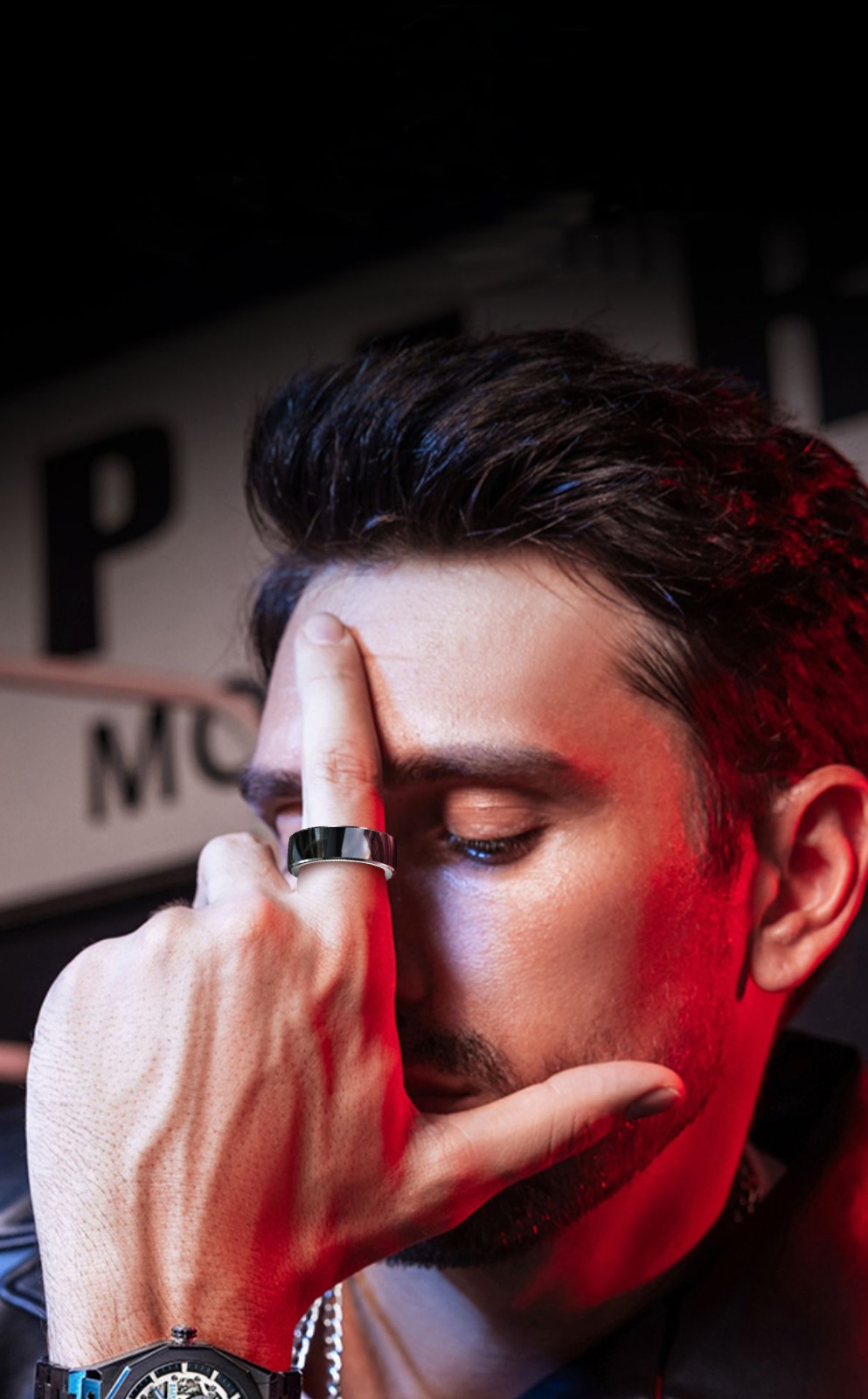
Smart Ring | Heart Rate, SpO2 & Sleep Tracker | Black & White |...
C559679235F942B4828FECF09FD13387
Your Health, Tracked Effortlessly — No Charging Breaks
Key Features
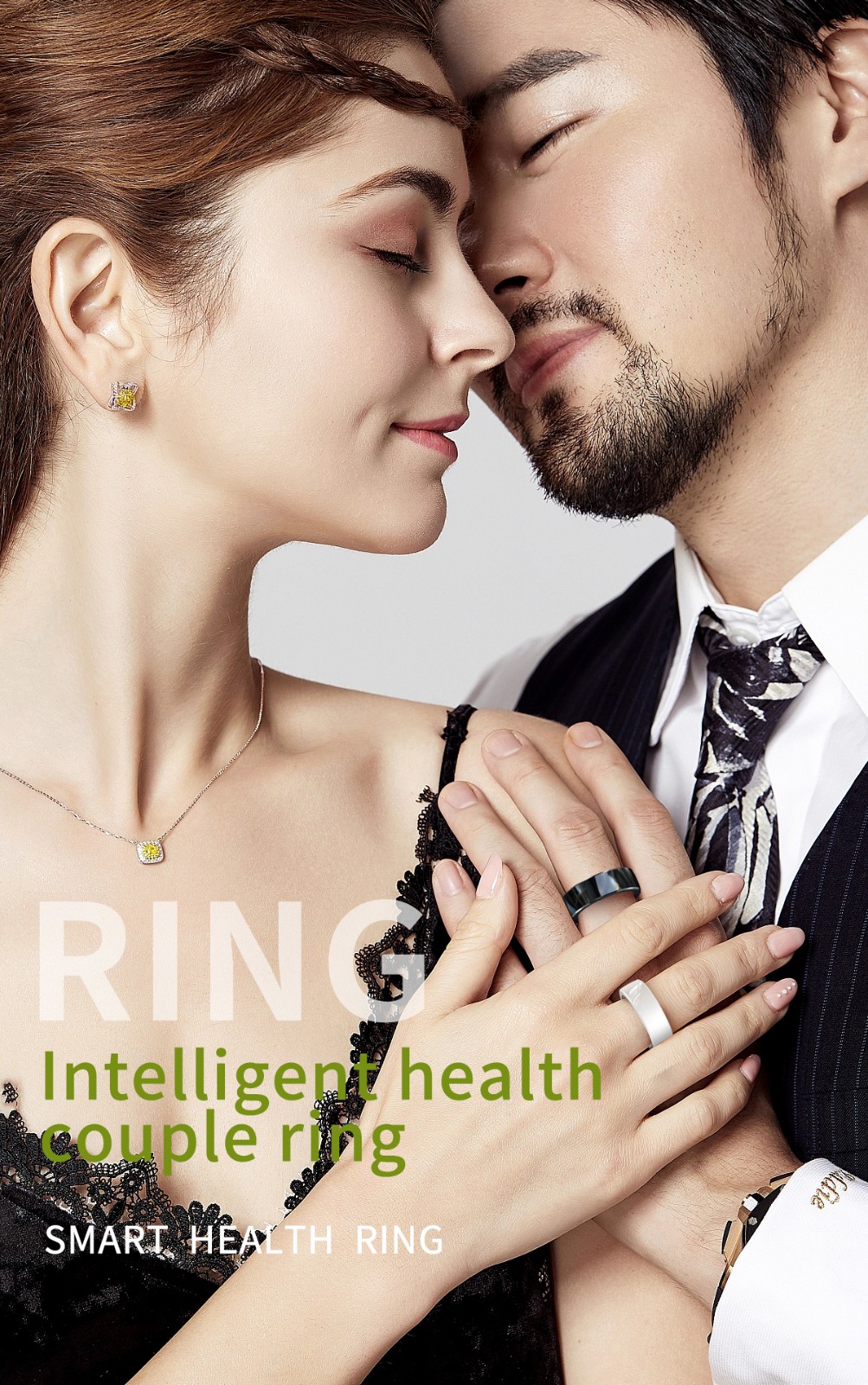
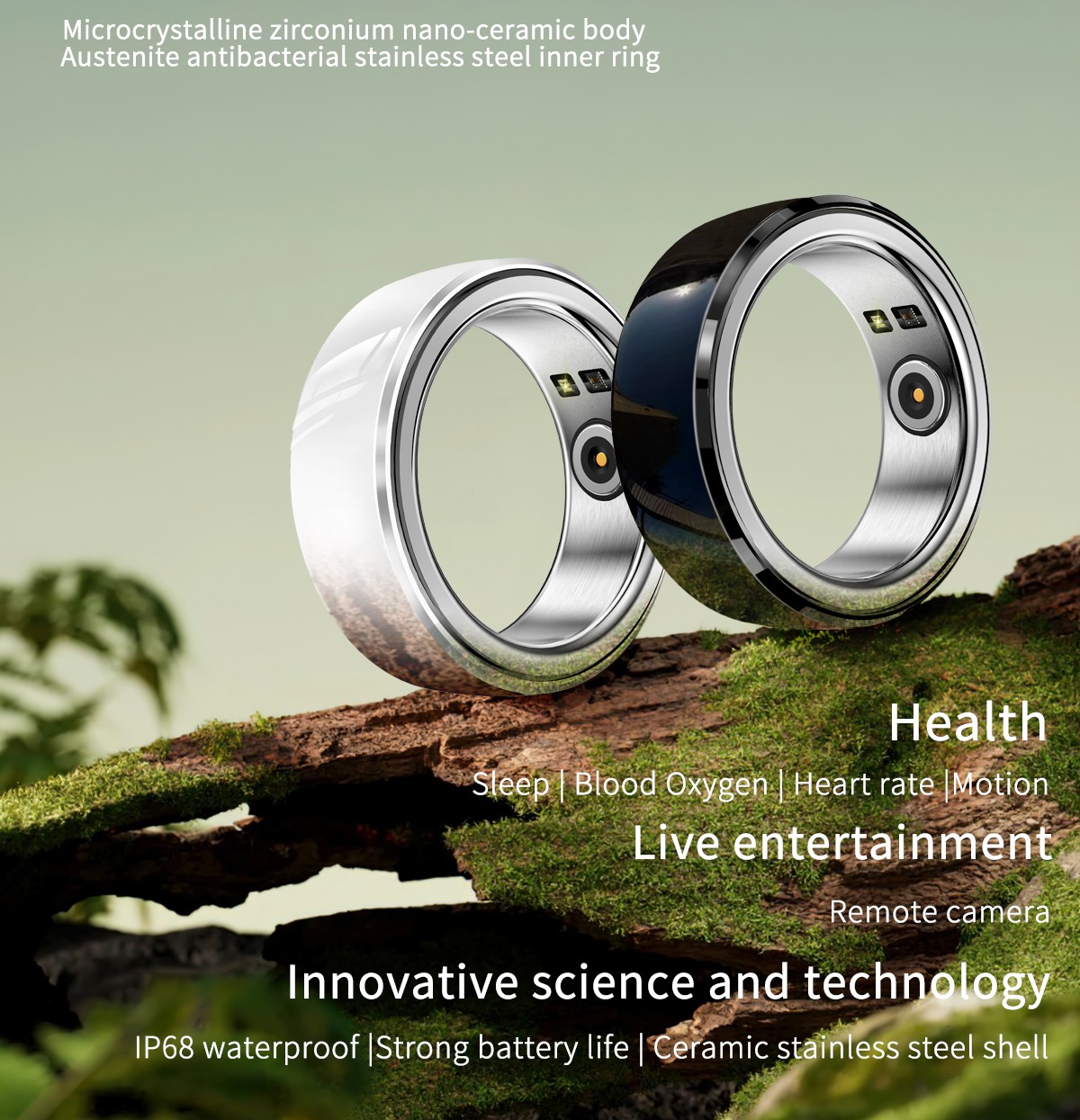
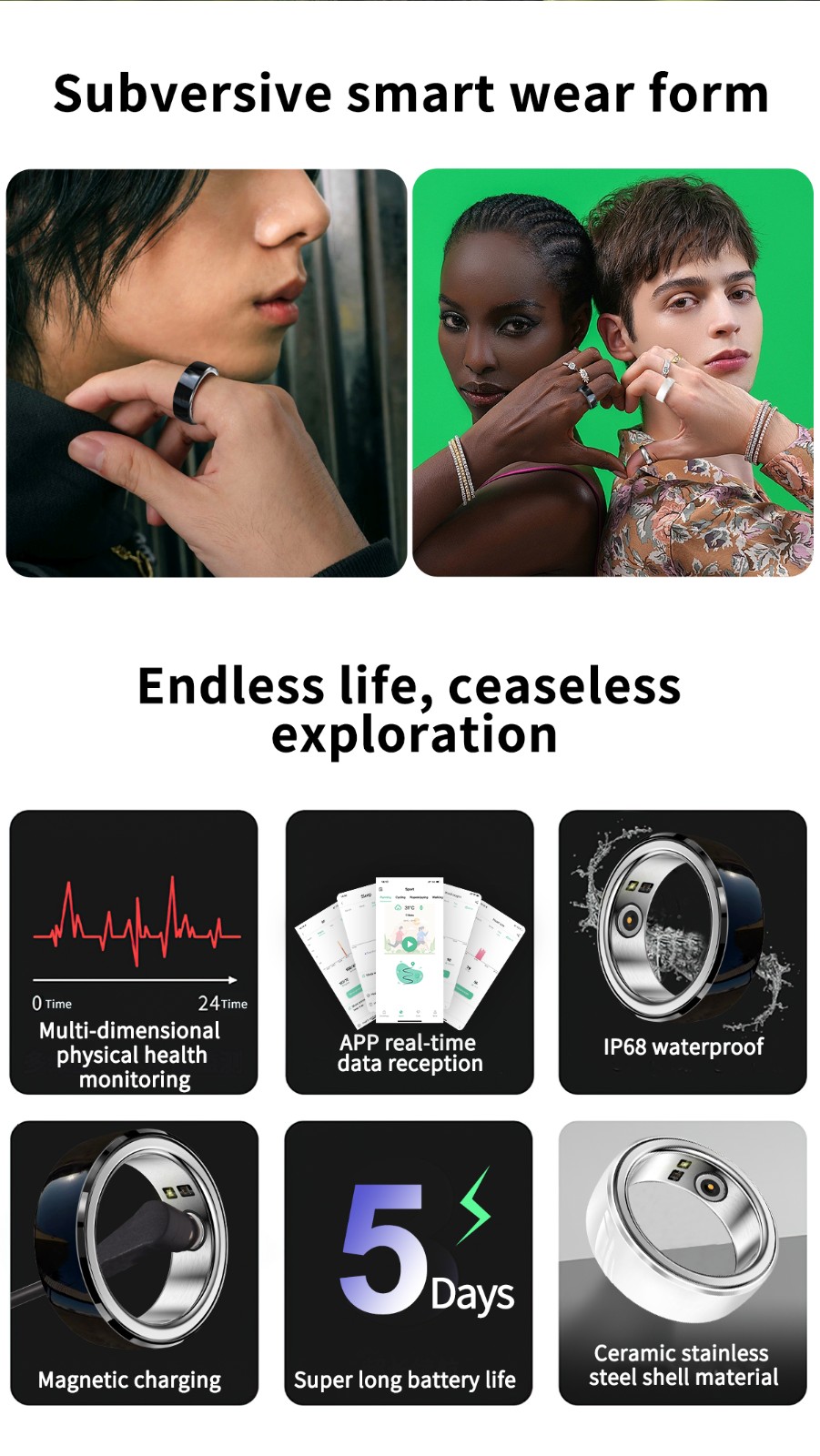
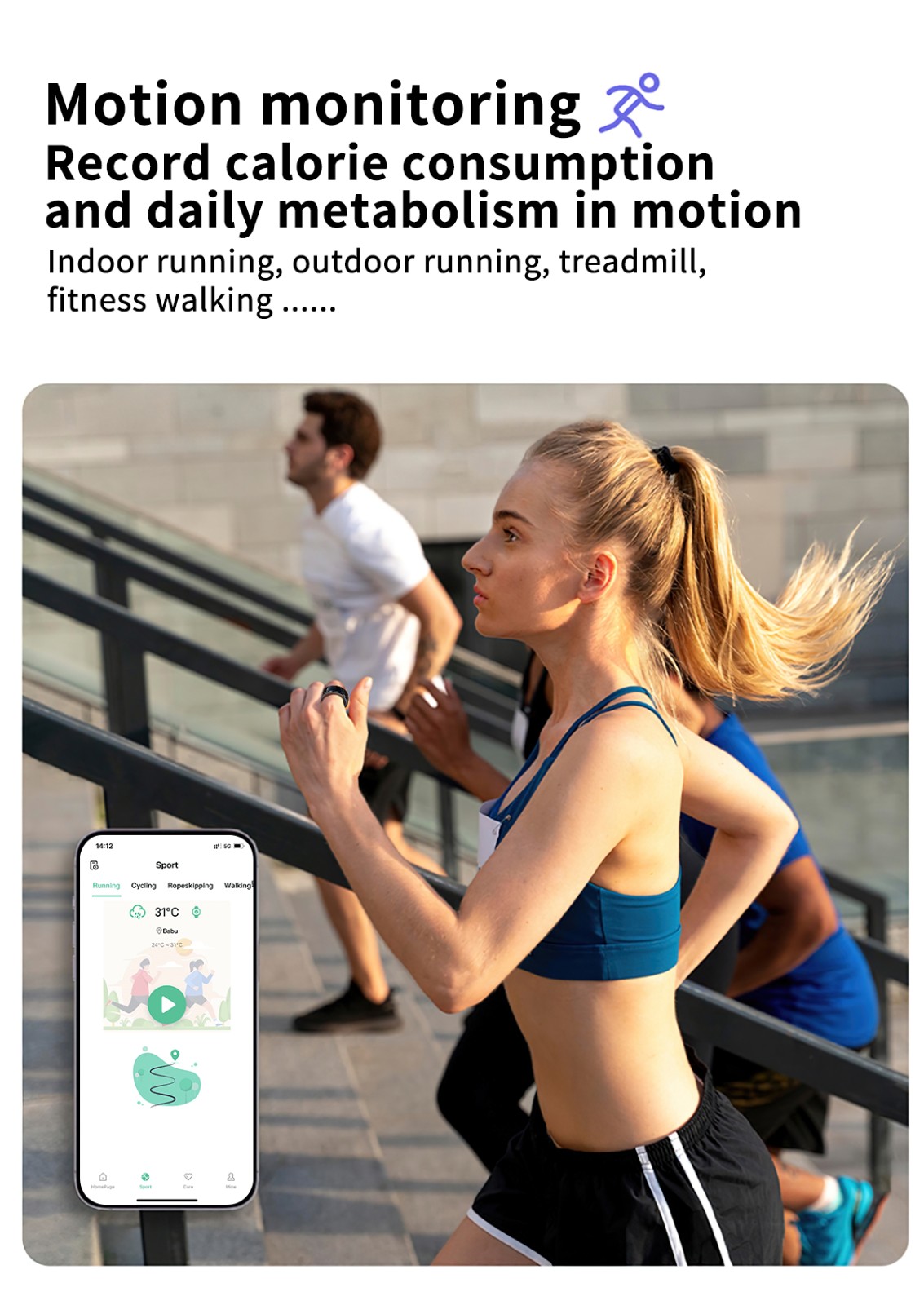
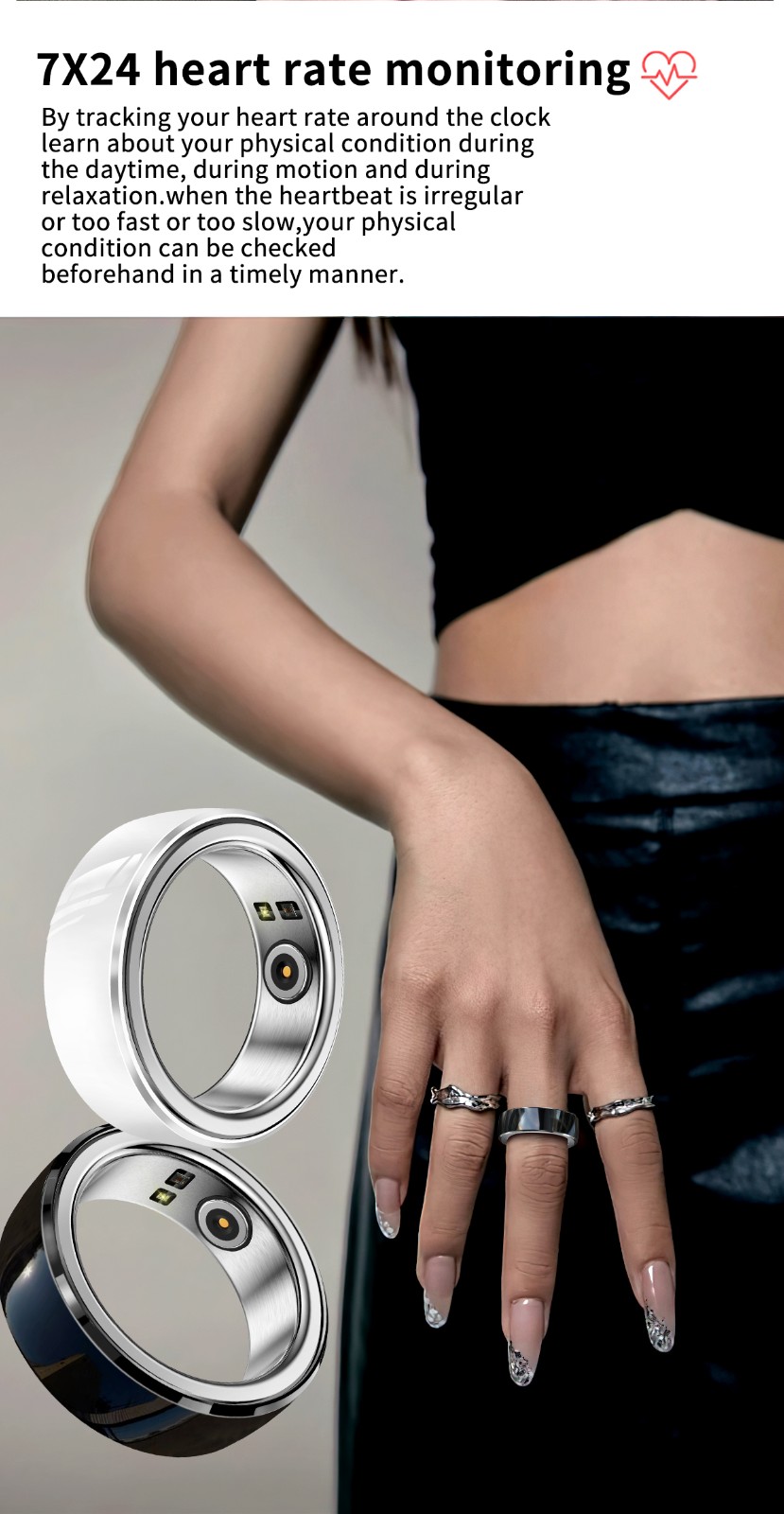
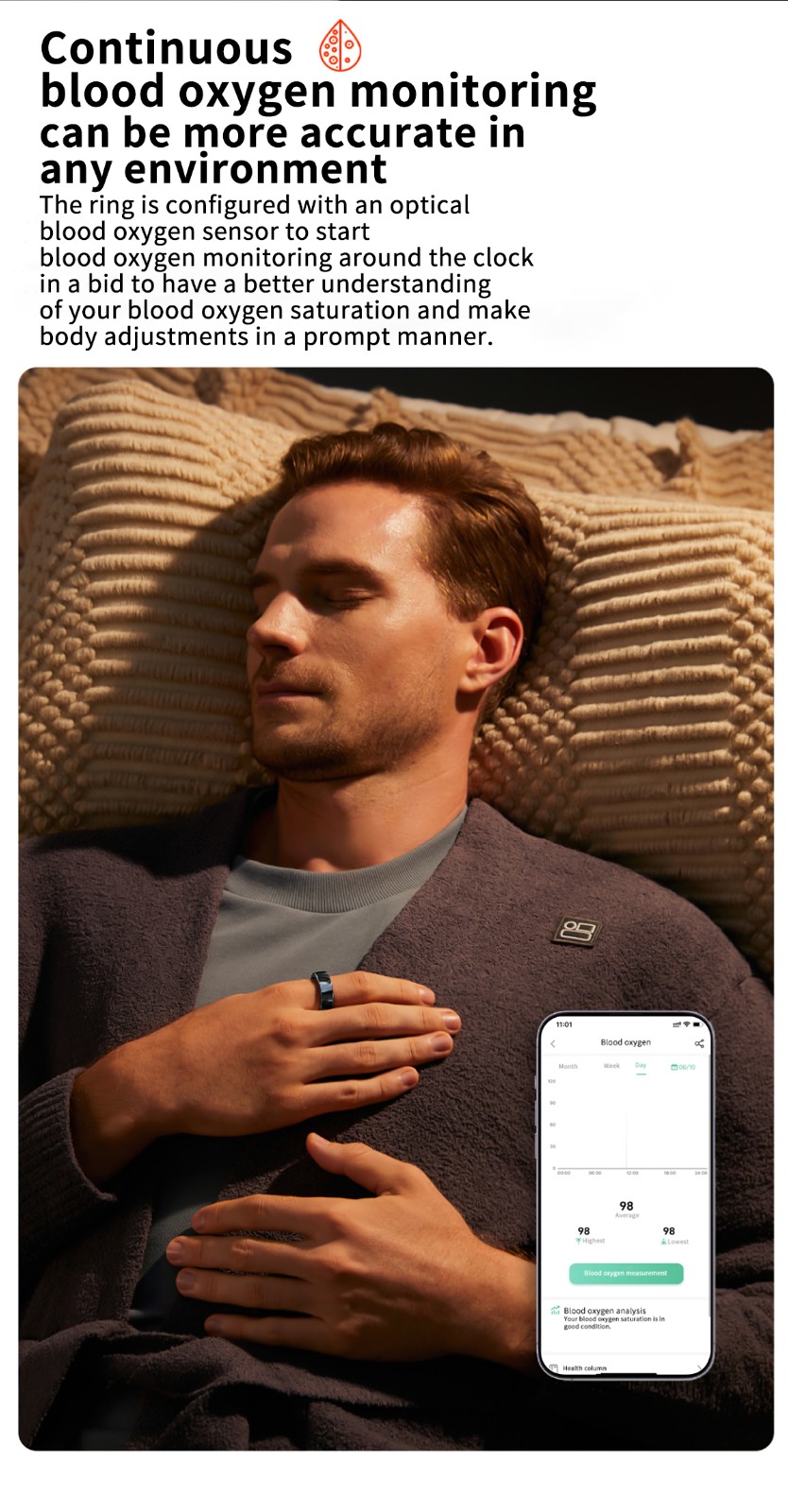
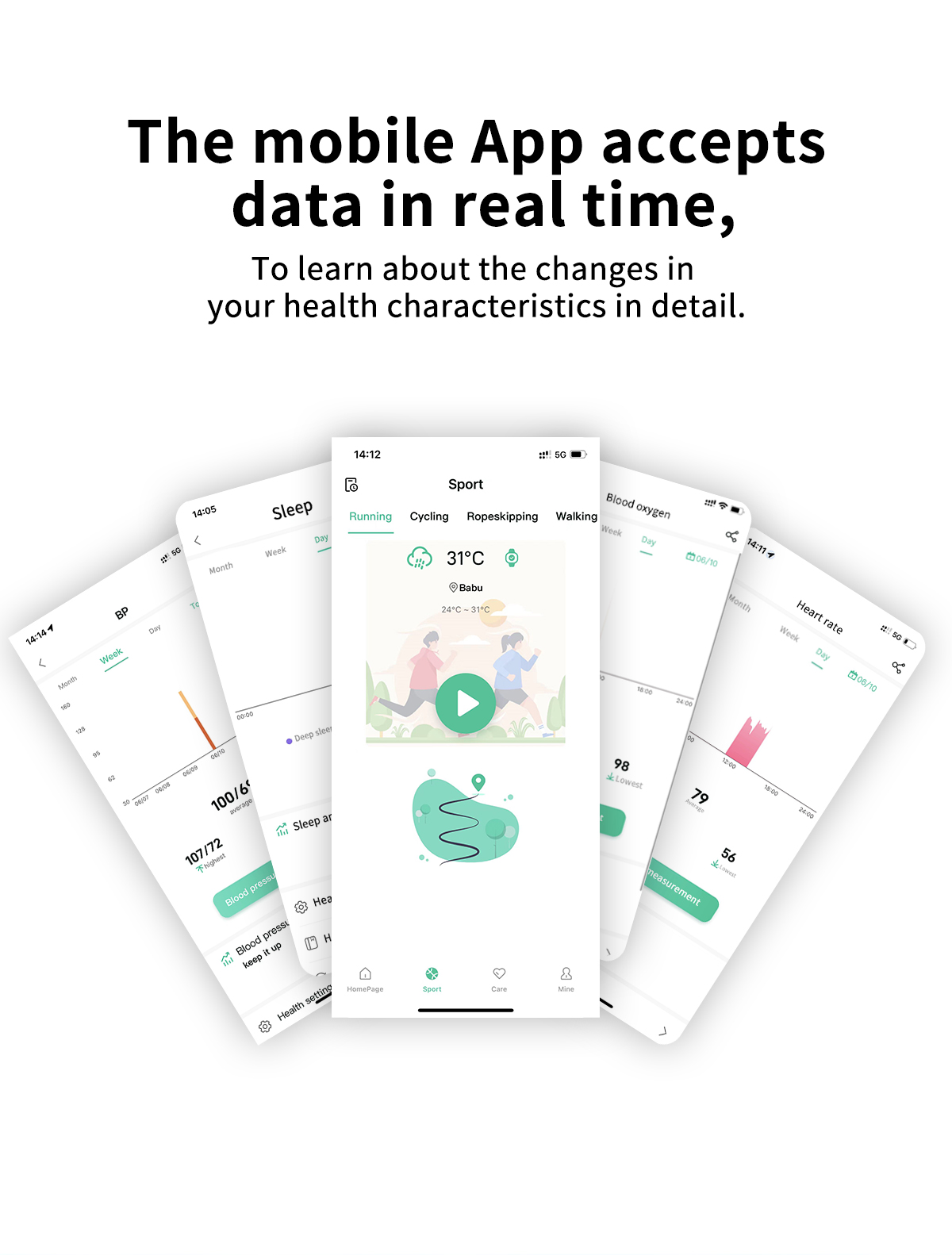
- Heart rate monitoring — continuous tracking throughout the day and night
- Blood oxygen (SpO2) sensing — keep an eye on your oxygen saturation levels at a glance
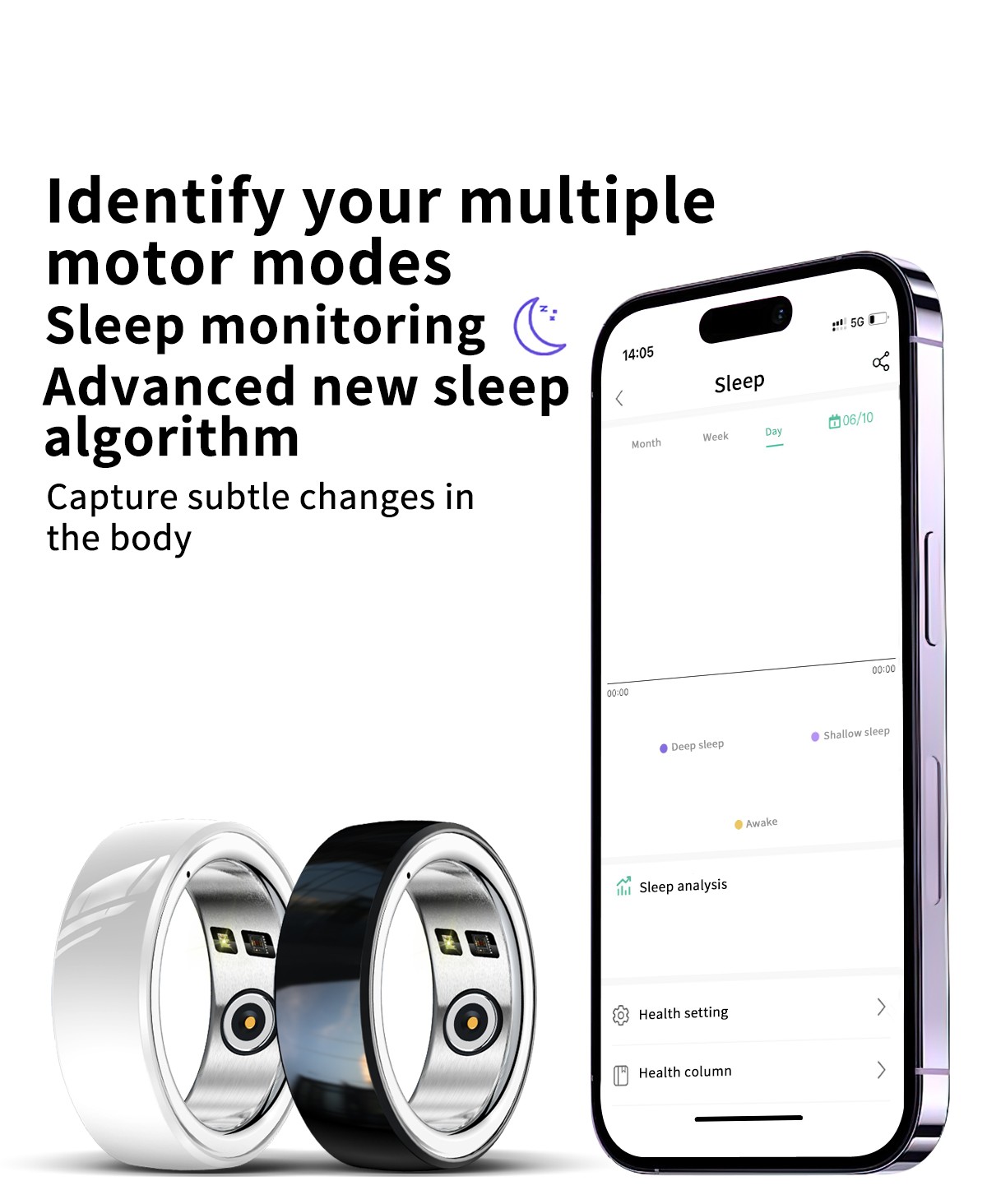
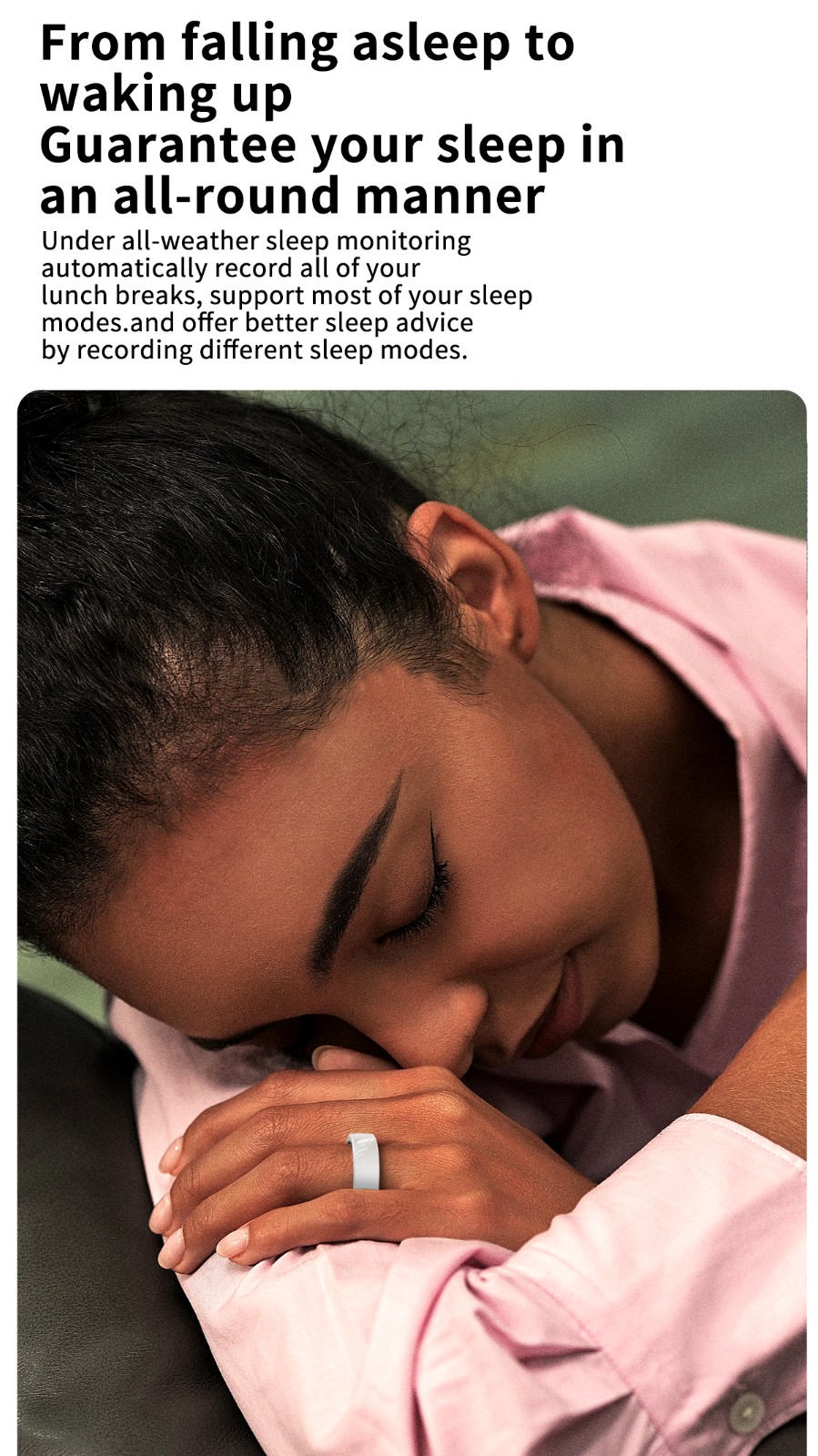
- Sleep tracking — detailed insights into your sleep stages and quality
- Step counter (pedometer) — track your daily movement and activity goals
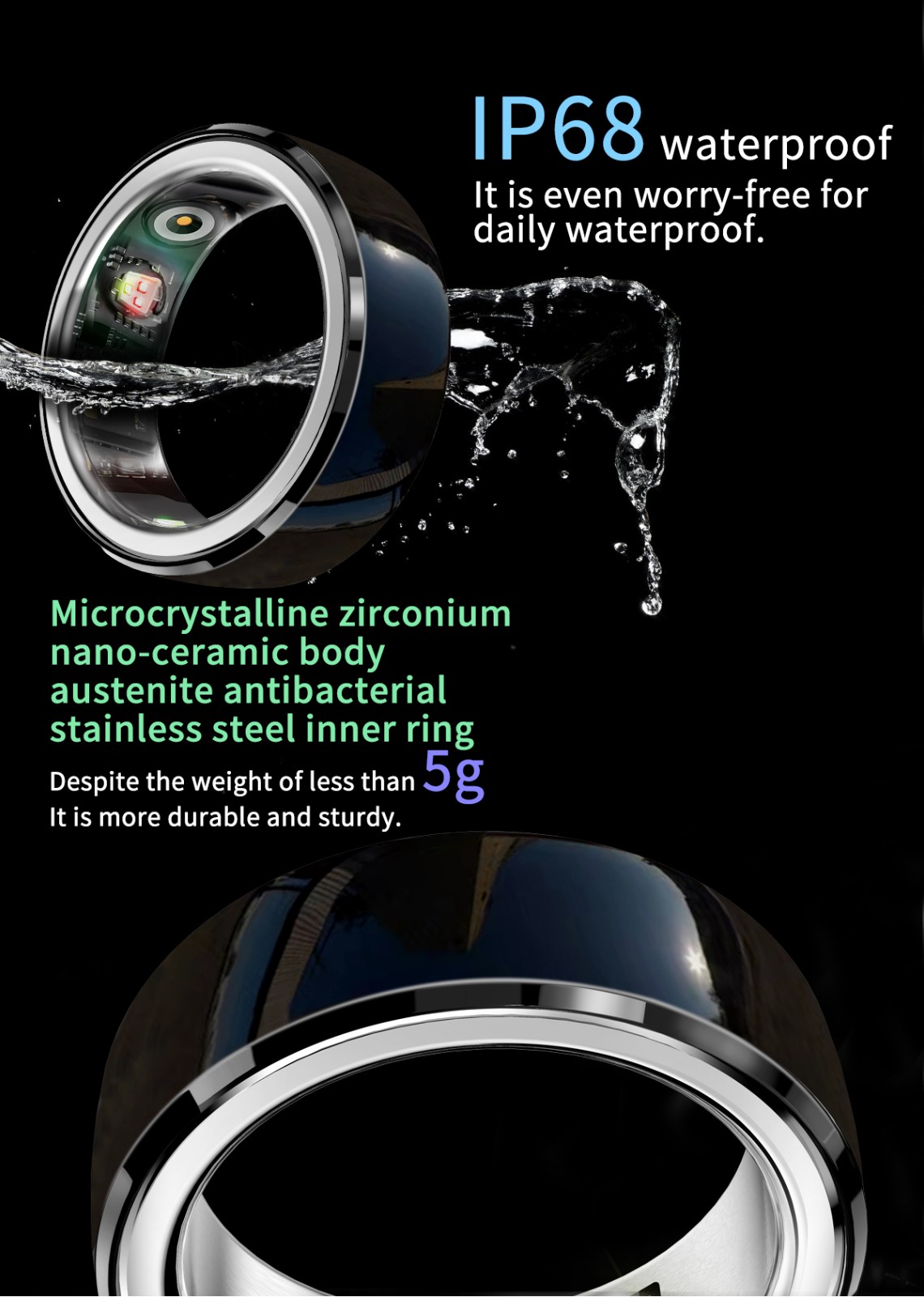
- Lightweight titanium-style band — barely-there comfort you'll forget you're wearing
- Available in Black & White — two sizes (18mm & 20mm) for a precise fit
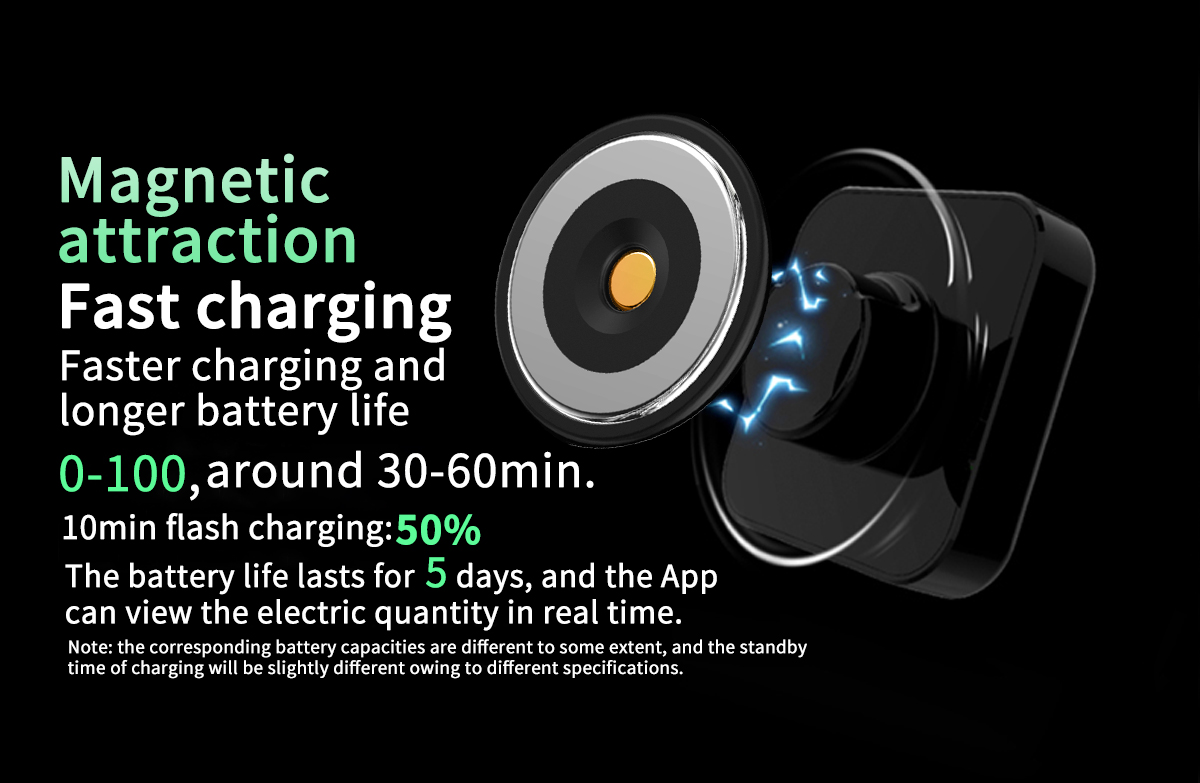
- Wireless charging — powered by Siyuan SY8602 chip for efficient top-ups
⭐ Loved by our customers — see reviews below
Technical Specs
- Chipset: NORDIC NRF52832
- Charging chip: Siyuan SY8602
- Acceleration sensor: QMA6100P
- Battery: 18mAh, 3.7/4.2V lithium
- Colours: Black, White
- Sizes: 18mm, 20mm

Explore more in our Health & Wellness UK | The Gentleman UK | The Gift Oracle
Free UK delivery on all orders. Order today.


Xiaomi Smart Ring – Heart Rate, SpO2 & Sleep Tracker | 5ATM Waterproof
2CB88D1A56BA499D88FCC5BA2E1DBC03
Track Your Wellbeing — Effortlessly, All Day Long
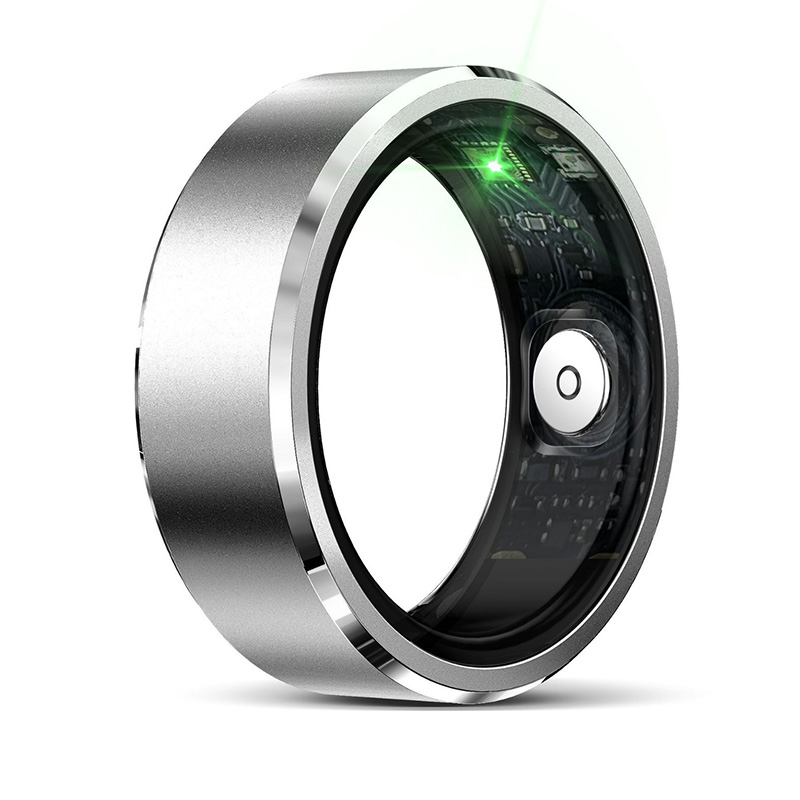
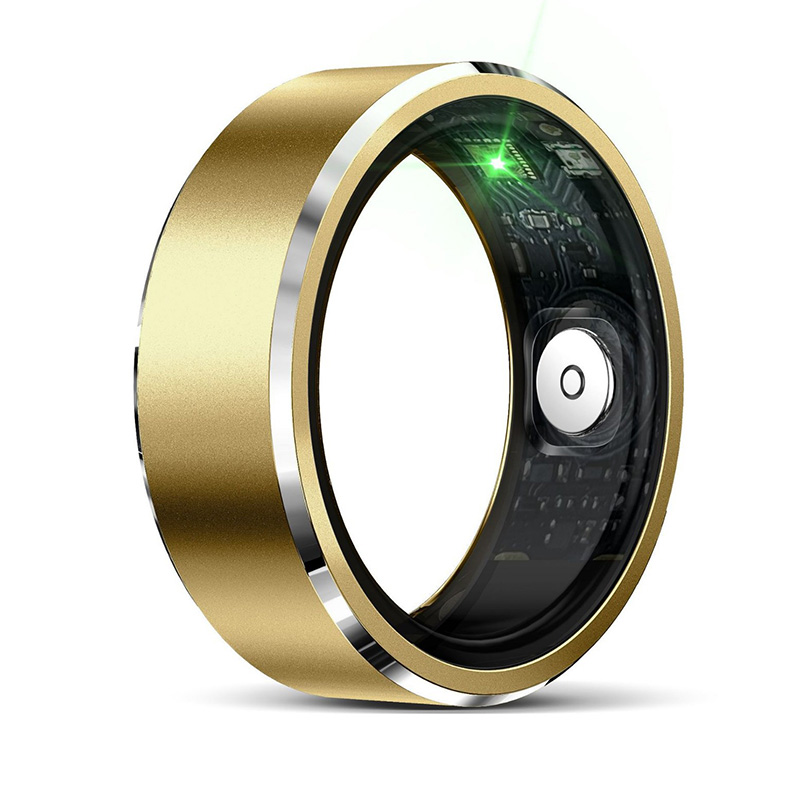
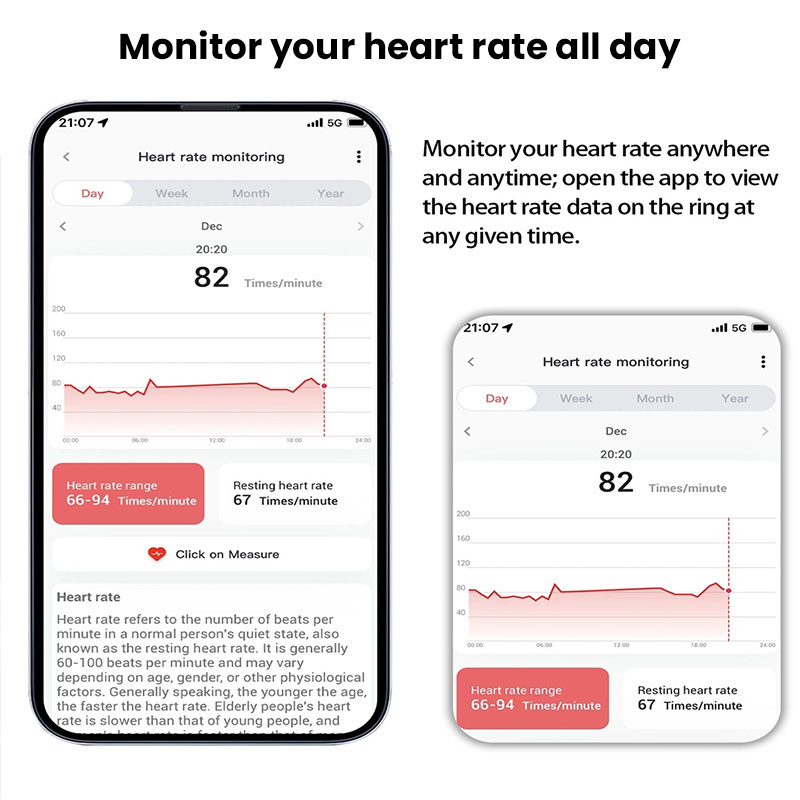
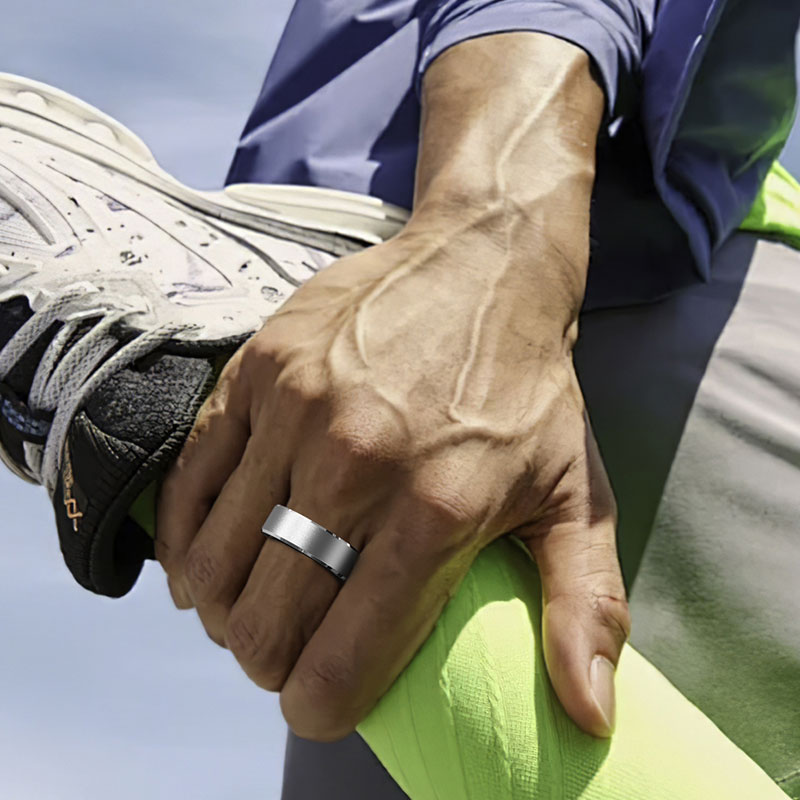
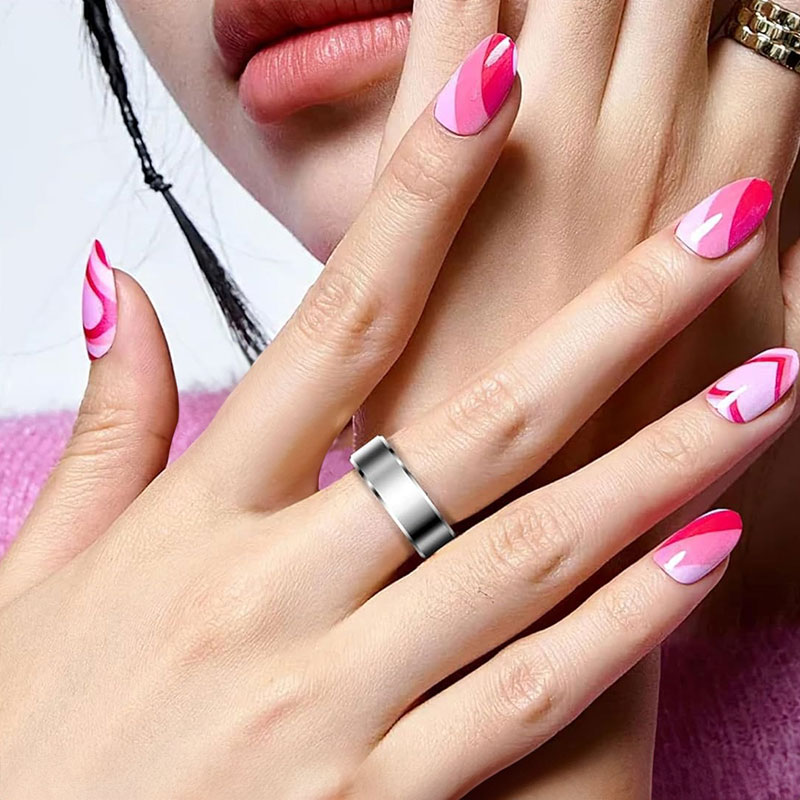
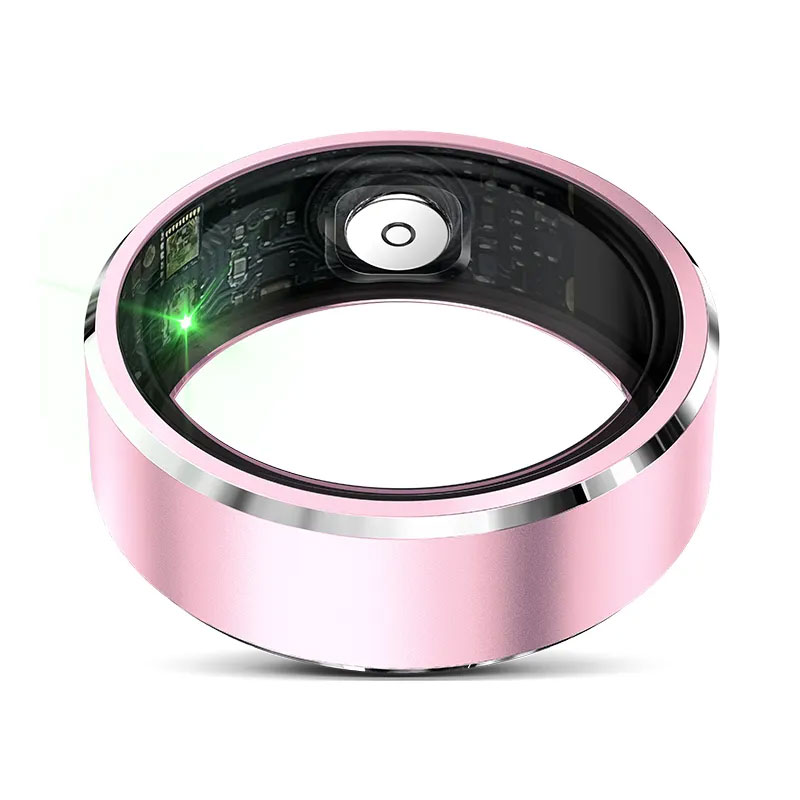
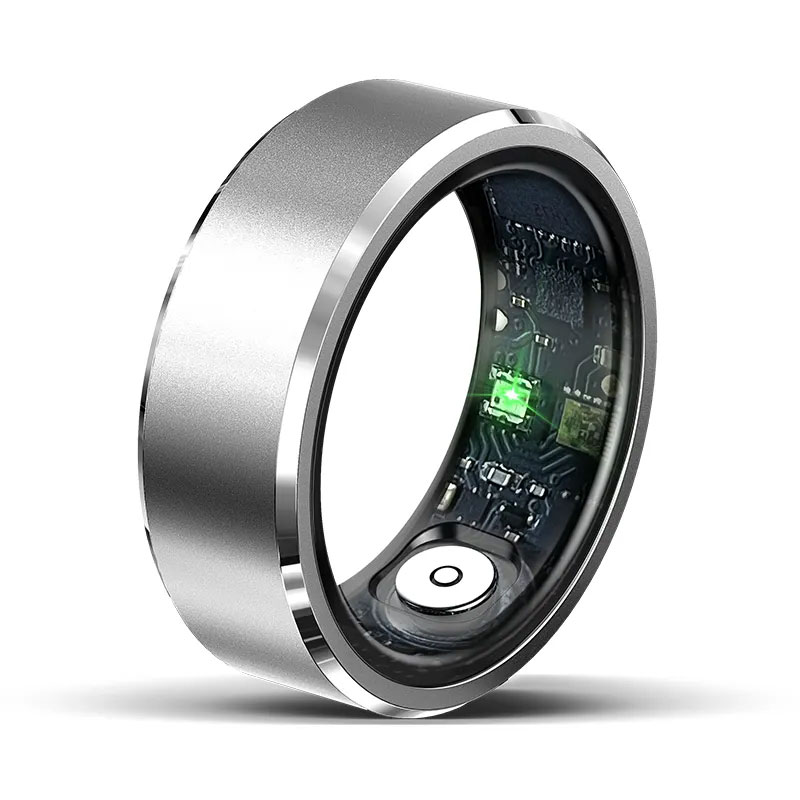
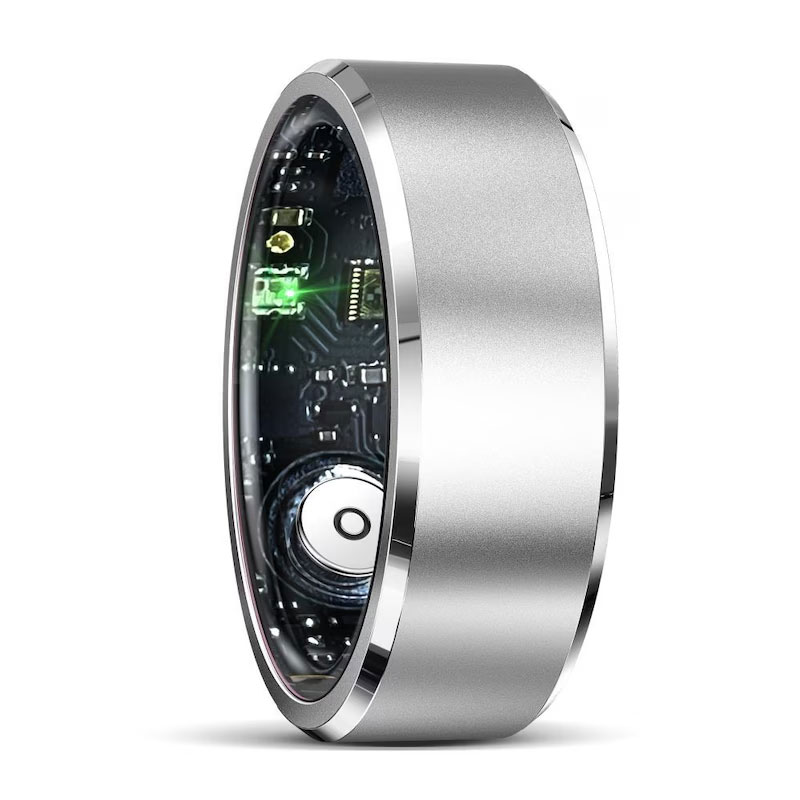
The Xiaomi Smart Ring brings intelligent health tracking to the most natural place on your body — your finger. Featherlight at just 6.8g and crafted from titanium alloy, it monitors your heart rate, blood oxygen (SpO2) and sleep stages continuously, without the bulk of a smartwatch or the distraction of a screen. Wear it swimming, in the shower or snorkelling — 5ATM waterproof to 50m means it goes wherever you go.
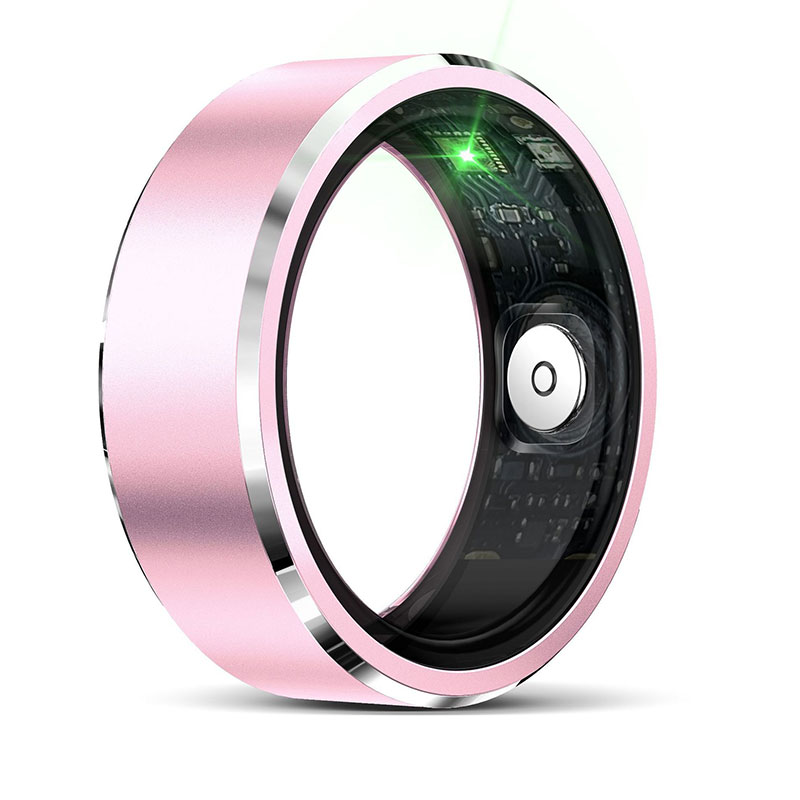
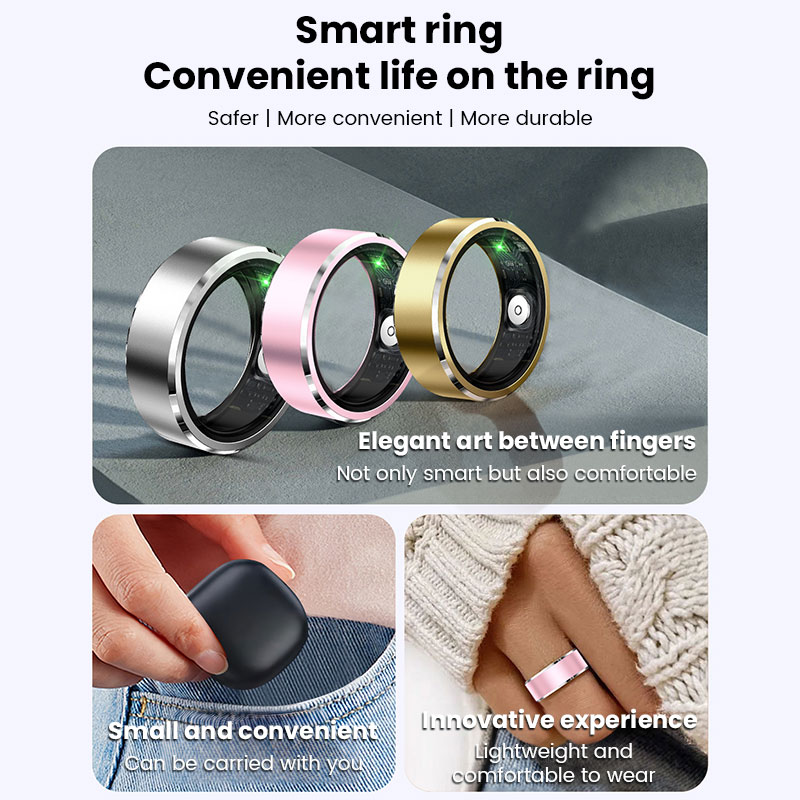
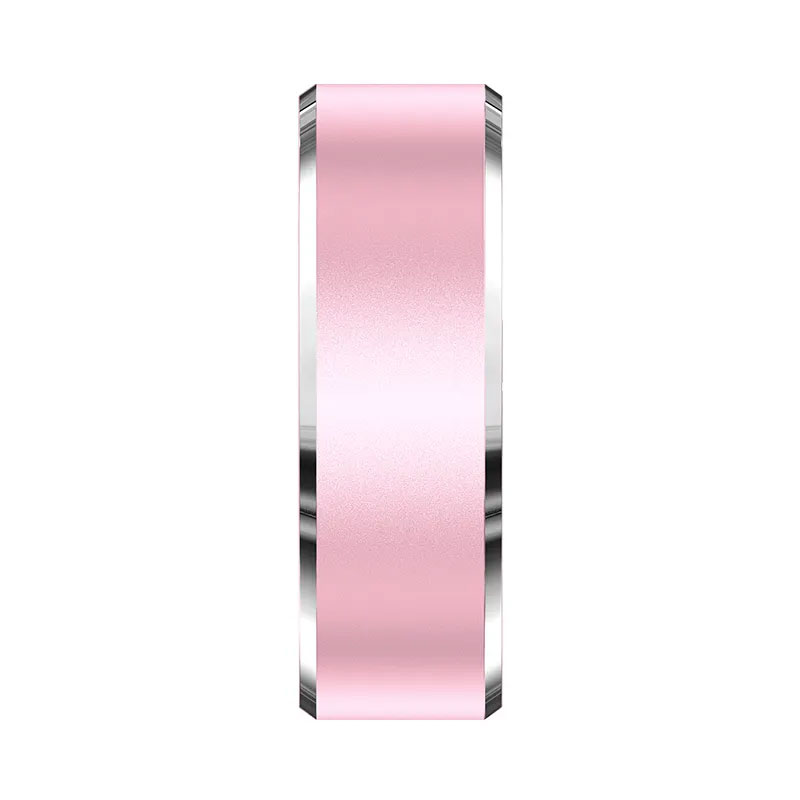
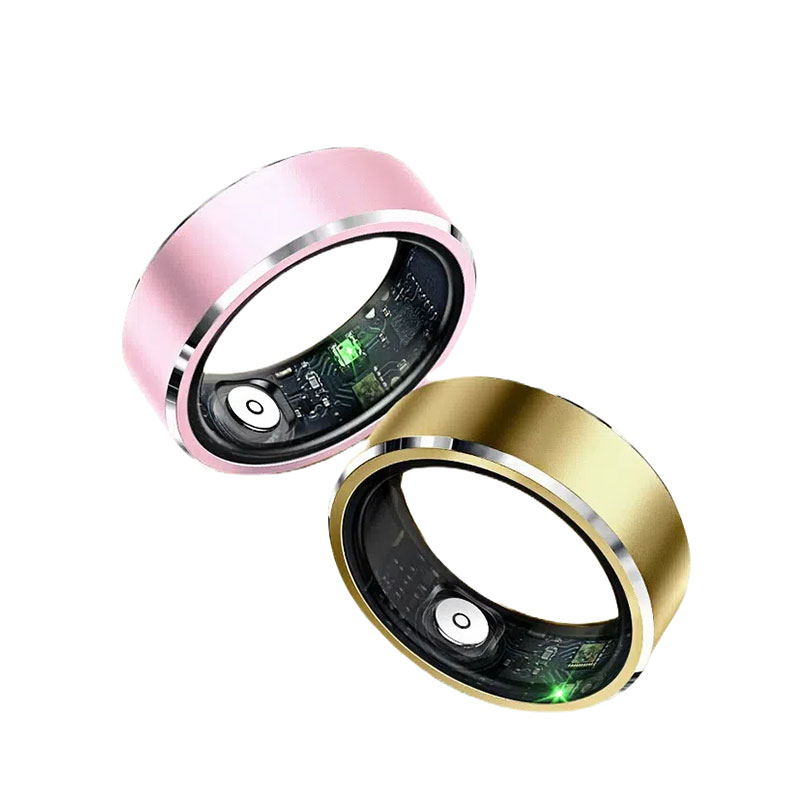
Available in Silver, Gold and Pink across sizes 8–12, it is a genuinely thoughtful gift for those who take their wellbeing seriously — and who appreciate technology that disappears into daily life.
Key Features
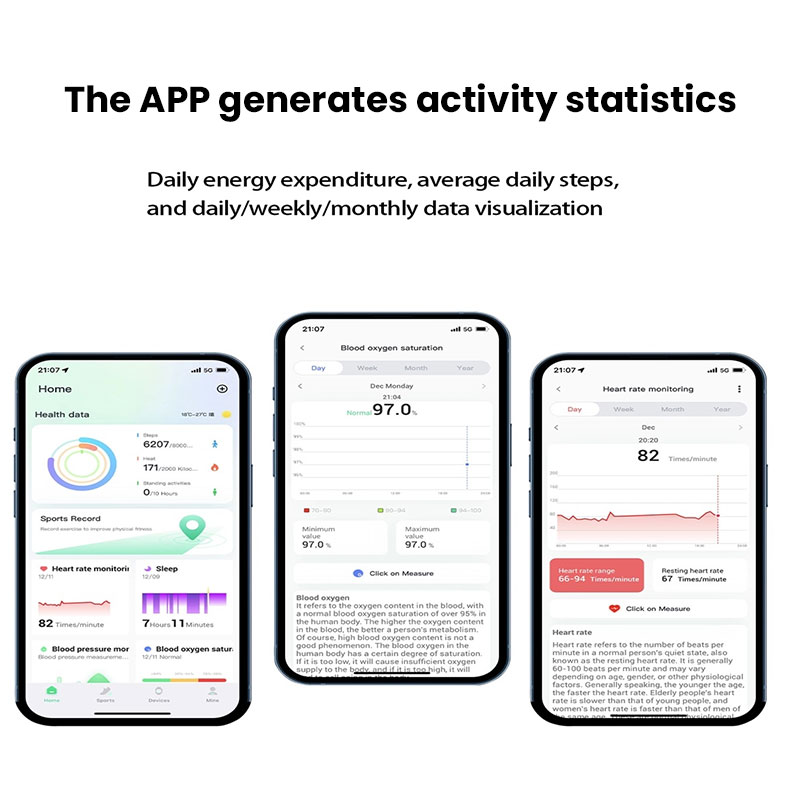
- Heart rate & SpO2 monitoring — continuous tracking of pulse and blood oxygen saturation
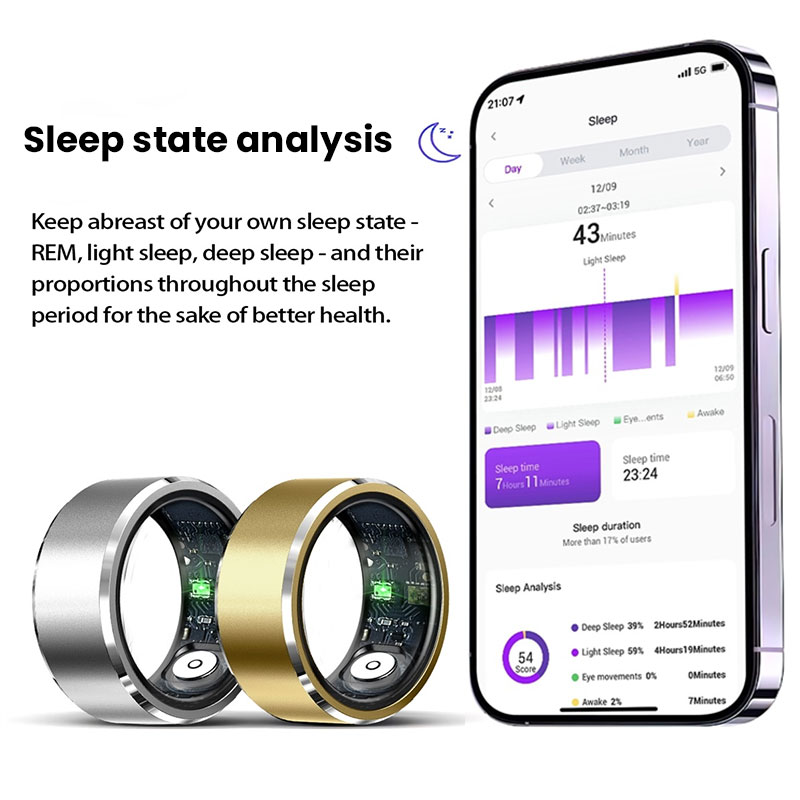
- Sleep tracking — detailed insights into sleep stages and overnight recovery
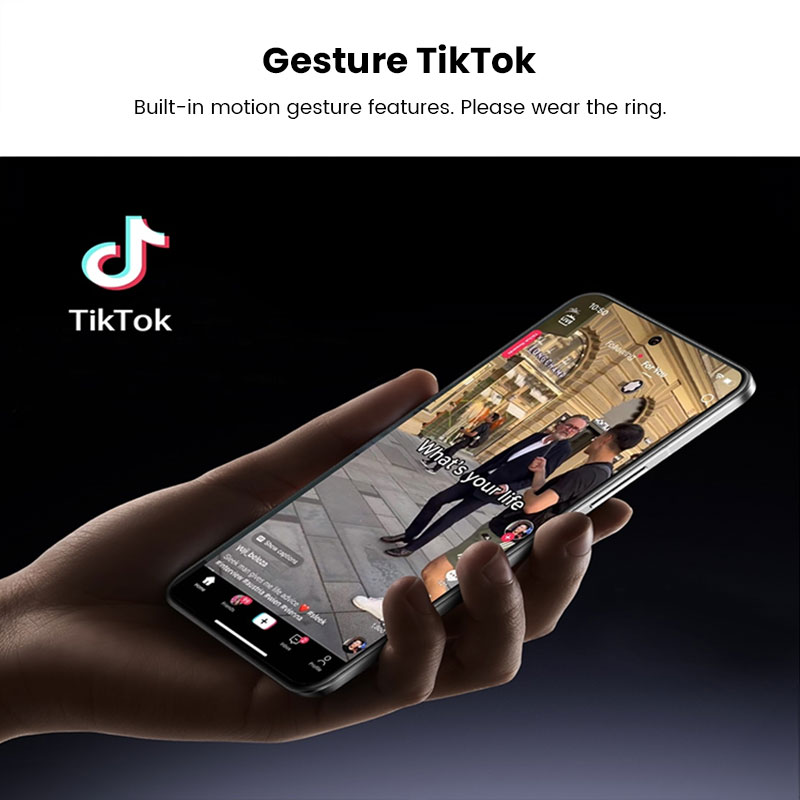
- Gesture-controlled TikTok & selfies — scroll and snap photos without touching your phone
- 5ATM waterproof — swim, shower or snorkel with confidence (rated to 50m depth)
- Featherlight at 6.8g — titanium alloy build you’ll barely notice on your finger
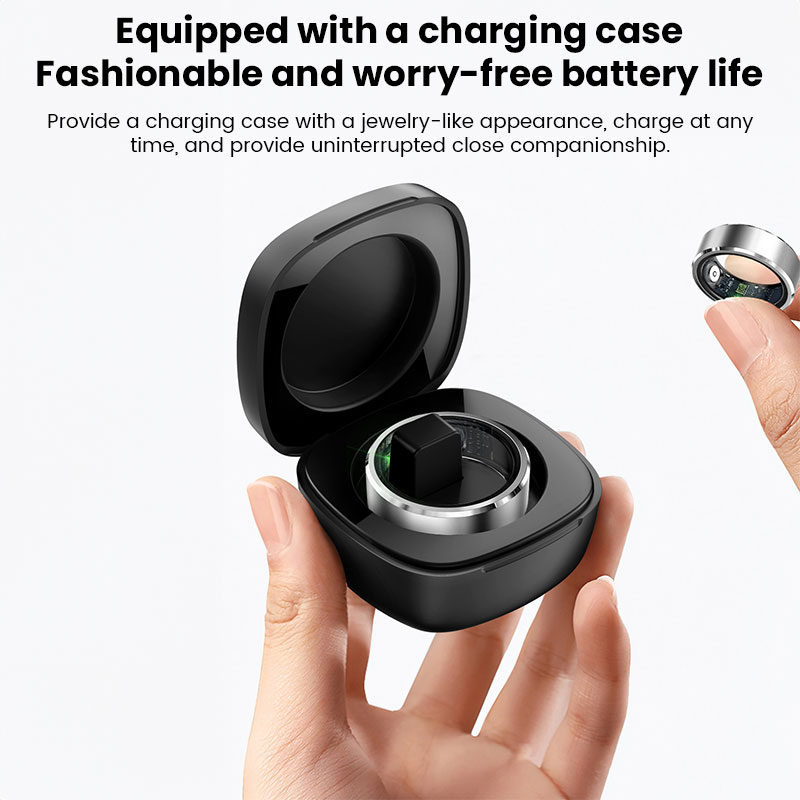
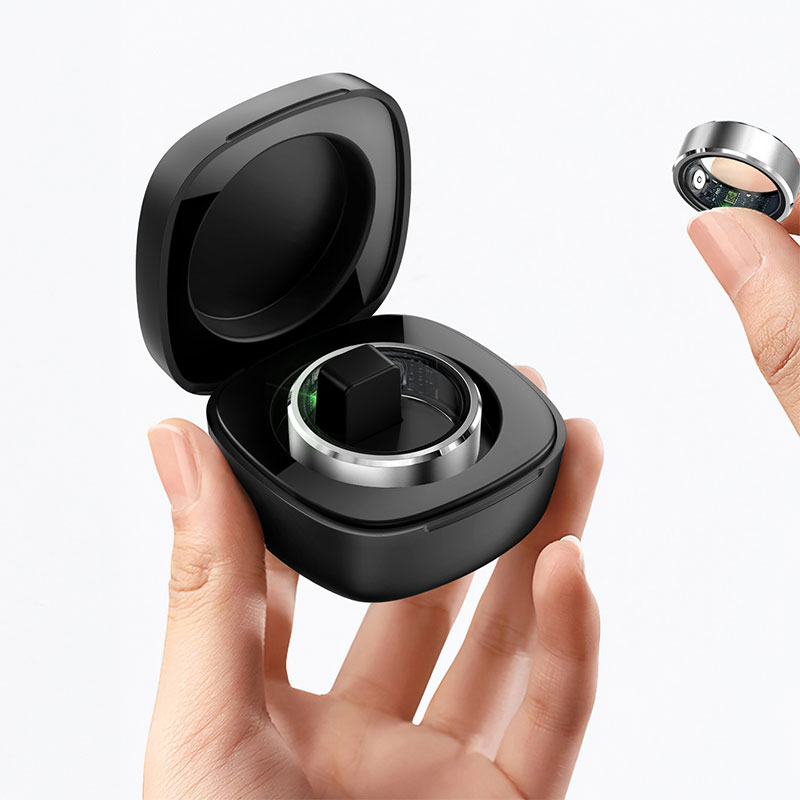
- 15-day standby battery — magnetic charging keeps you going all week and beyond
- Multiple sports modes — tracks a wide range of activities automatically
- Bluetooth 5.1 — compatible with Android 6.0+ and iOS 11.0+
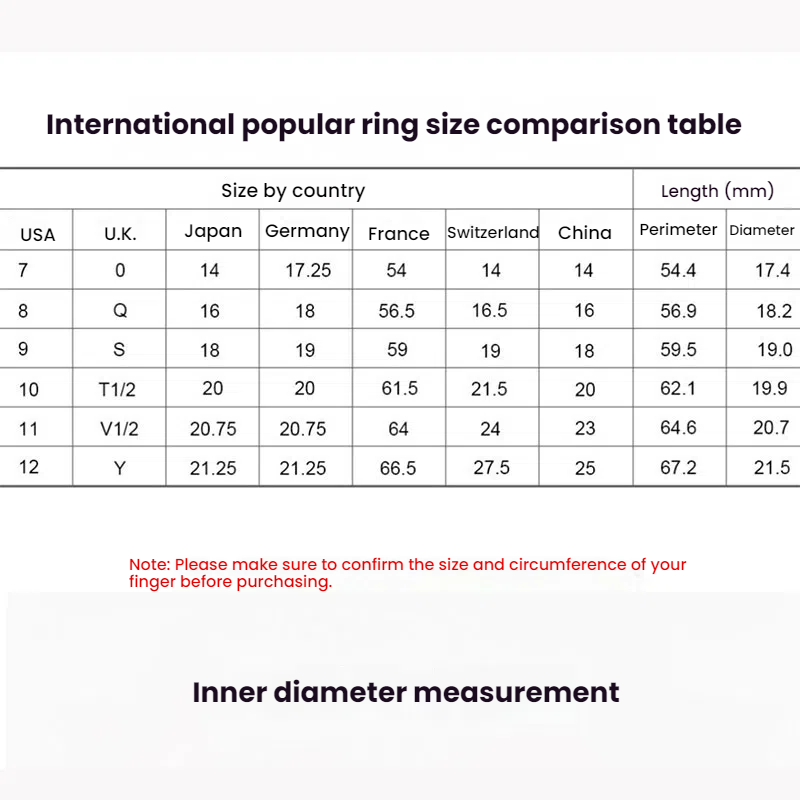
Size Guide
- Size 8 — 17.7mm inner diameter
- Size 9 — 18.9mm inner diameter
- Size 10 — 20.4mm inner diameter
- Size 11 — 21.0mm inner diameter
- Size 12 — 21.6mm inner diameter
Product Details
- Material: Titanium alloy with pouring glue technology
- Battery: 16mAh polymer pure cobalt battery
- Charging: Magnetic charging cable (included)
- Colours: Silver | Gold | Pink
- App: Multilingual support (scan QR code in manual to download)
- In the box: 1 × Smart Ring, 1 × Charging Cable, 1 × Manual
🚚 FREE UK Standard Shipping · Tracked delivery to your door (Estimated 5–15 days)
✨ Looking for a tech wellness gift? Try our Gift Oracle for a personalised recommendation. Browse our full Rings collection or discover more gifting inspiration in the Memoriex Universe.


Titanium Smart Ring – SpO2, Heart Rate & Sleep Tracker | Waterproof...
1DE6F6D2D64C4308944AAD71BE911EBF
Wear Your Wellness — Beautifully, All Day Long
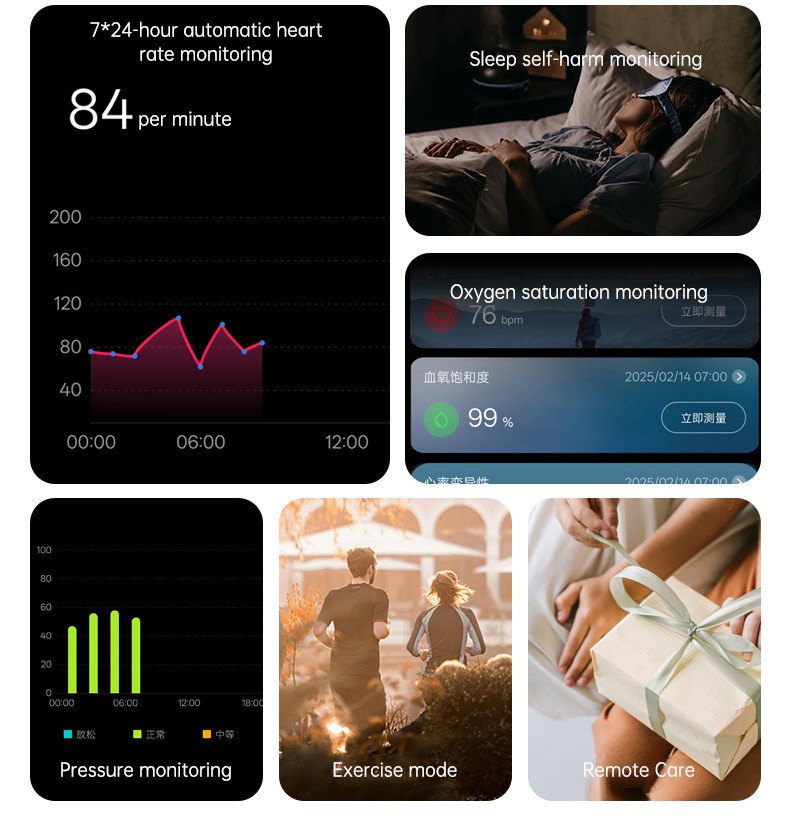
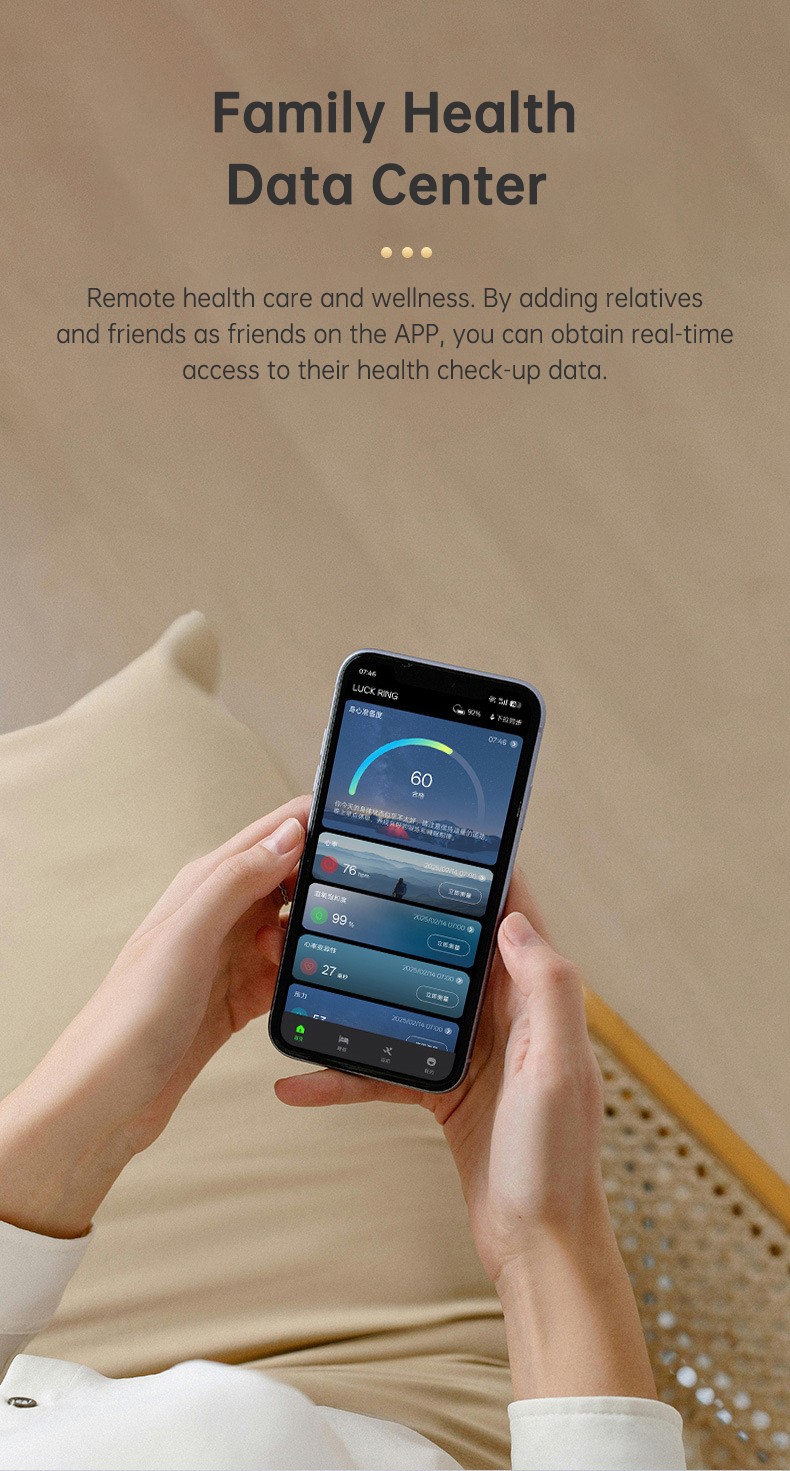
The future of health tracking, worn as jewellery. The Titanium Smart Ring monitors your SpO2, heart rate, sleep quality and daily steps — all from a sleek, lightweight ring that weighs just 3.7g and looks nothing like a fitness tracker. No screen. No bulk. Just quiet, continuous intelligence on your finger.
Available in Stripe Gold, Rose Gold and Black across sizes 6–13, it is a genuinely thoughtful gift for those who take their wellbeing seriously — without compromising on style.
Key Features
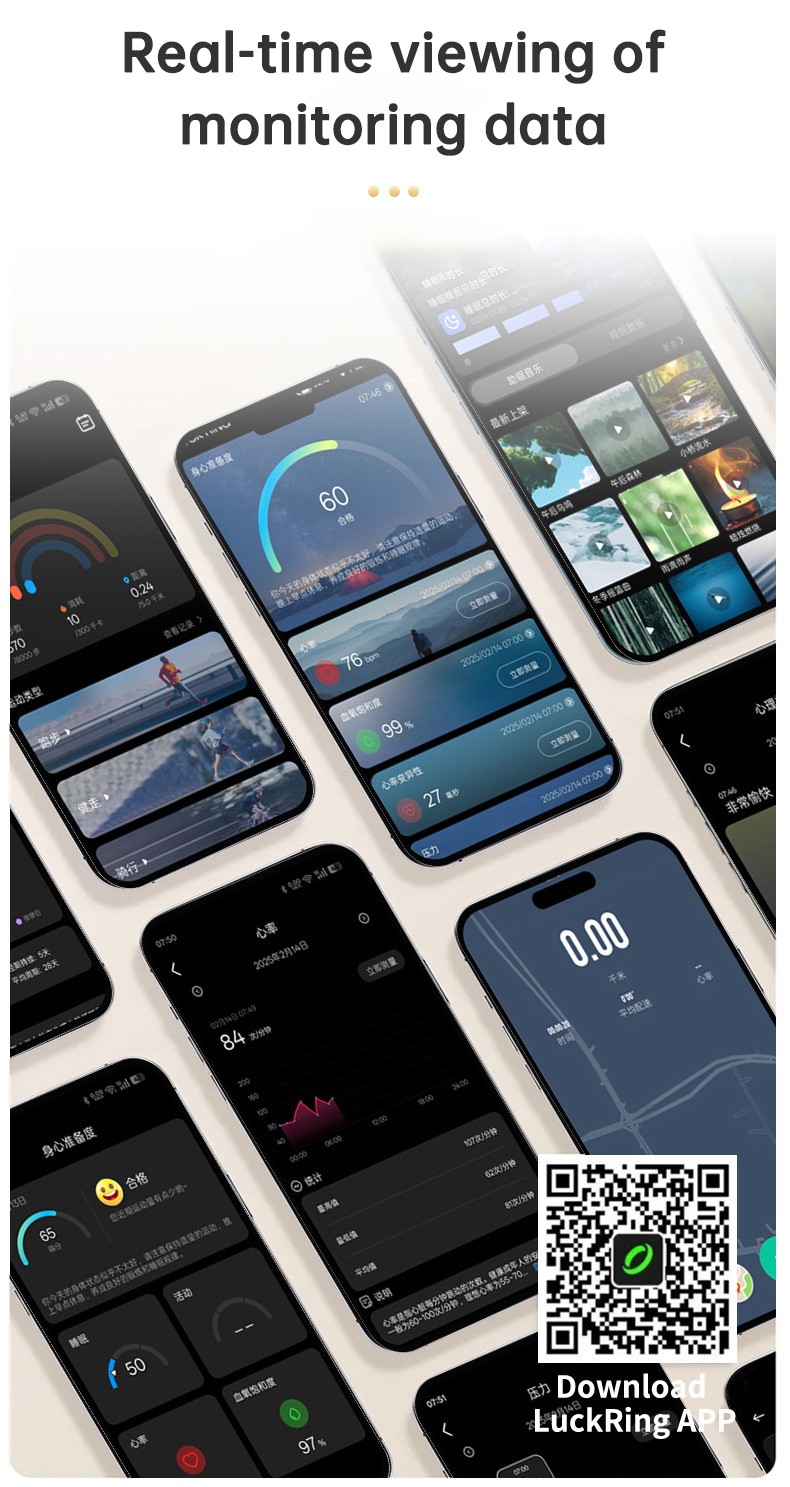
- SpO2 & heart rate sensing — continuous monitoring of oxygen saturation and pulse throughout the day
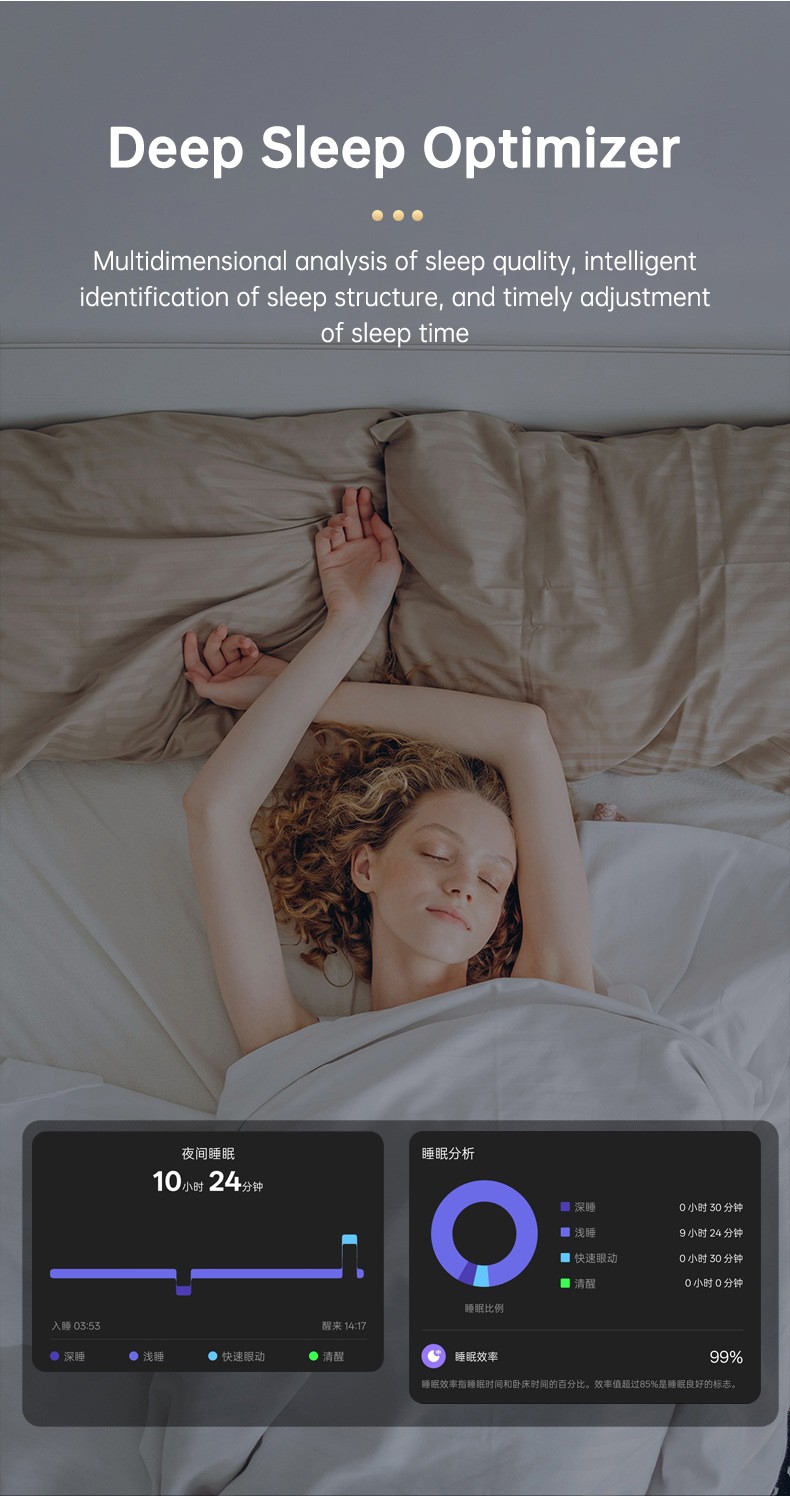
- Sleep tracking — detailed overnight insights to help you understand and improve your rest
- Step counting — track daily movement and stay on top of activity goals
- Waterproof titanium steel build — durable, lightweight at just 3.7g, comfortable for all-day wear
- Bluetooth 5.2 — seamless pairing with Android and iOS devices
- 18mAh battery with magnetic charging case — keeps you going without interruption
- Unisex design — Stripe Gold, Rose Gold and Black, sizes 6–13
Size Guide
| US Size | UK Size | Diameter (mm) | Circumference (mm) |
|---|---|---|---|
| 5 | J½ | 15.7 | 49.3 |
| 6 | L½ | 16.5 | 51.8 |
| 7 | O | 17.3 | 54.4 |
| 8 | Q | 18.1 | 56.9 |
| 9 | S | 18.9 | 59.5 |
| 10 | T½ | 19.8 | 62.1 |
| 11 | V½ | 20.6 | 64.6 |
| 12 | Y | 21.4 | 67.2 |
Product Details
- Material: Titanium steel
- Weight: 3.7g
- Battery: 18mAh with magnetic charging case
- Bluetooth: 5.2
- Compatibility: Android & iOS
- Colours: Stripe Gold | Rose Gold | Black
- Sizes: 6–13
- In the box: 1 × Smart Ring, 1 × Charging Cable/Case, 1 × Manual, 1 × Packaging Box





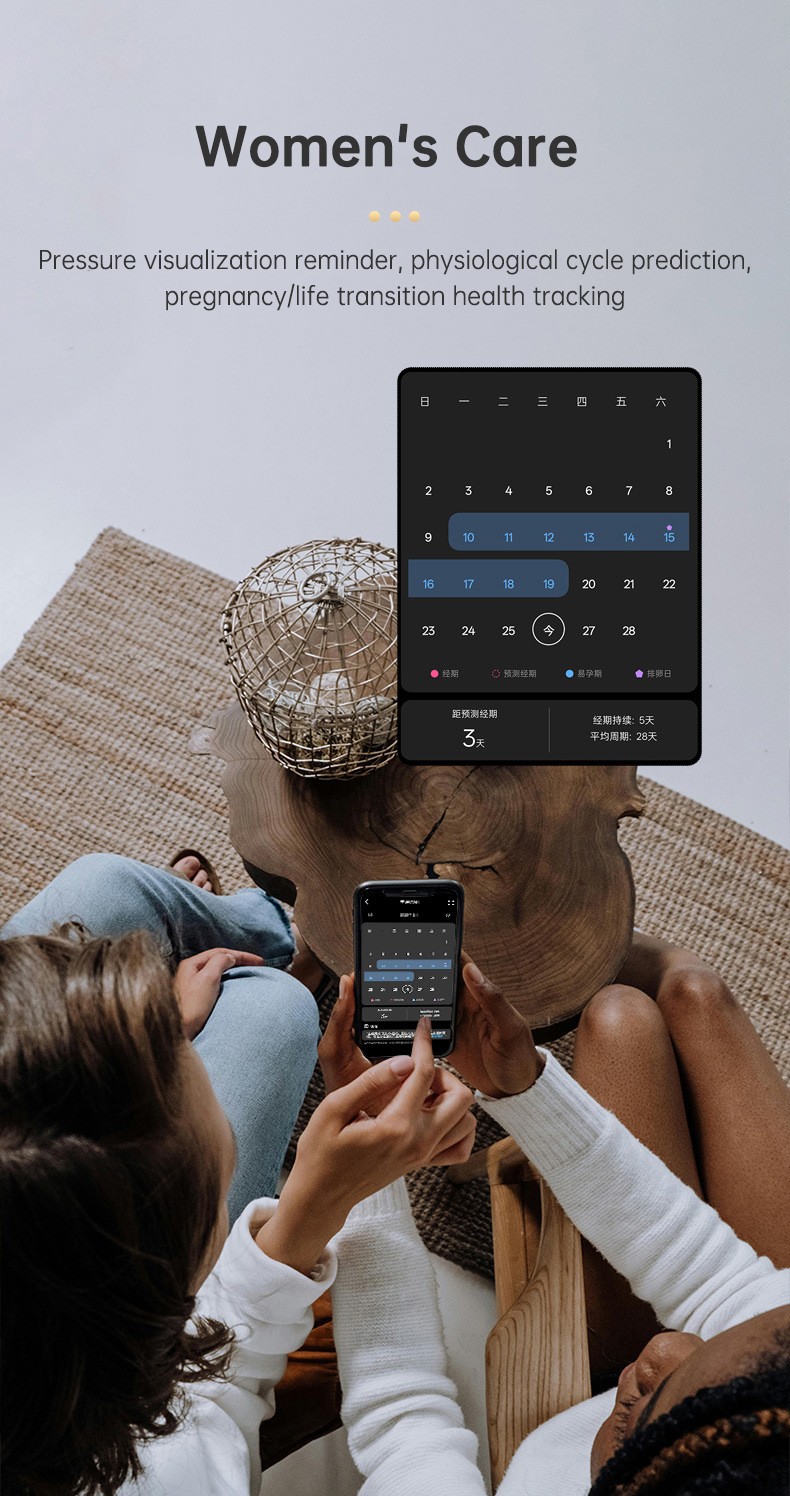


🚚 FREE UK Standard Shipping · Tracked delivery to your door (Estimated 5–15 days)
✨ Looking for a tech gift for him? Try our Gift Oracle for a personalised recommendation. Browse our full Rings collection or discover more gifting inspiration in the Memoriex Universe.


Mini GPS Tracker & Locator | Real-Time GNSS Tracking | Kids, Pets &...
993997B562484F1C974A5AB9AD087C28
Always Know. Always Connected.
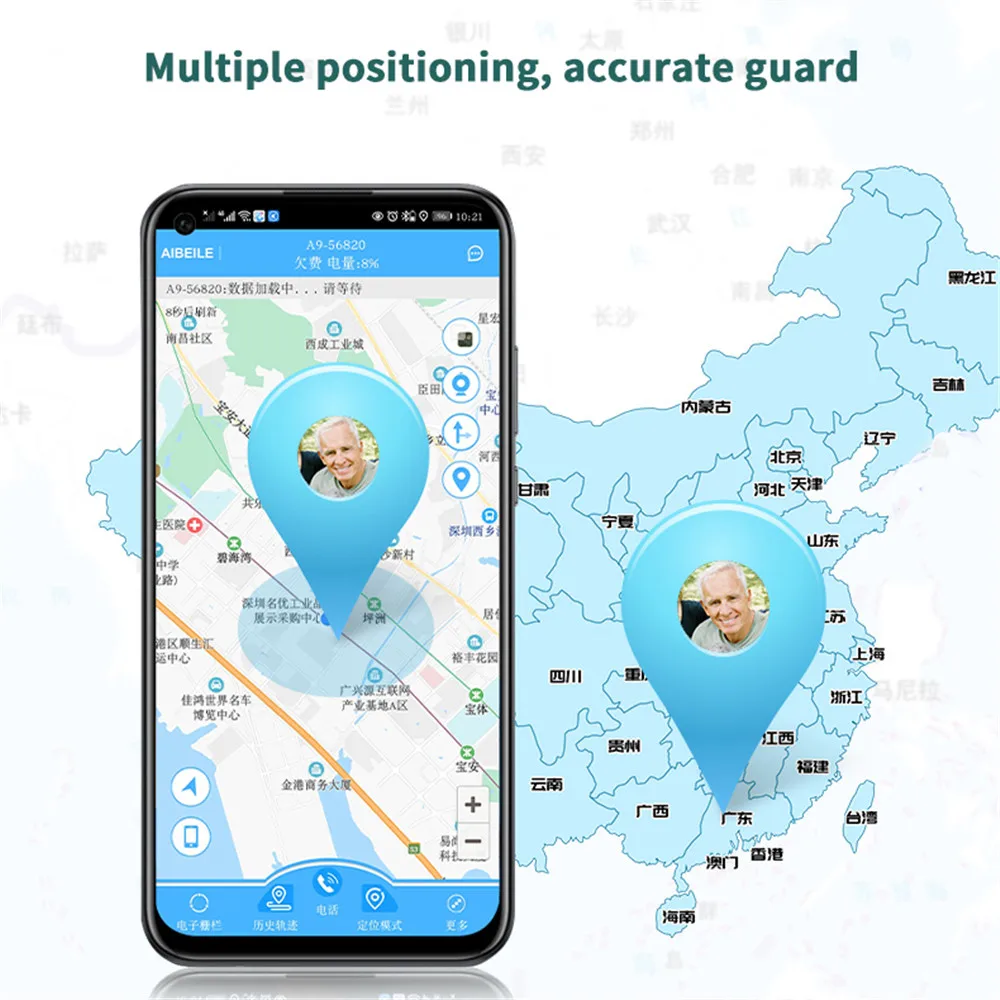
A compact, discreet GPS tracker with real-time multi-mode positioning (GNSS+GPS+LBS+WiFi), geofencing alerts, two-way calling, and up to 180 days of location history. Lightweight enough to clip to a bag, collar, or pocket.
Key Features
- Real-time GNSS+GPS+LBS+WiFi multi-mode positioning
- Geofencing in/out alerts — set safe zones via app
- Two-way calling & remote voice monitoring
- 180-day historical track log
- Long standby power-saving mode
- IPX5 waterproof design
- SOS button for instant alerts




"Peace of mind in your pocket — wherever they go."
Explore more: Health & Wellness UK | The Gentleman UK | The Gift Oracle
✓ Free UK Delivery on all orders.


Thin face mask, thin chin, non thin face bandage, face tool, face...
771F2236F73347359E8042A30BFB6BF1
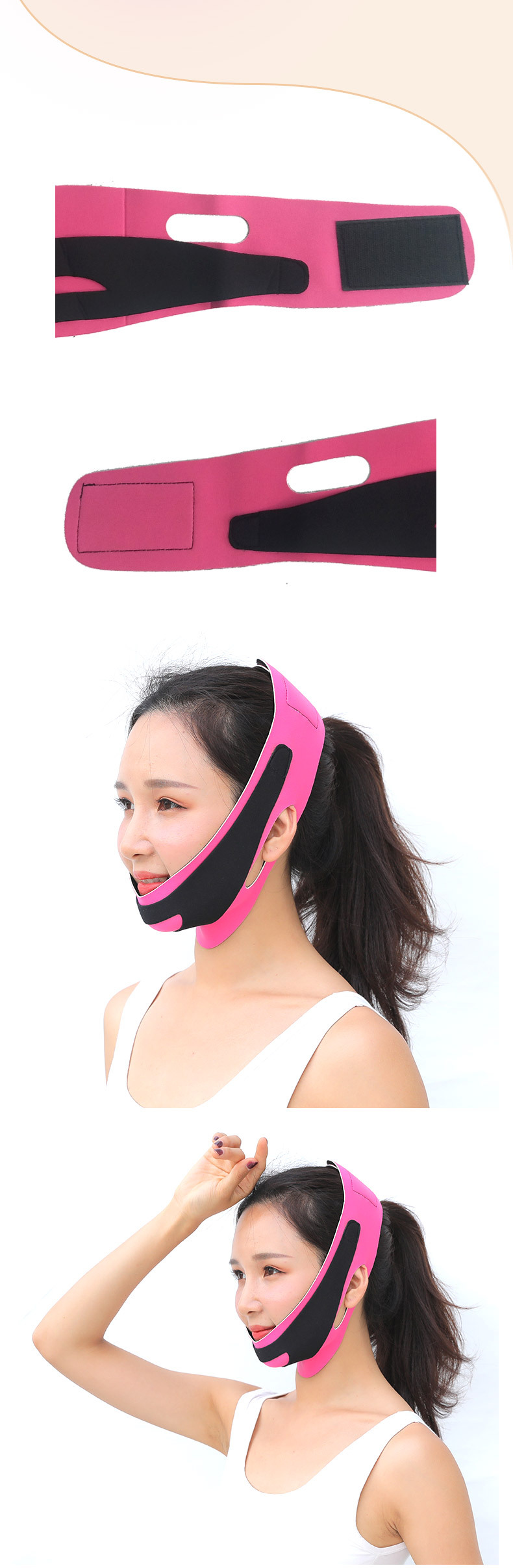
Thin face machine style: face mask type
Individual packaging size: 13 * 11 * 2cm

Heating Pad: Abdominal Massager Warm Palace Electric Pain Relief...
8ACE2EB2F6284EC48B61E7832CEBAB4B
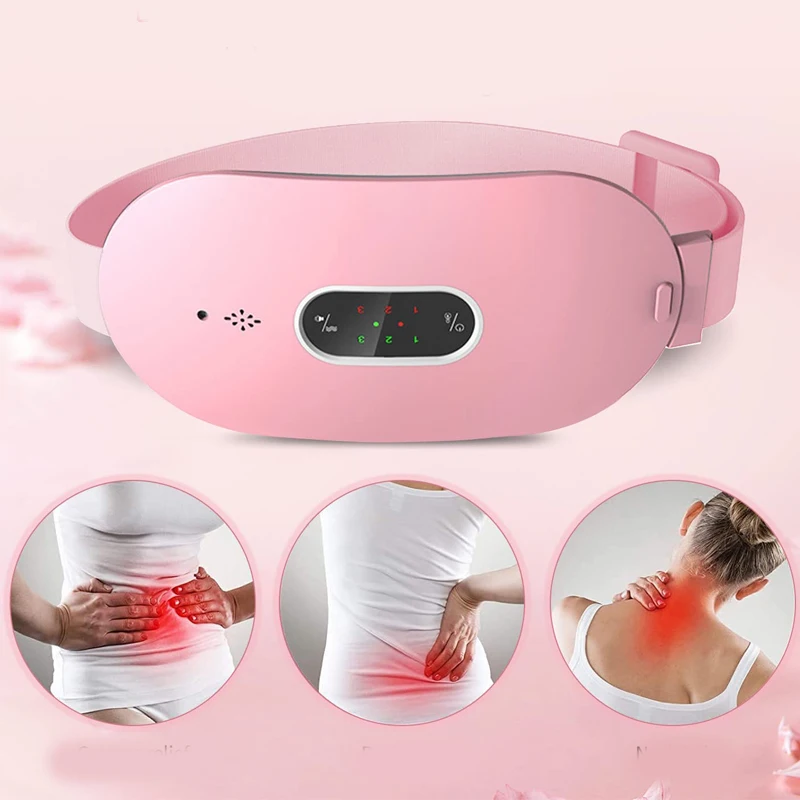
Heating Pad fir women: Abdominal Massager Warm Palace Electric Pain Relief Device
About Heating Pad:
-
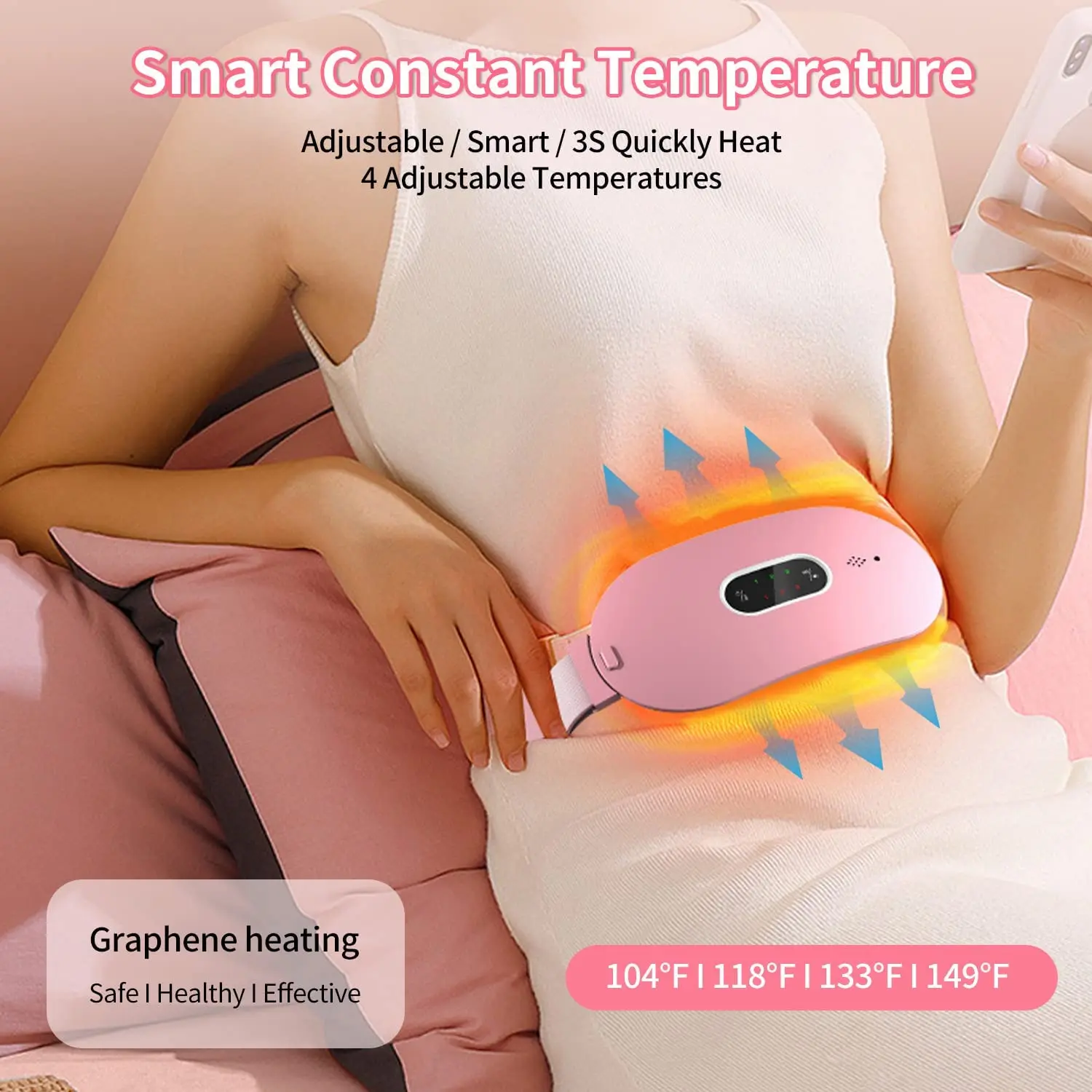
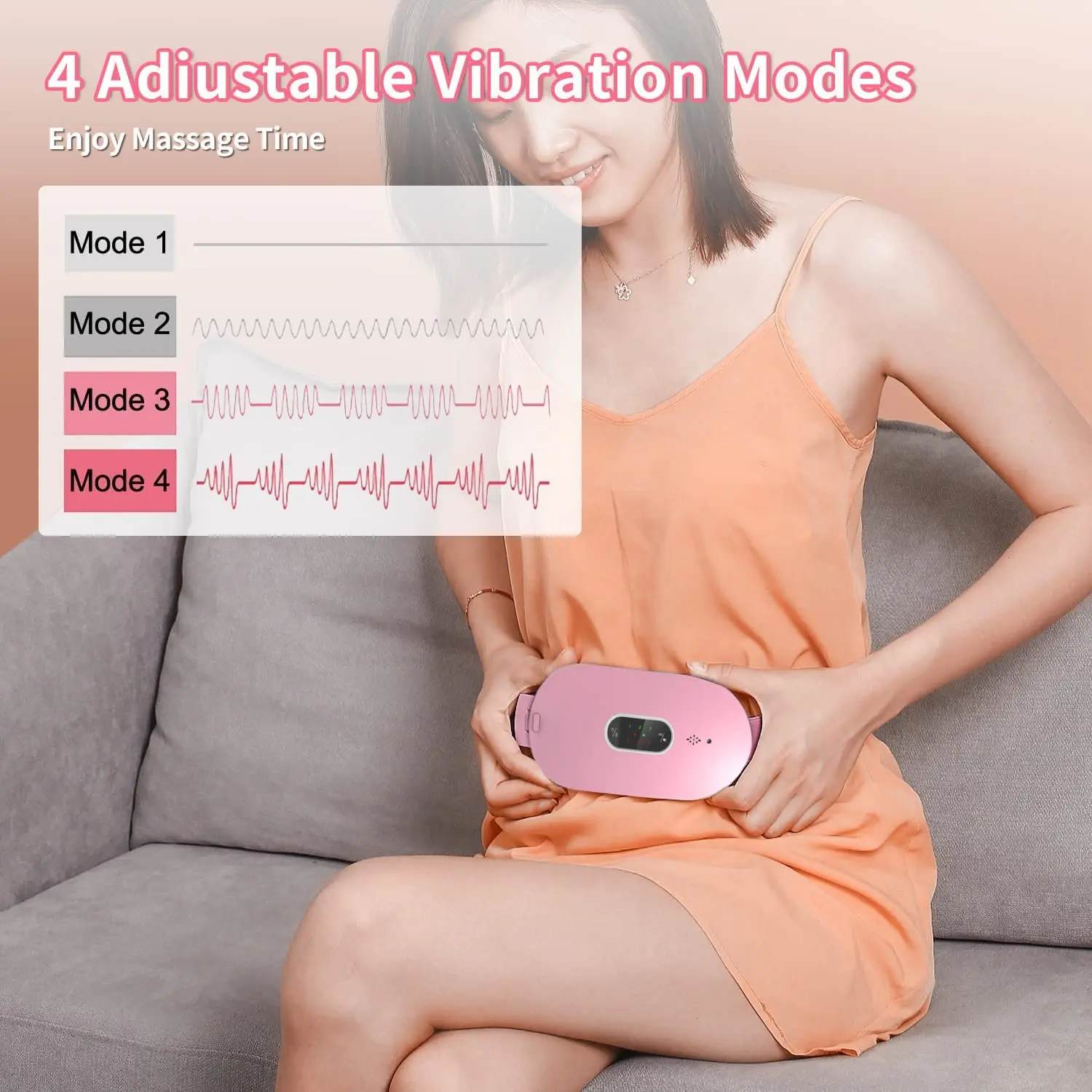
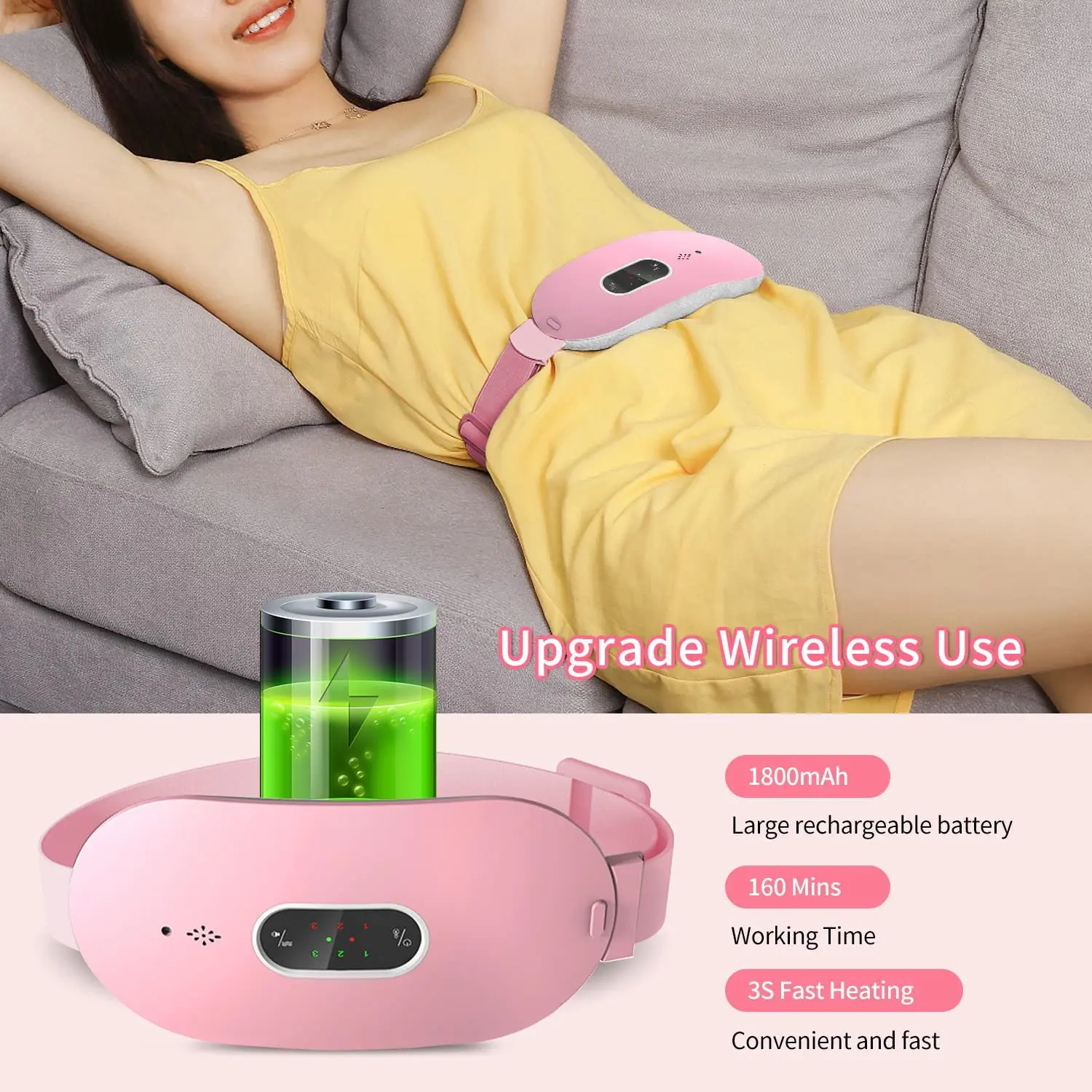
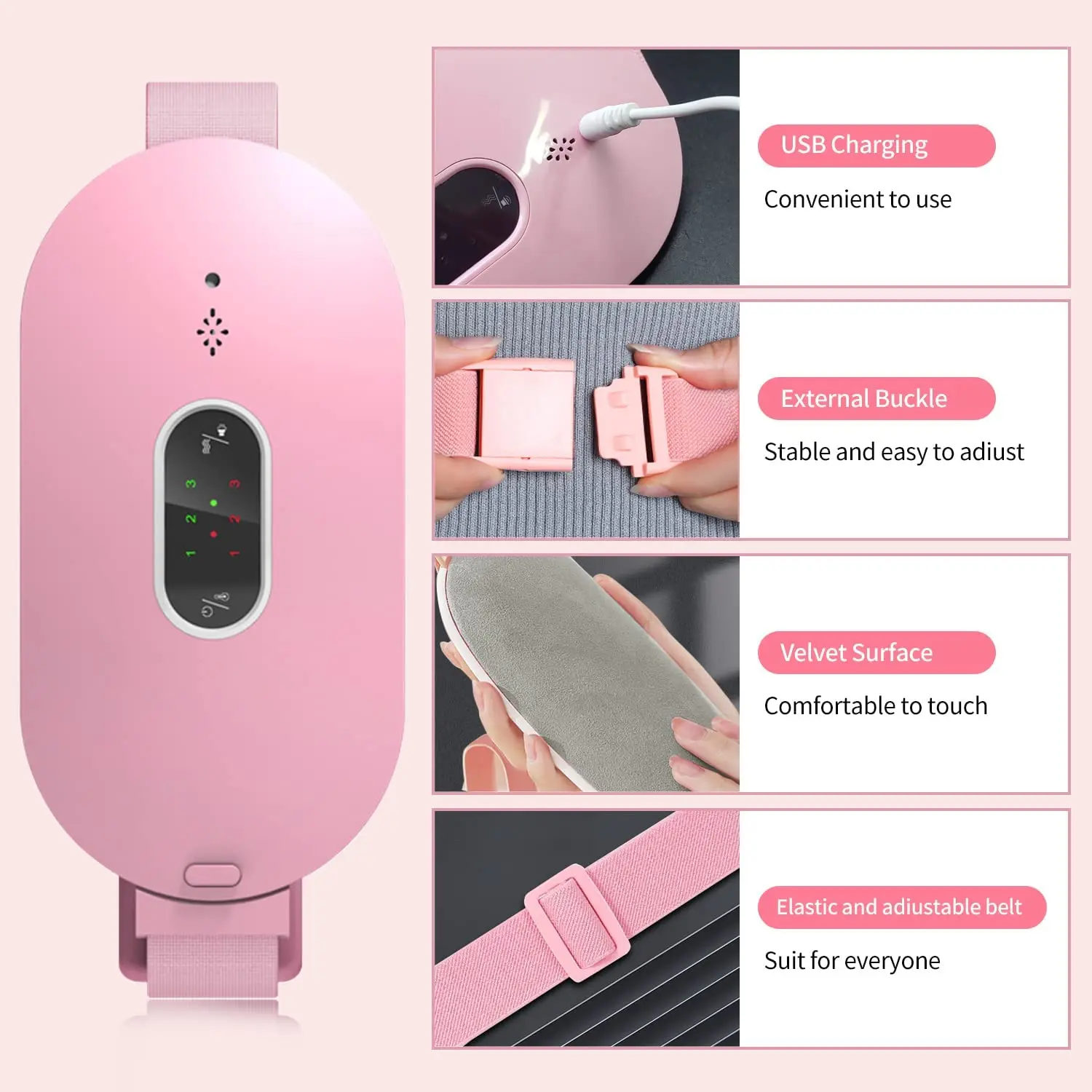
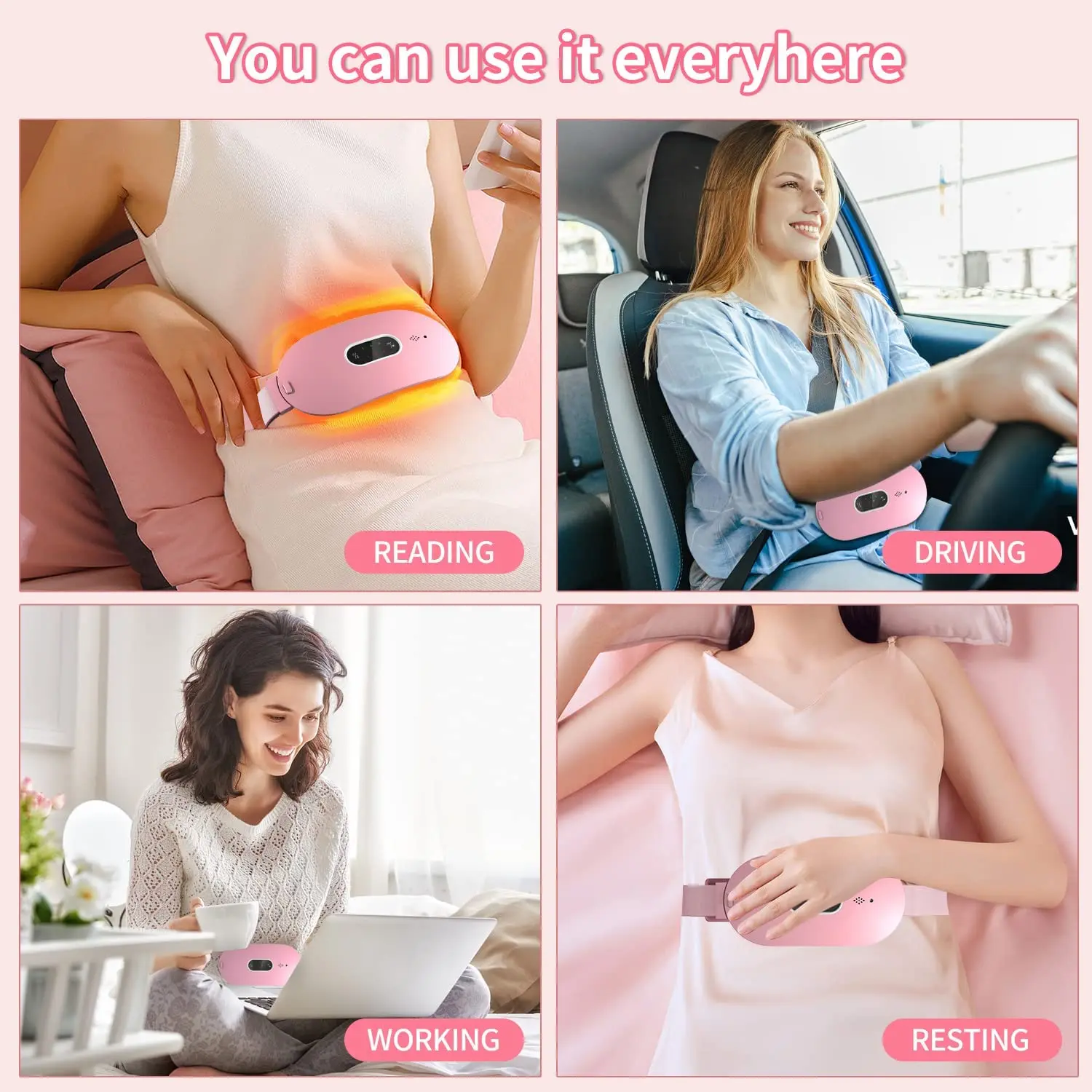
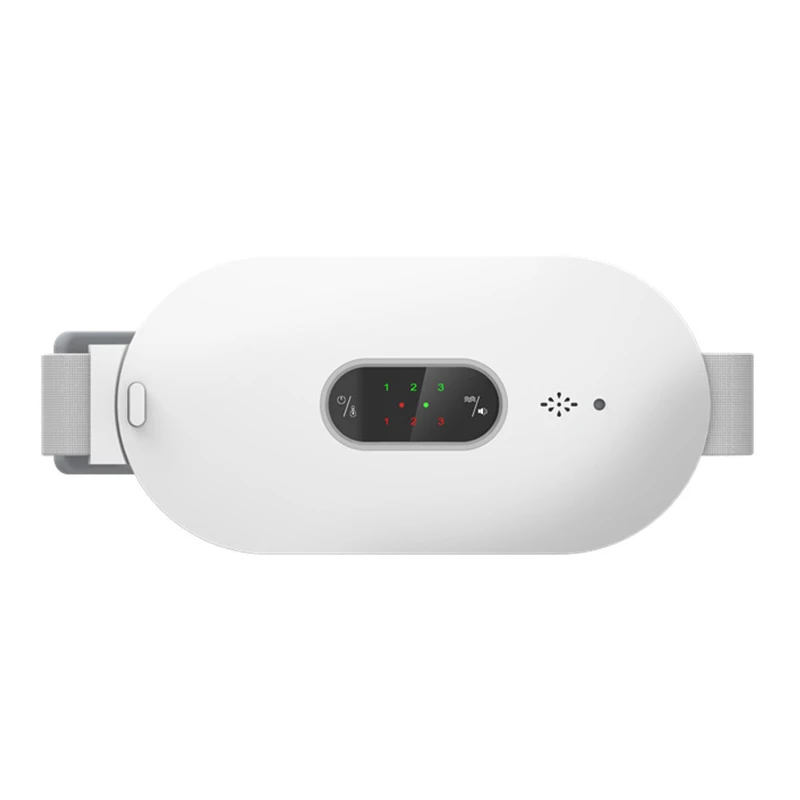
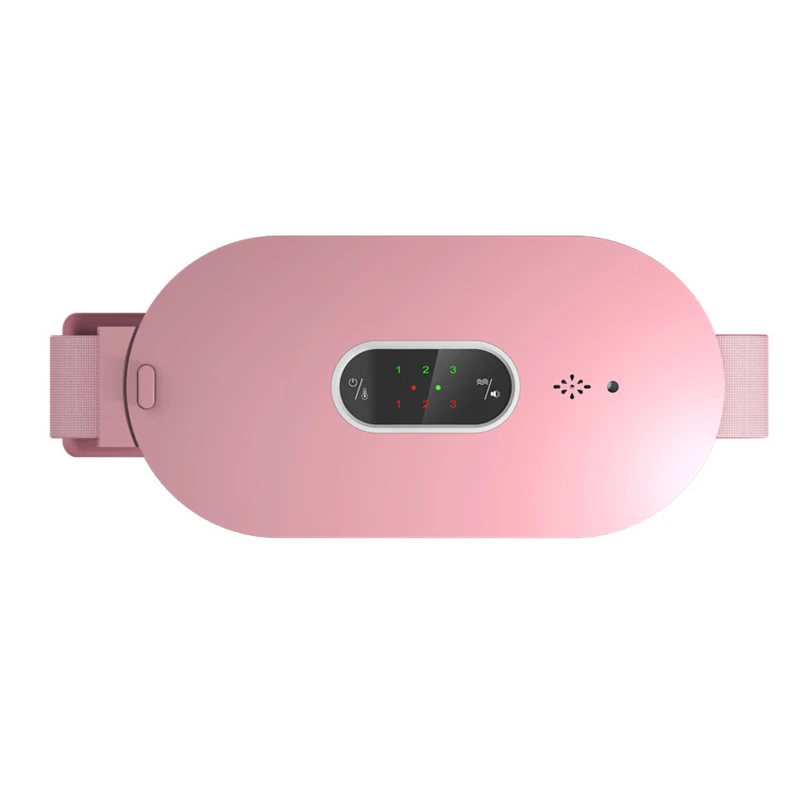
【Intuitive Using】This electric portable heating pad device uses USB charging which is more convenient. It has four different adjustable temperatures and four different massage modes, you can choose the mode according to your needs.
-
【Upgrade Materials & Fast Heating】AgoKud Portable Cordless Heating Pad focuses on relieving women's dysmenorrhea. The latest upgraded comfortable Lycra fabric, ultra-thin, skin-friendly, soft in line with human body structure. Graphene heating technology can quickly provide heat to your body, improve blood circulation and relax muscles.It is suitable for warming the palace, stomach, abdomen and waist protection.
-
【Automatic Design】 The portable heating pad is designed to automatically shut down. If you fall asleep during use, our product will automatically turn off within 30 minutes when it detects that you have not made any movement, which can ensure your safety. If you want to use it again, just turn it on again.
-
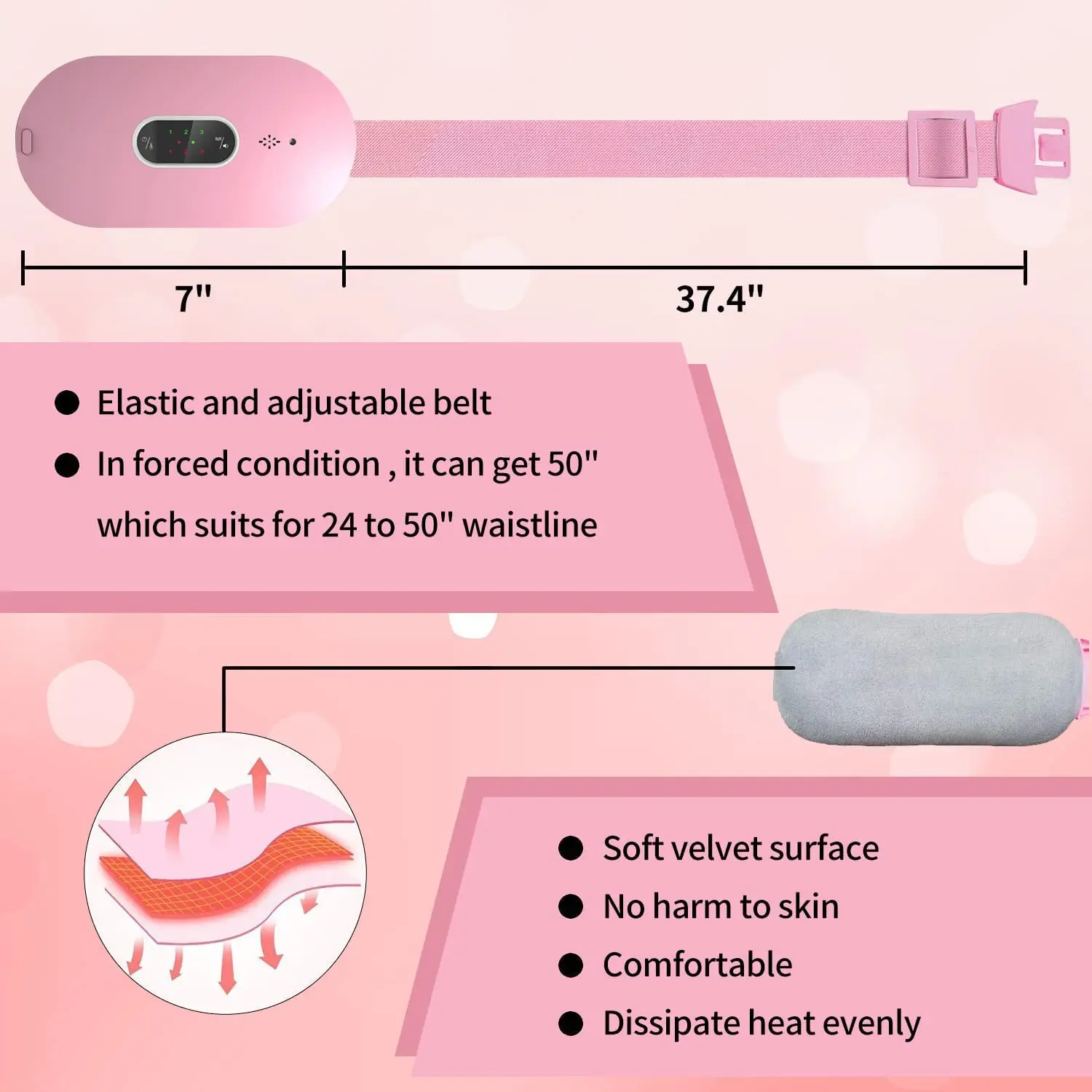
【More Ergonomic】The back of our heating pad adopts a very soft and comfortable contact surface, which can make you comfortable and can dissipate heat evenly. Considering the size of the waist, our waistband is adjustable, In forced condition , it can get 50", which suits for 24 to 50" waistline
-
【The Most Ideal Gift】 electric menstrual heating pad is a perfect gift for female, which can help all girl or women get rid of pain in the uterus or waist and abdomen.
-


Faucet-Mounted Water Flosser | No Batteries | 360° Rotation | 6...
911385BE36194055A73855EB8EEBE837
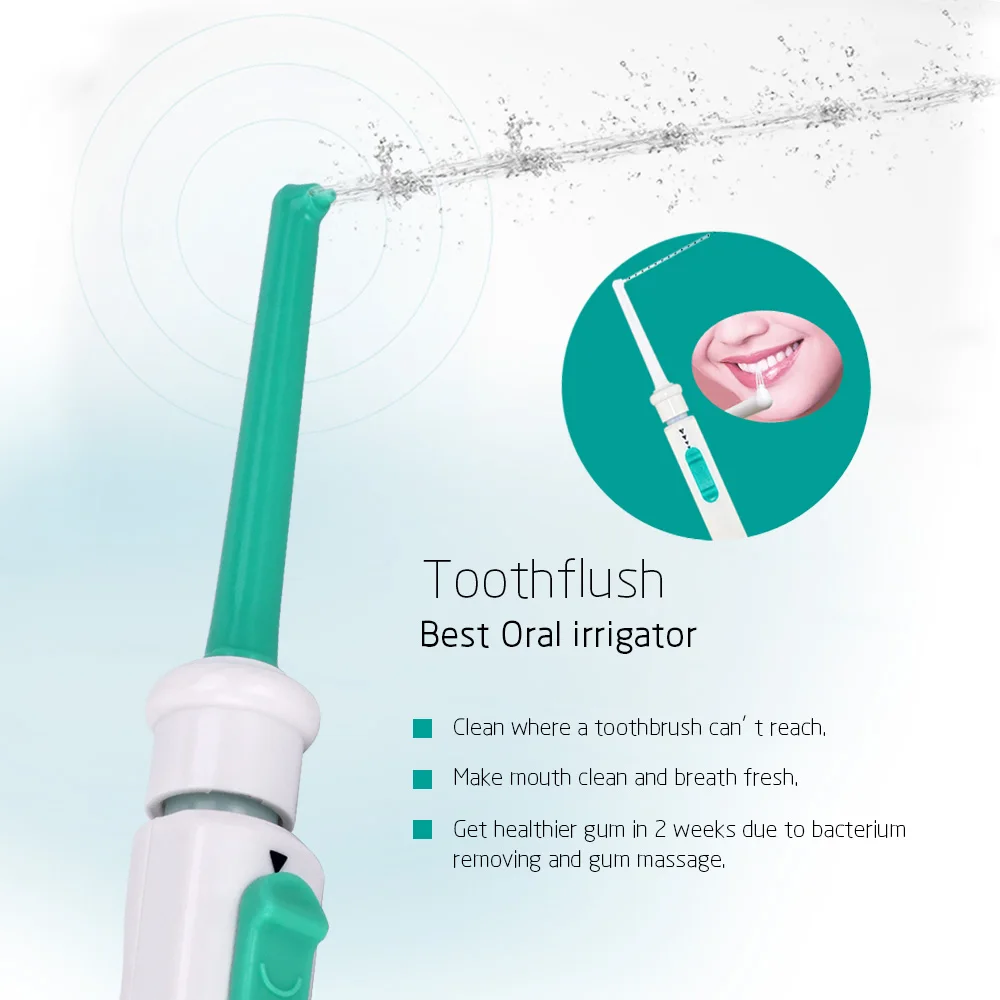
Effortless Flossing — Powered by Your Tap, No Batteries Needed
Key Features
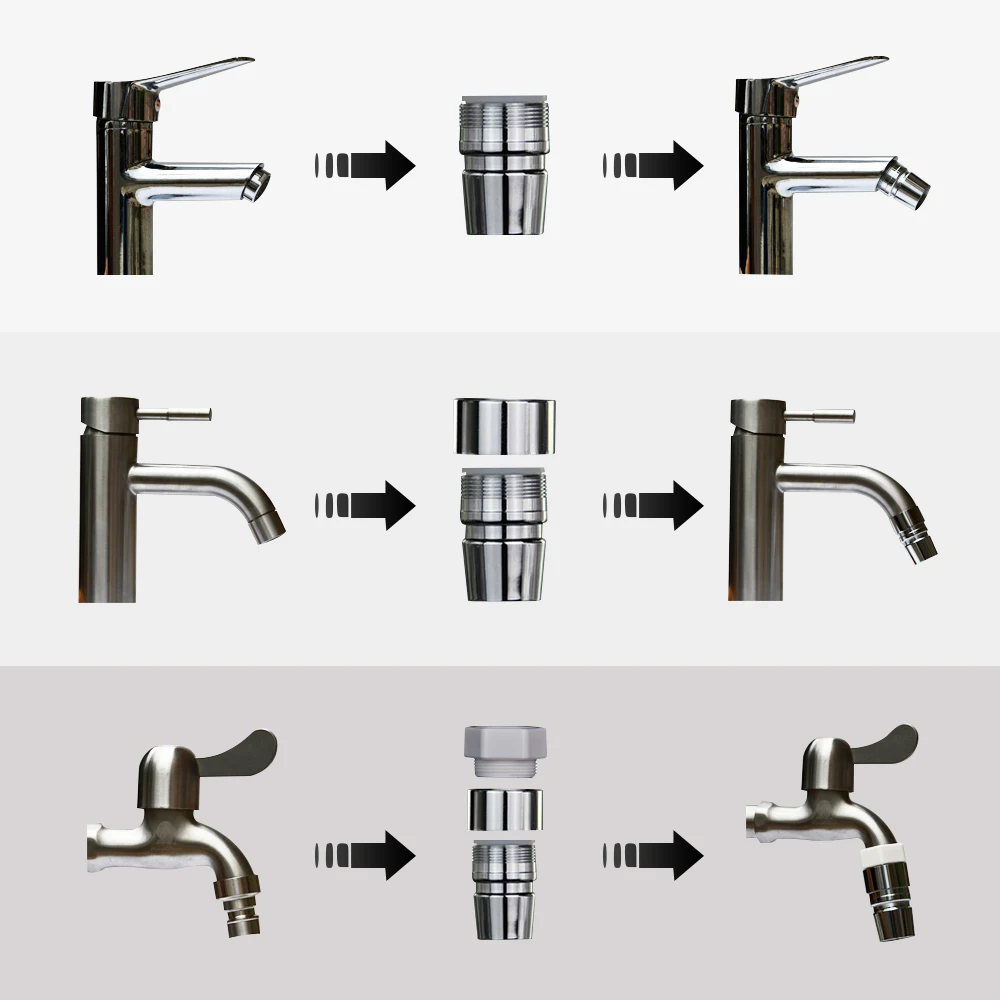
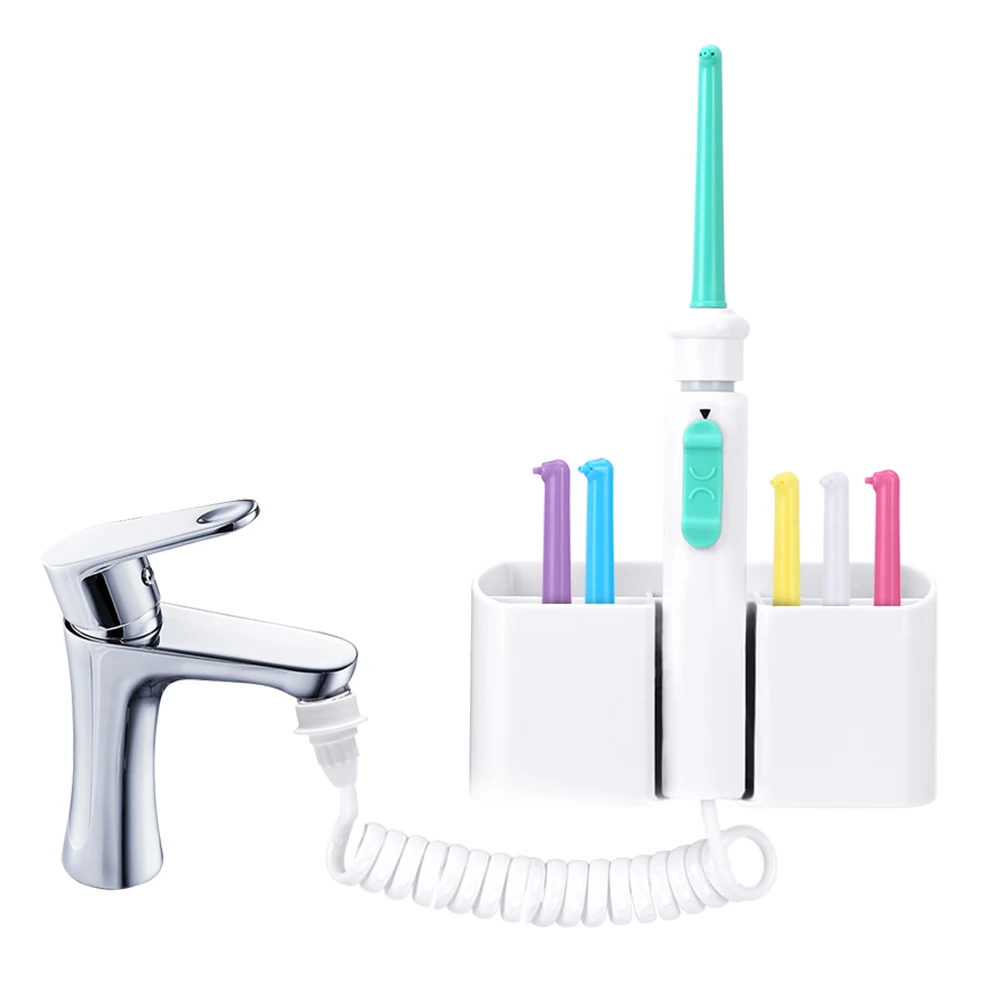
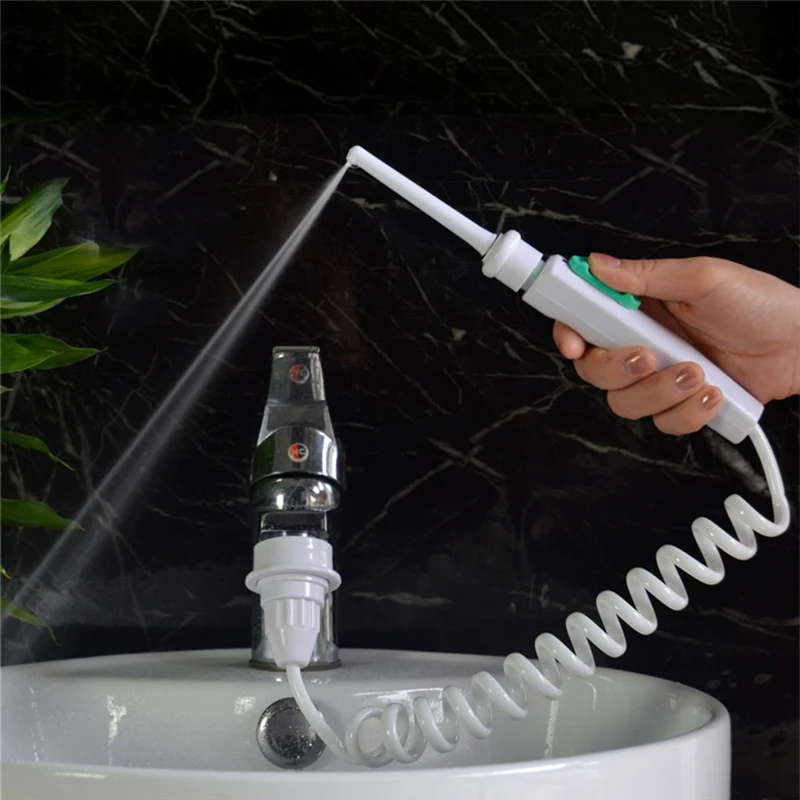
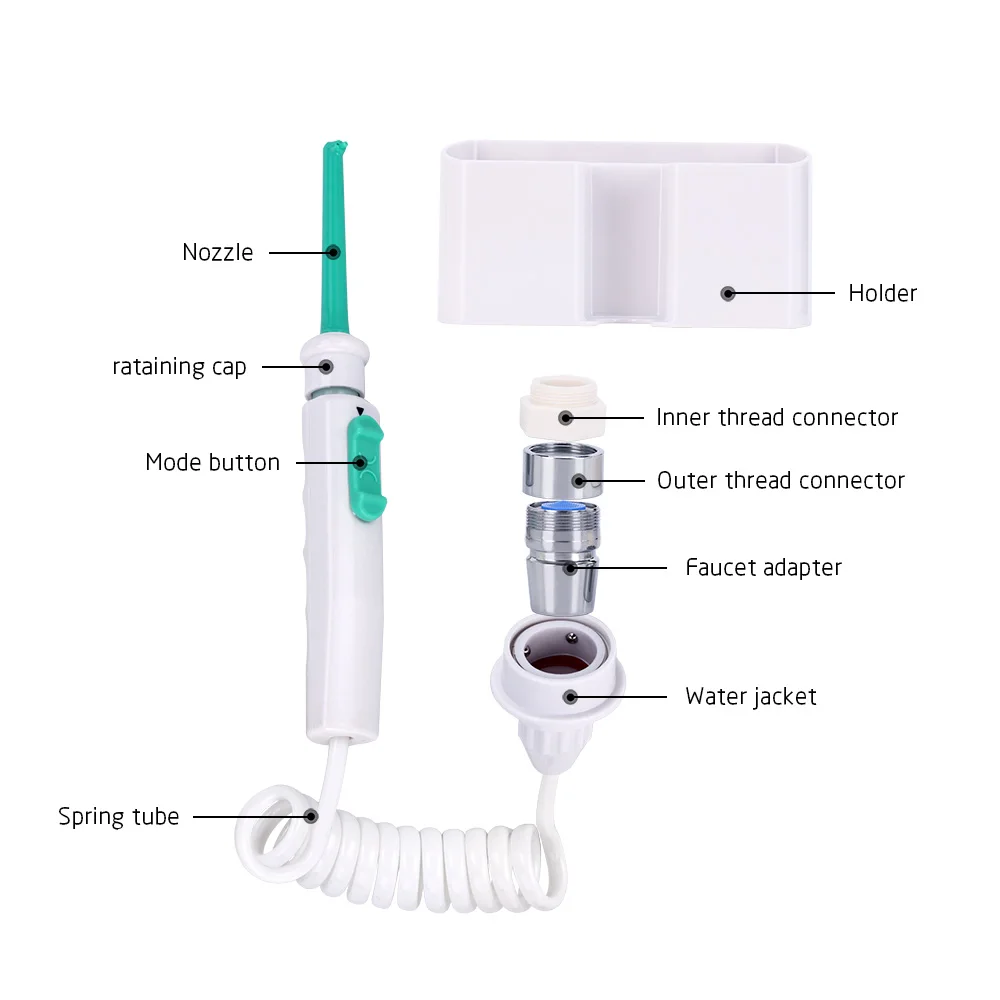
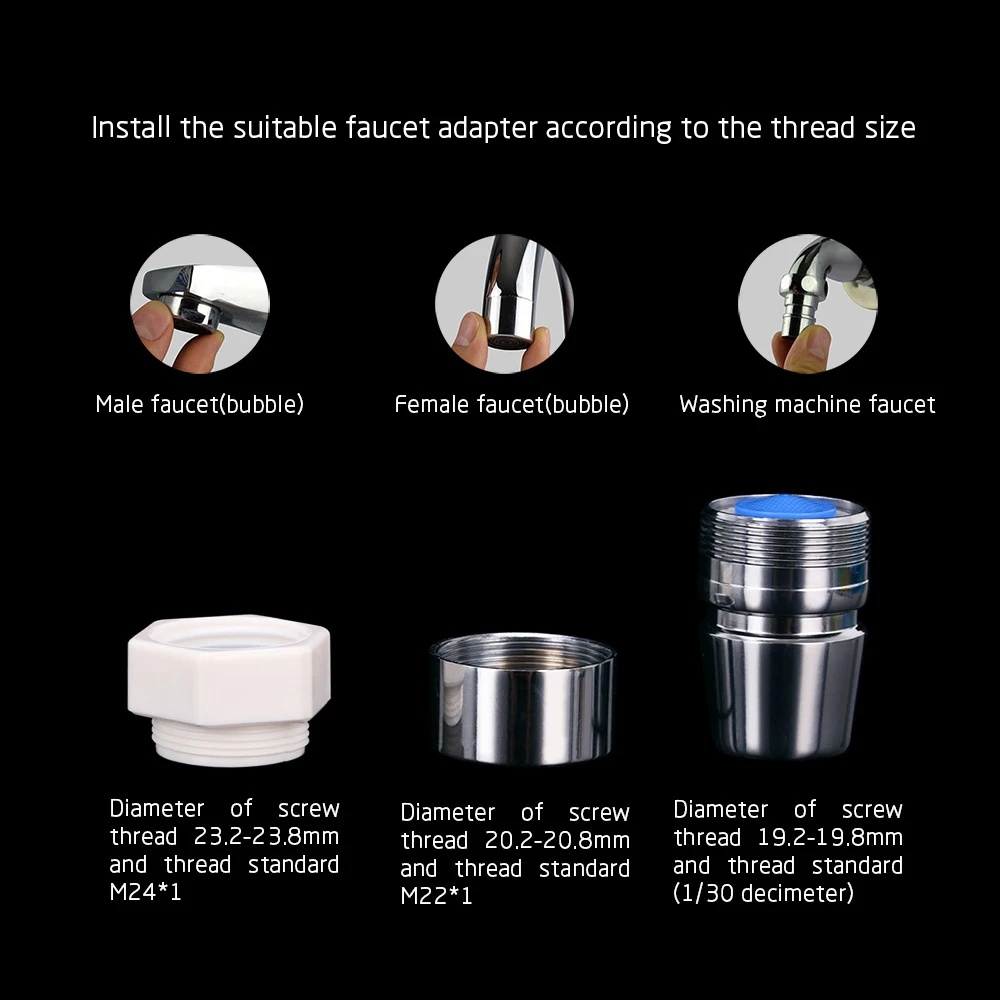
- Faucet-powered — connects directly to your tap via the included adaptor; no batteries or charging required
- 360° rotation — rotates freely after installation for comfortable use at any angle
- Extendable coil tube — stretches up to 1 metre for flexible reach
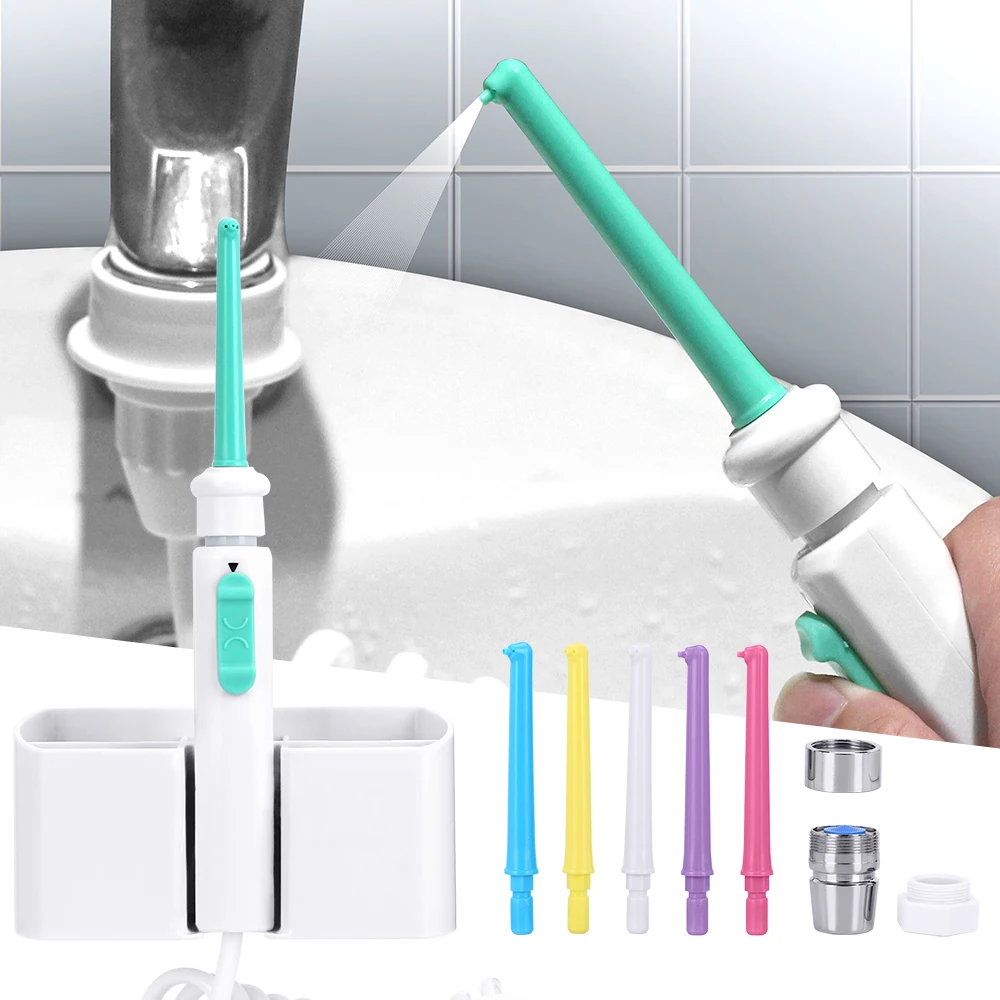
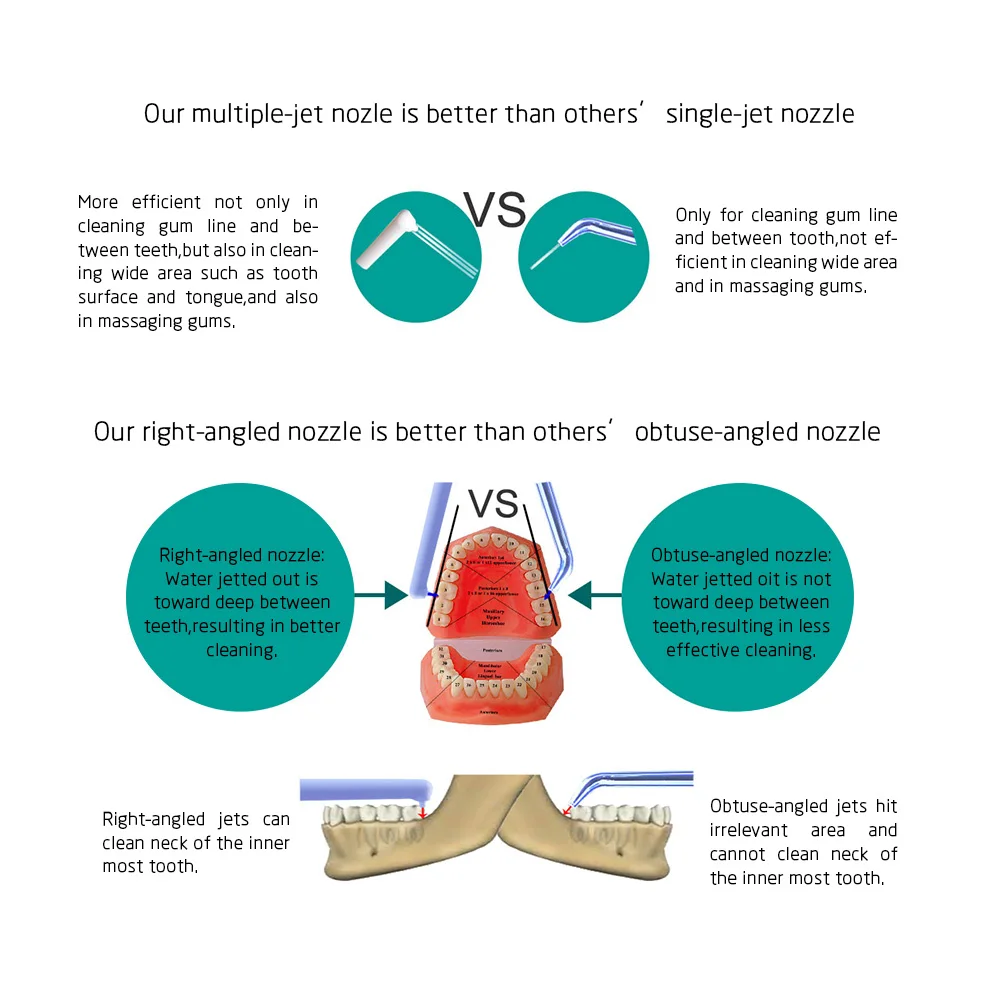
- Single & triple jet modes — choose your preferred water pressure and spray pattern
- 90° right-angled jets — reaches the inner surfaces of back teeth with ease
- 6 colour-coded nozzles — hygienic individual use for the whole family
- Adjustable water pressure — gentle enough for sensitive gums
- SGS approved
⭐ Loved by our customers — see reviews below
Product Details
- Model: MK-104C
- Power: Water-powered (battery-free)
- Colour: White
- Packing list: 3 × Multi-jet nozzles, 3 × Single-jet nozzles, 1 × Plastic faucet adaptor, 2 × Metal faucet adaptors, 1 × Storage box, 1 × Handle set, 1 × Manual

Explore more in our Health & Wellness UK | The Gentleman UK | The Gift Oracle
Free UK delivery on all orders. Order today.


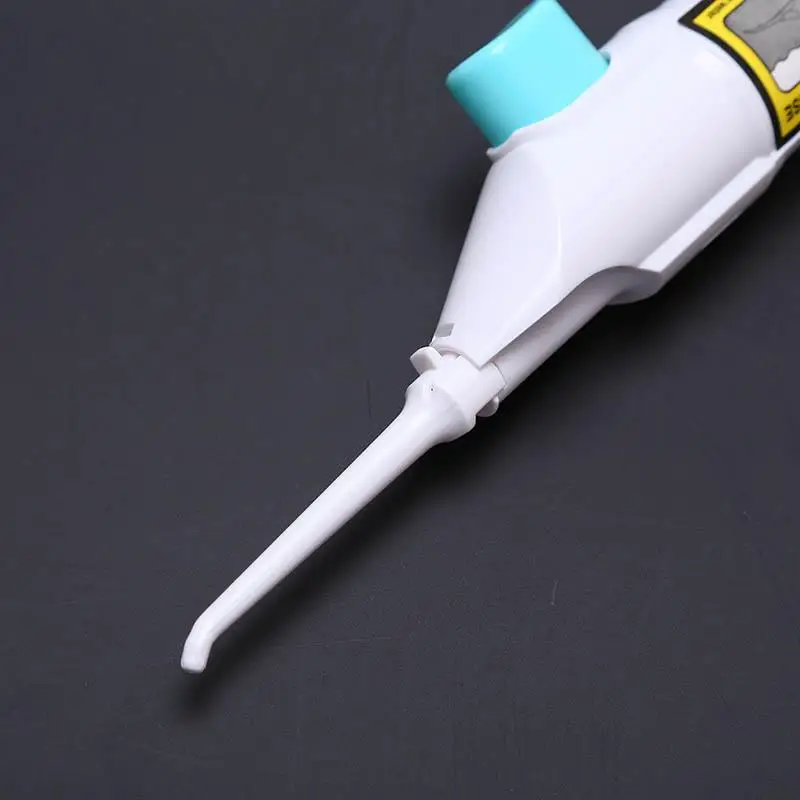
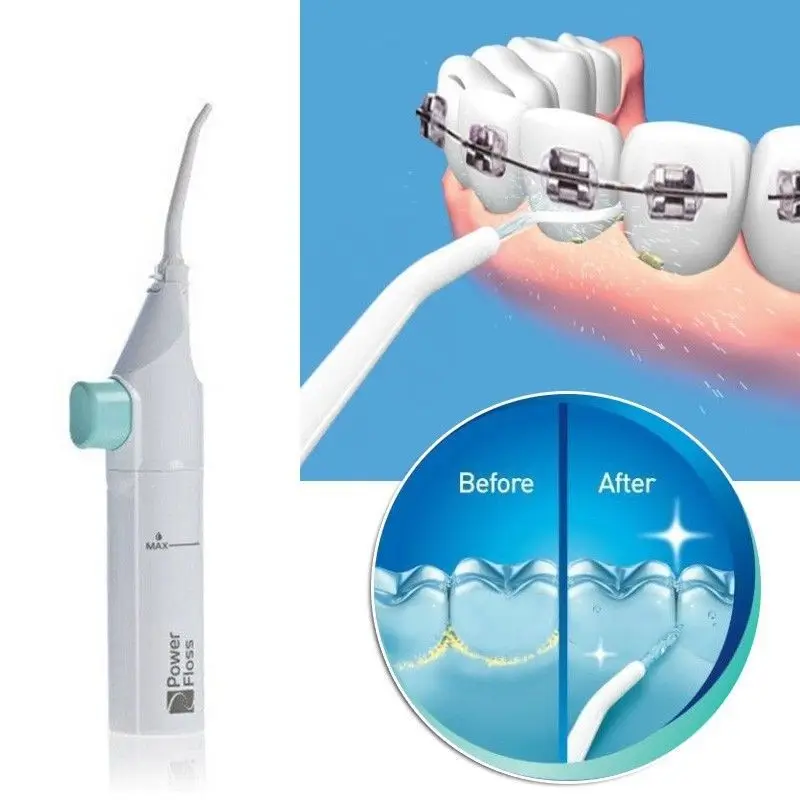
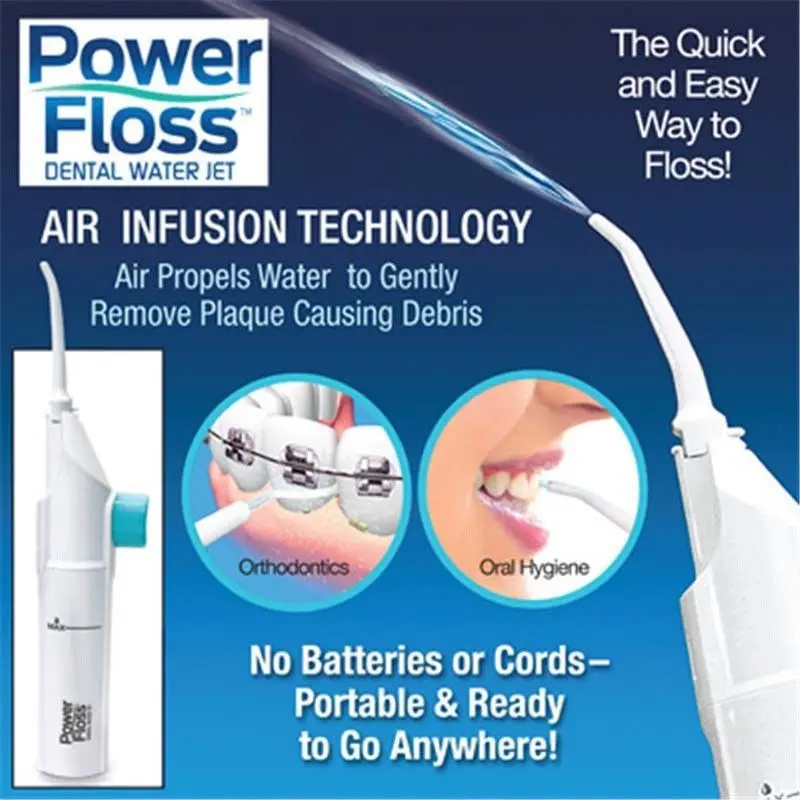
Portable Power Floss Water Jet | No Batteries | Teeth Cleaning &...
B075D3D7F0714D869139FC66D293DEE7
Clean & Bright Teeth Anywhere — No Batteries, No Fuss
Key Features
- Battery-free design — lightweight and hassle-free; no charging or batteries required
- Portable water jet — directs a precise stream of water between teeth and along the gum line
- Teeth cleaning & whitening kit — everything you need for a fresher, brighter smile
- Compact size — easy to carry for use at home, the office, or while travelling
- Simple to use — no setup required; just fill and floss
⭐ Loved by our customers — see reviews below
Product Details
- Power: Battery-free
- Packing list: Full kit as shown



Explore more in our Health & Wellness UK | The Gentleman UK | The Gift Oracle
Free UK delivery on all orders. Order today.


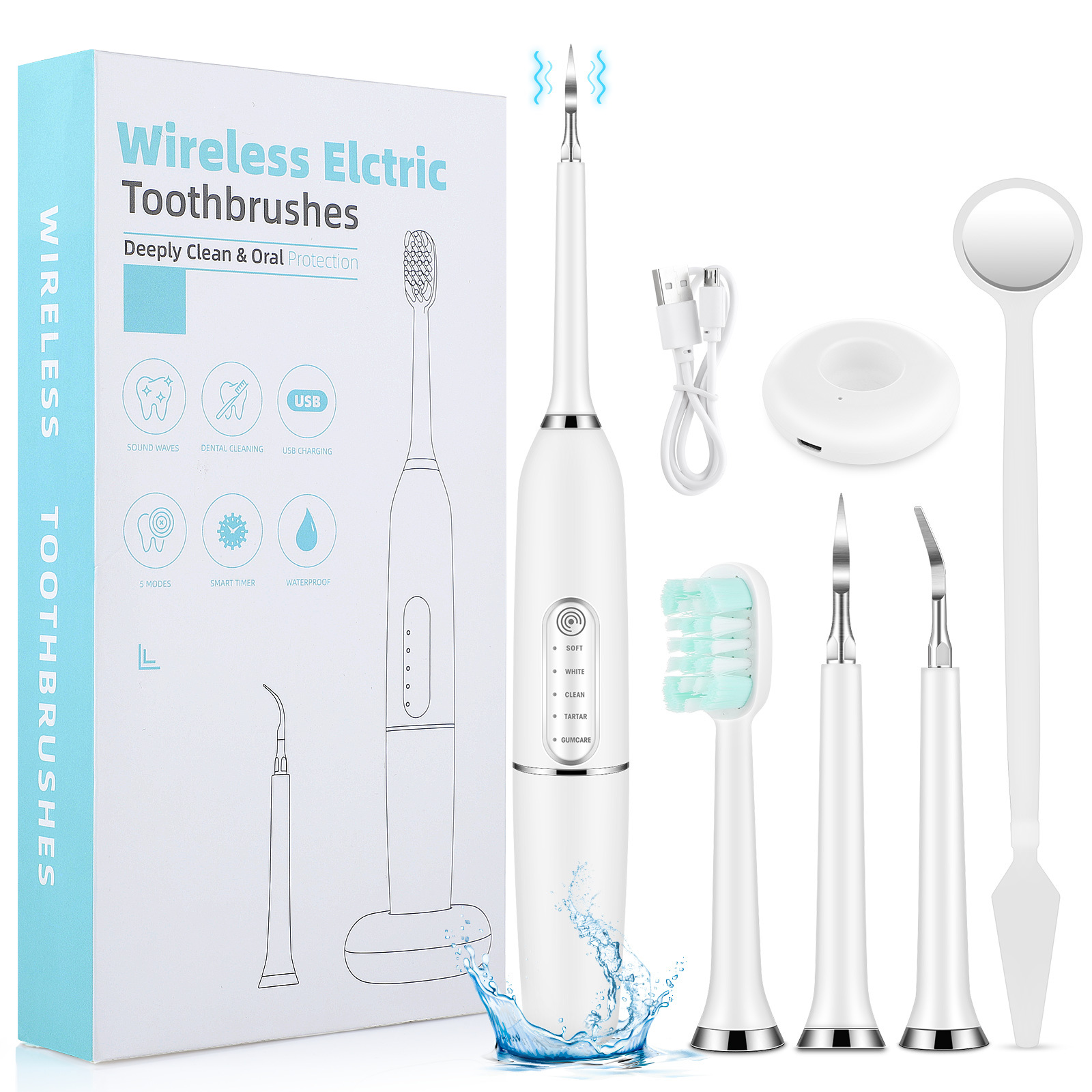
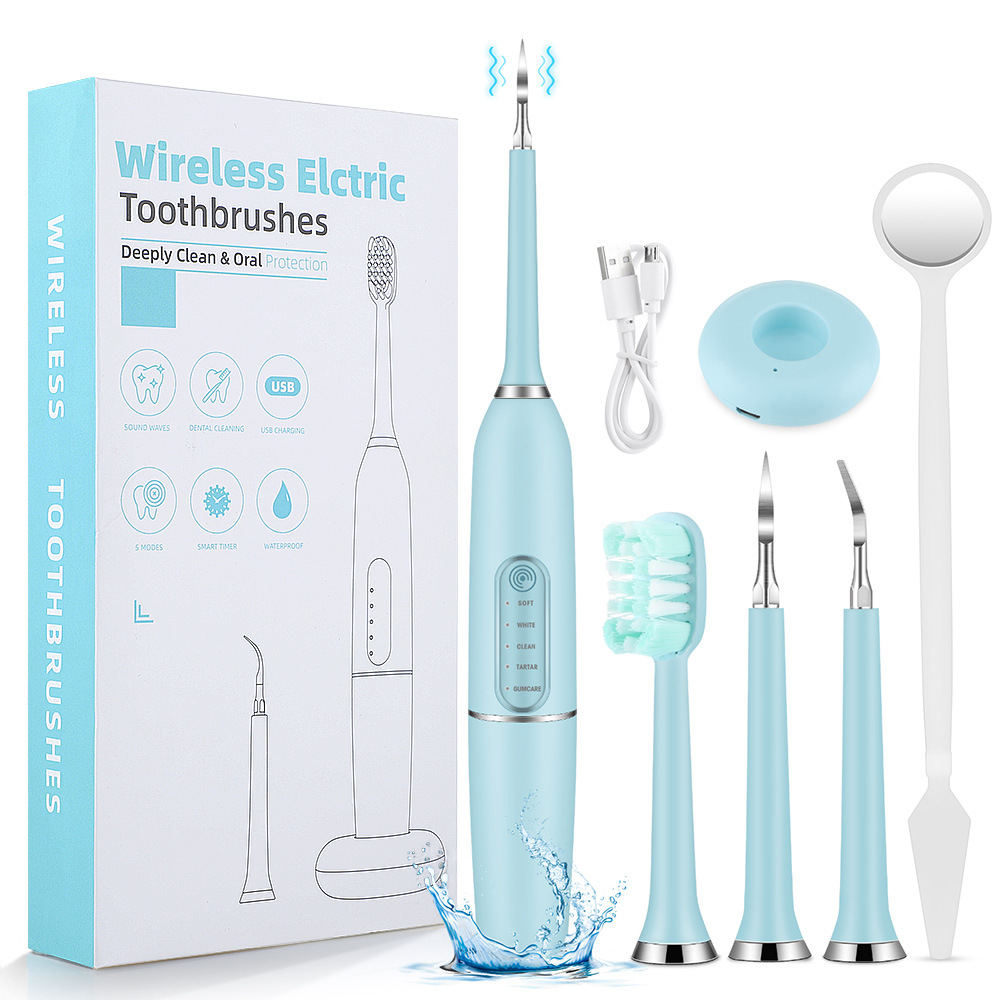
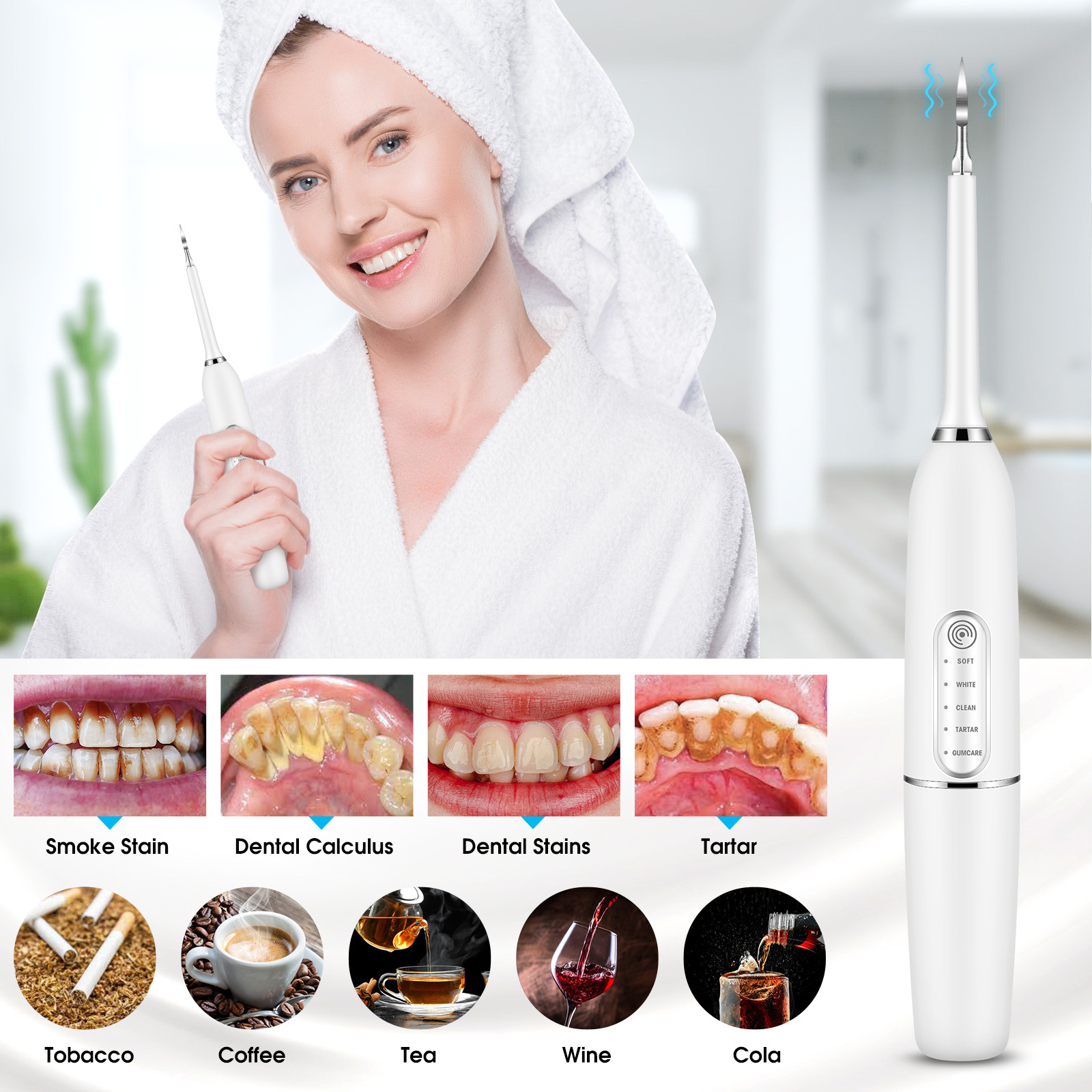
Electric Tooth Cleaning Kit | Waterproof | USB Charging | 3 Heads +...
62A2BA84334A4241B4A4FF12E5802E1D
Professional-Style Tooth Cleaning — At Home, On Your Schedule
Key Features
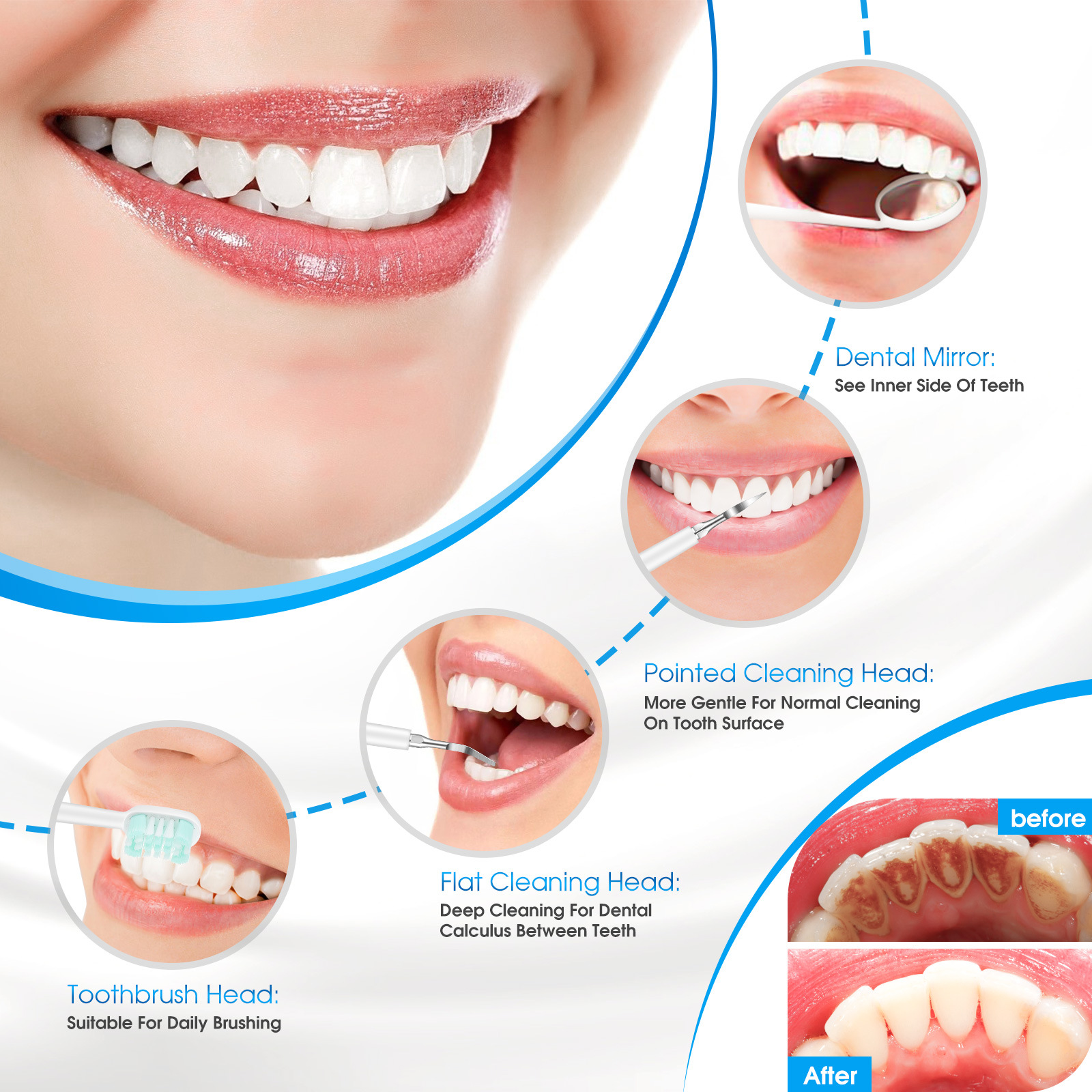
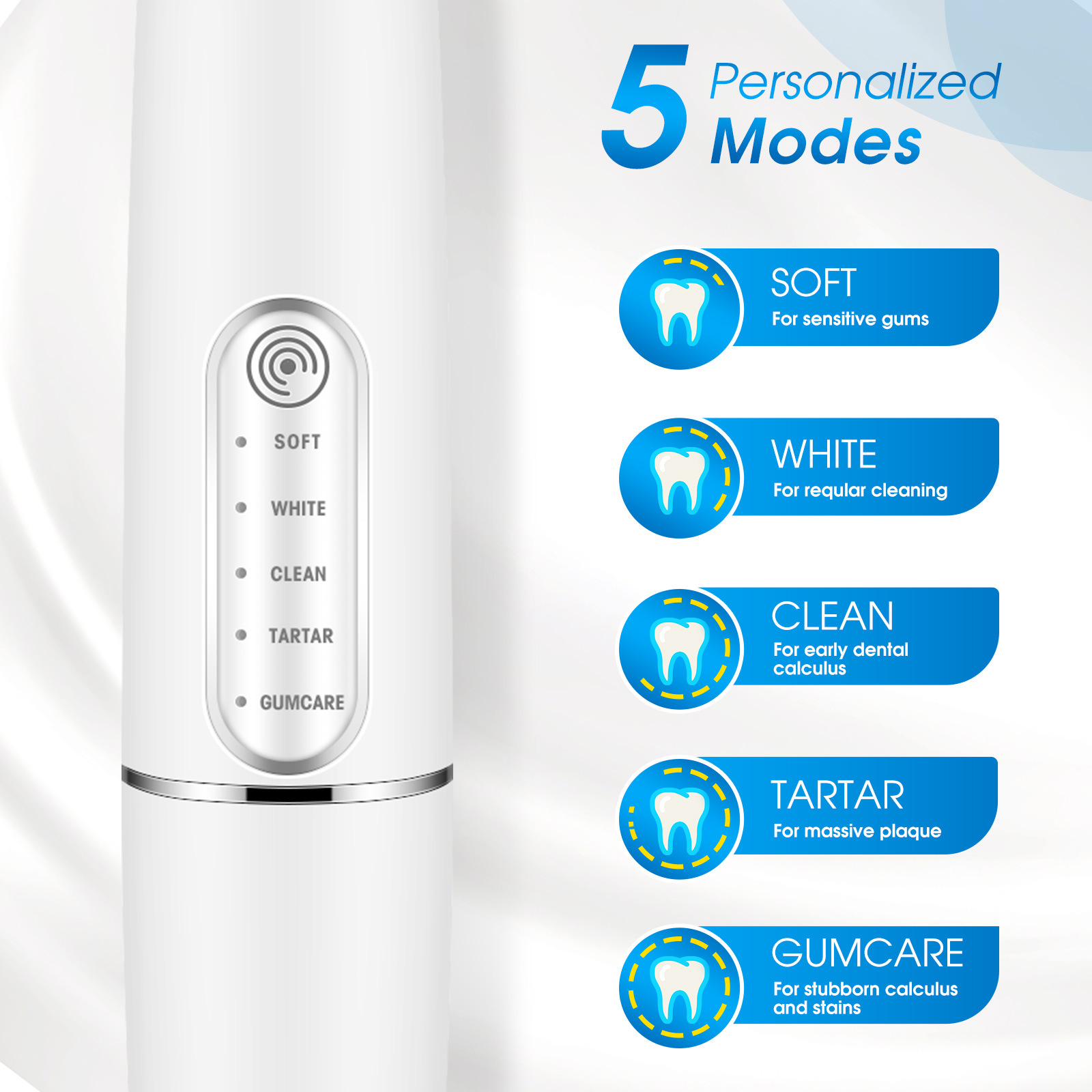
- 3-in-1 cleaning kit — includes toothbrush head, 2 tooth cleaning heads, and an oral mirror for a thorough clean
- Waterproof design — IPX7-rated for safe use in the bathroom
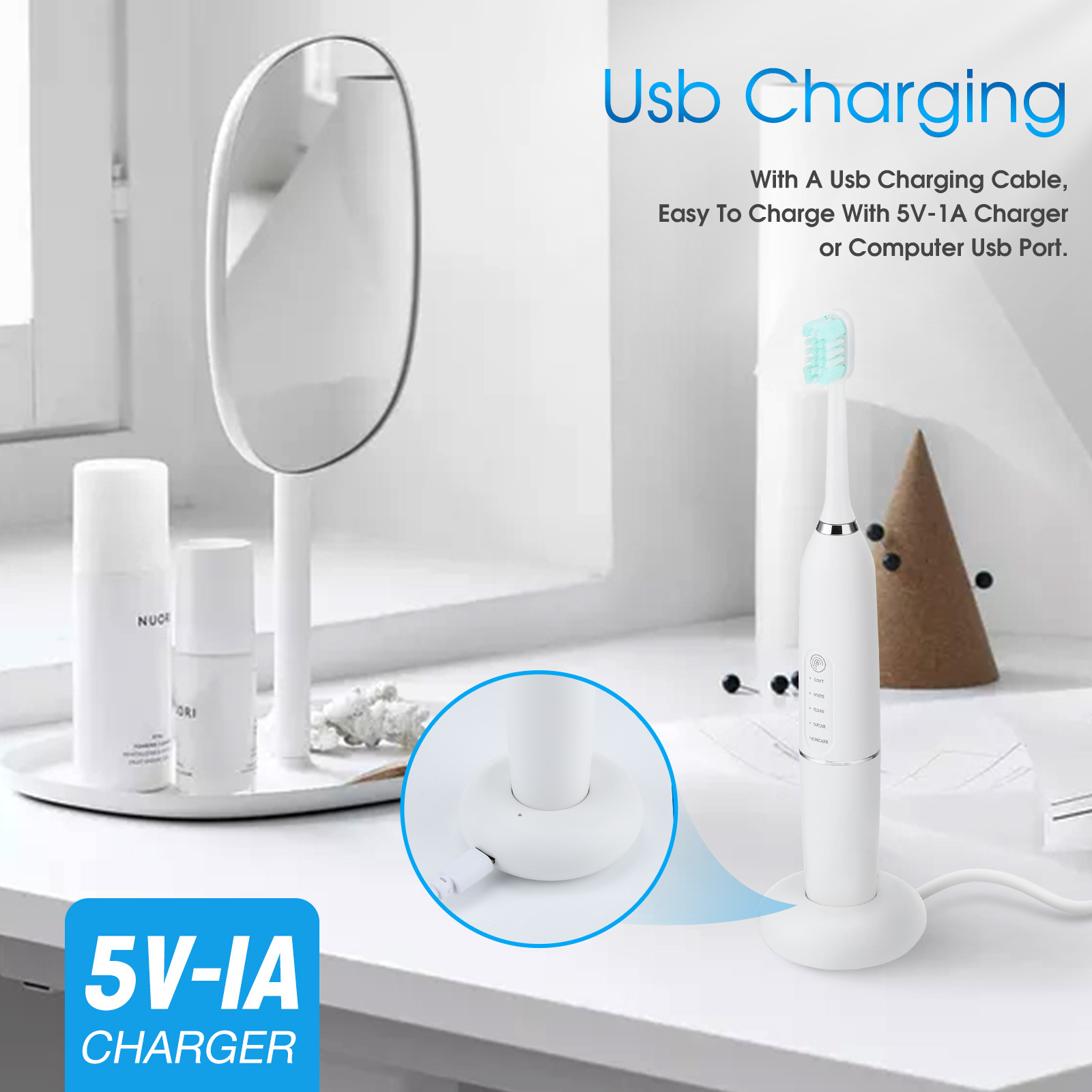
- USB charging base — convenient charging with no fiddly cables
- LED-lit oral mirror — see exactly what you’re doing for precise cleaning
- CE/FCC certified — tested and approved for safe home use
- 2 colour options — White and Blue
- Also available with extra brush heads — choose the standard set or the bundle with 3 additional brush heads
⭐ Loved by our customers — see reviews below
Product Details
- Material: ABS
- Weight: 0.144kg
- Dimensions: 19.5 × 10.7 × 3cm
- Certifications: CE, FCC
- Packing list: 1 × Host, 1 × USB Charging Base, 1 × Toothbrush Head, 2 × Cleaning Heads, 1 × Oral Mirror, 1 × Manual
Explore more in our Health & Wellness UK | The Gentleman UK | The Gift Oracle
Free UK delivery on all orders. Order today.


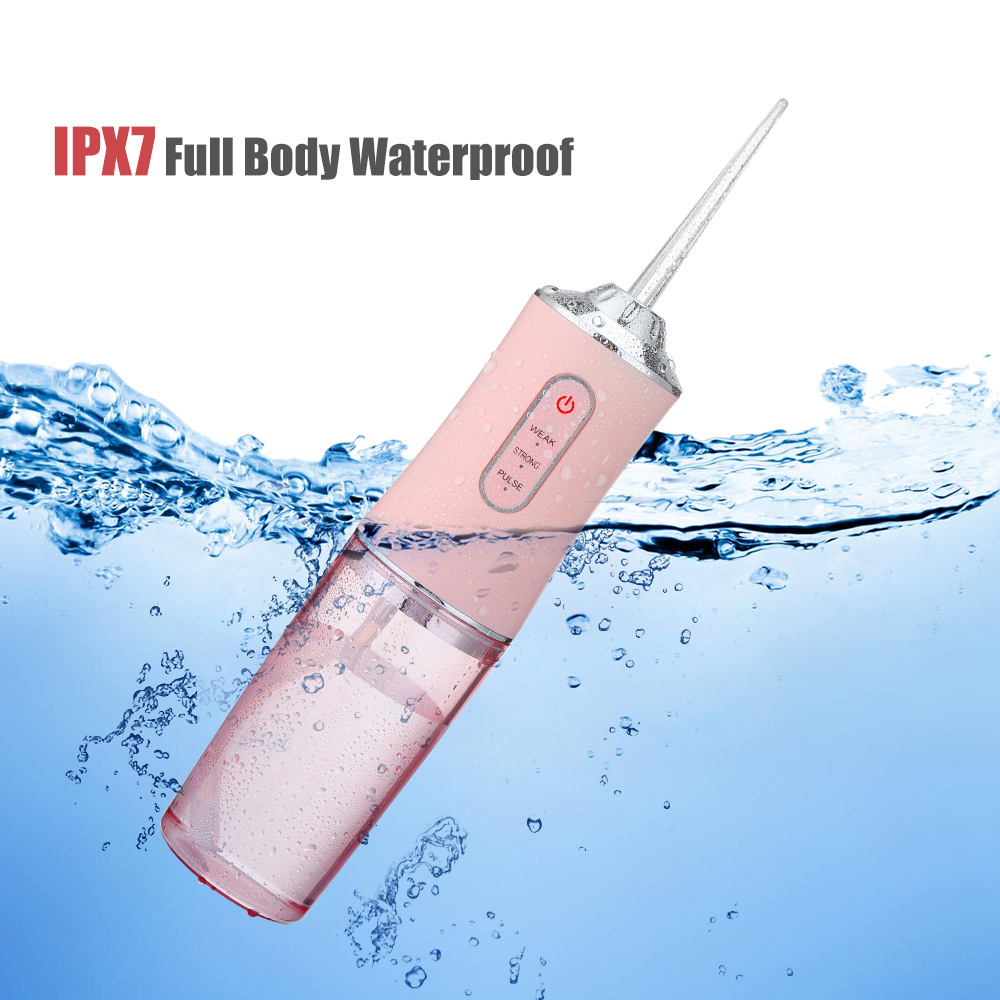
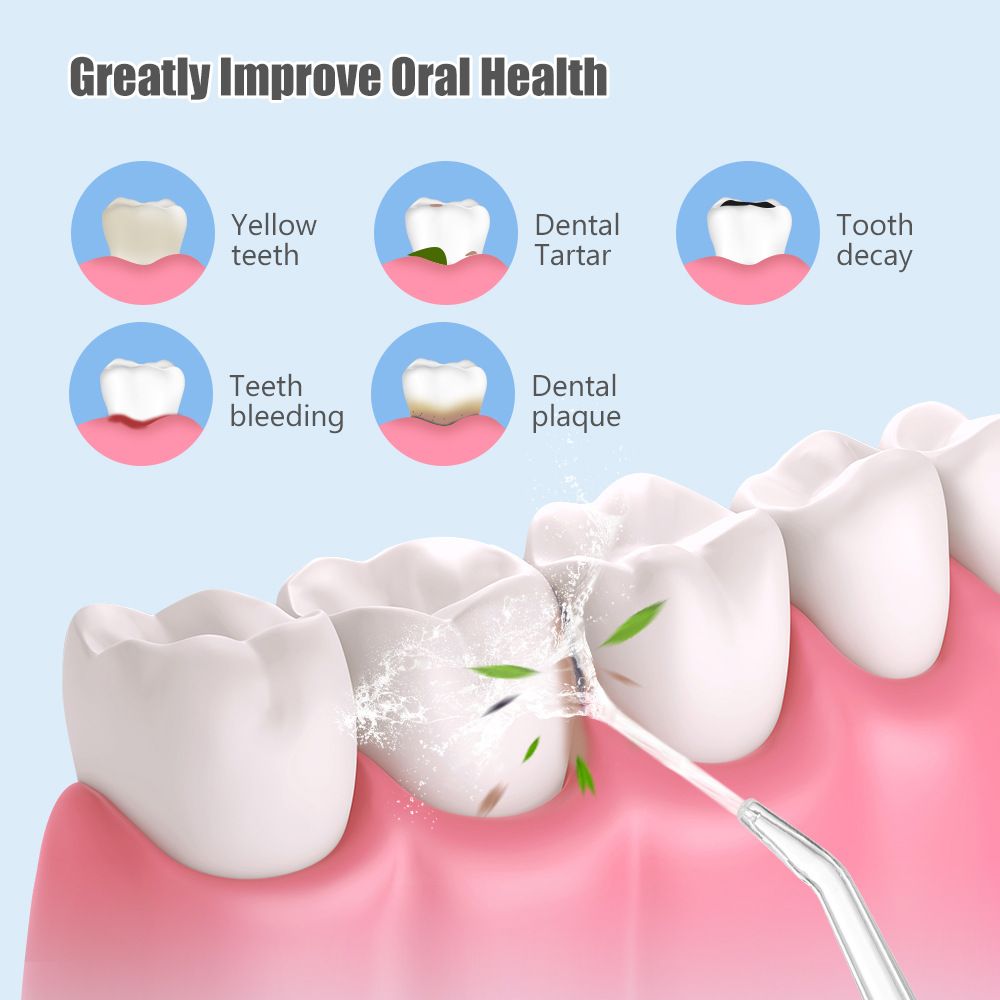
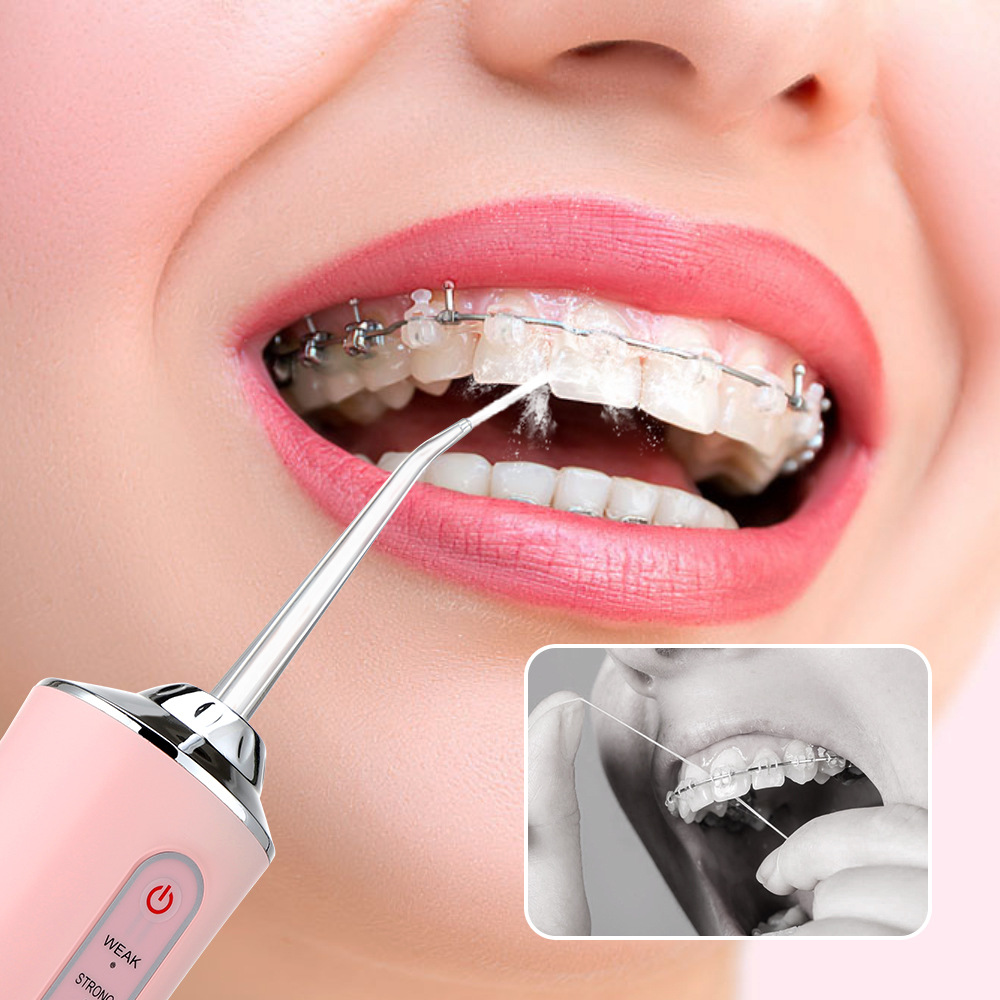
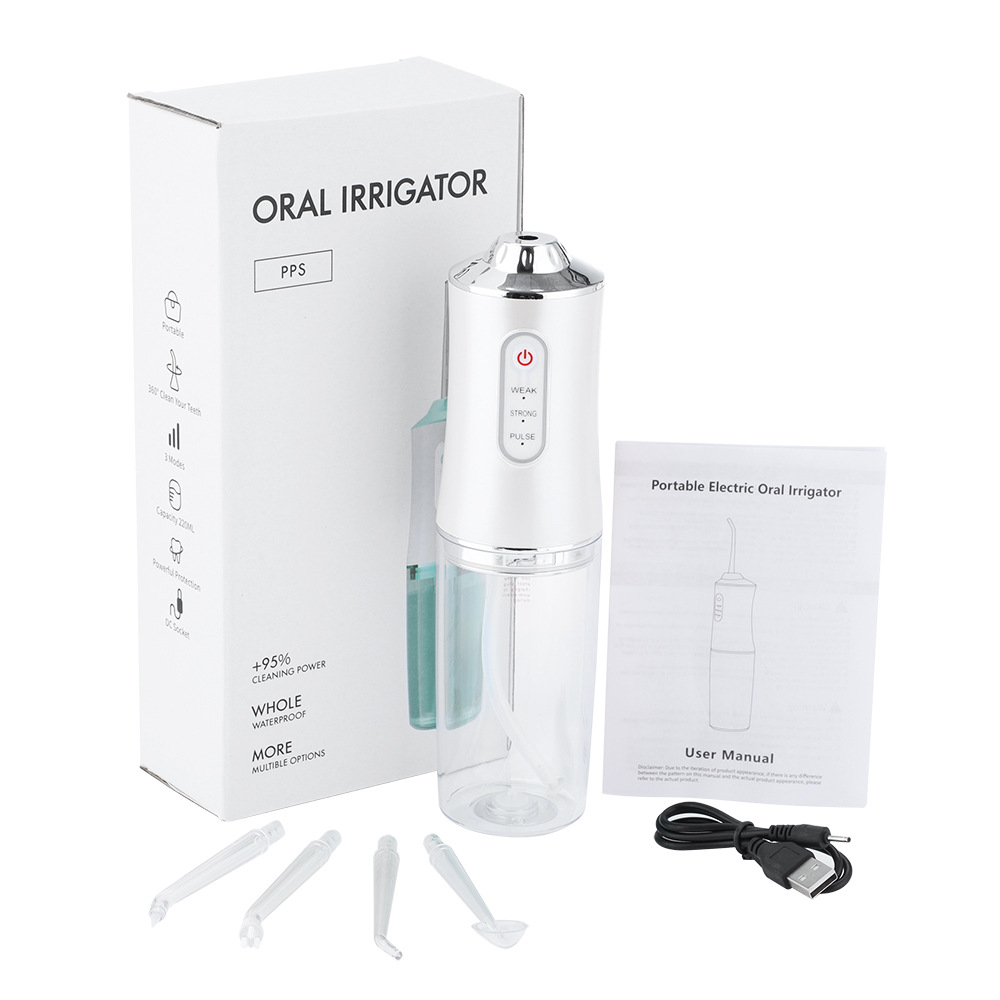
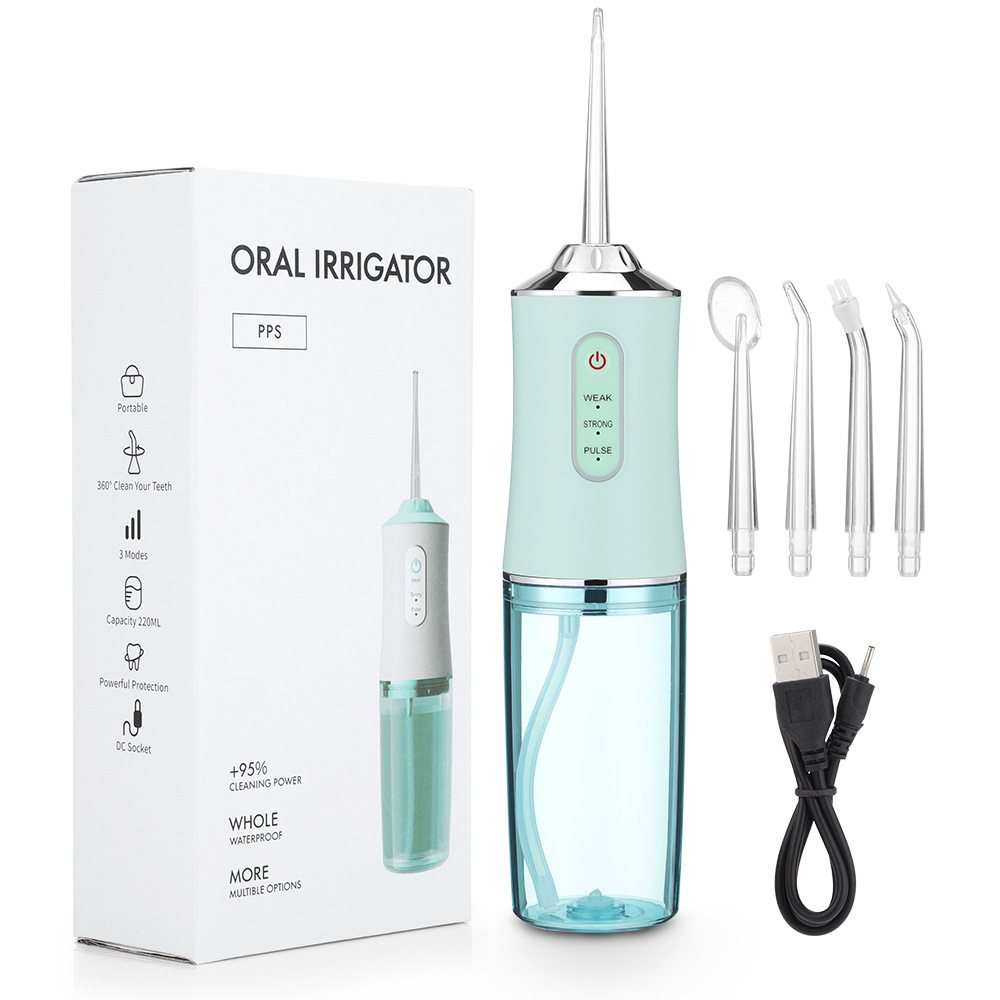
Electric Water Flosser | 220ml | 3-Speed | IPX7 Waterproof | 4...
DF8EE72BB08C454F917918B032E5F7EA
A Complete Clean Every Time — 220ml Electric Water Flosser
Key Features
- 220ml large water tank — enough for a full cleaning session without refilling
- 3 cleaning modes — Cleaning, Gentle & Pulse at 1,400 pulses per minute
- IPX7 waterproof — fully safe for shower use, submersible to 1 metre
- Smart 2-minute auto power-off — protects the motor and ensures consistent session timing
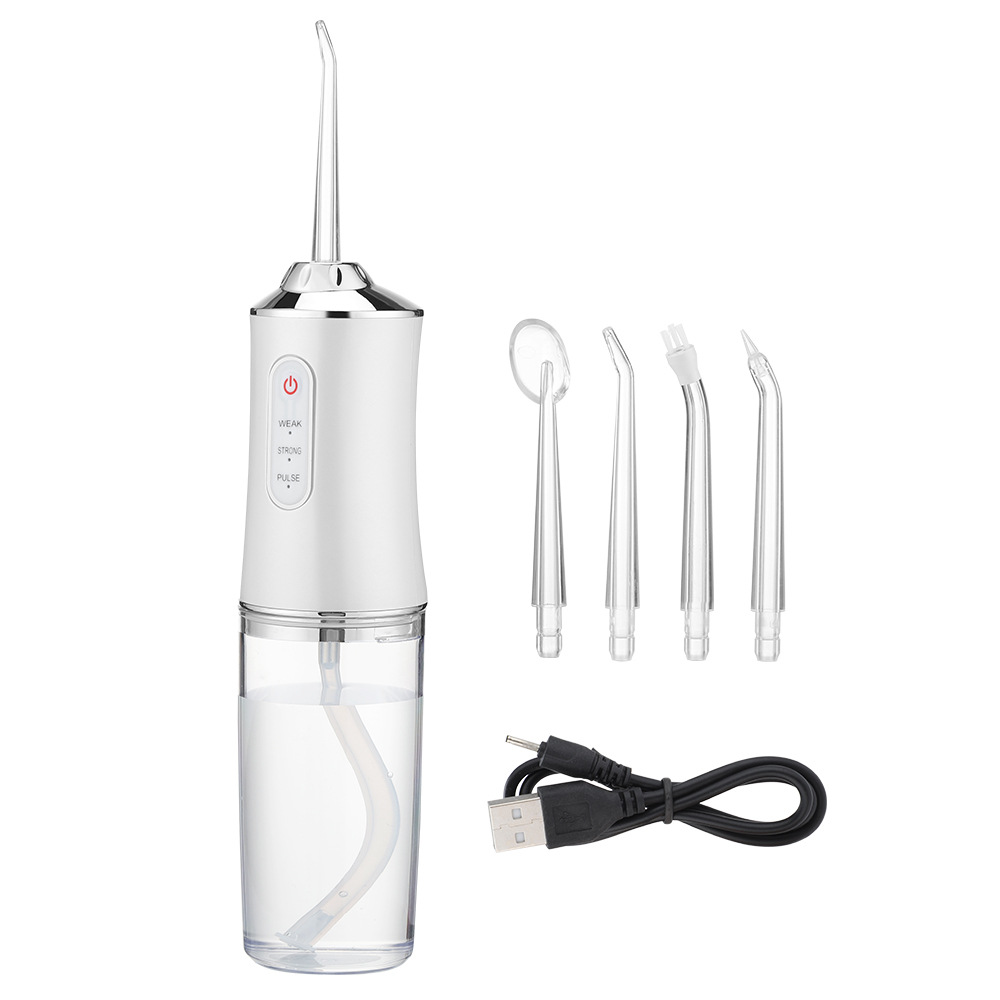
- 1,200mAh rechargeable battery — USB charging included
- 4 replacement nozzles included — ideal for family use
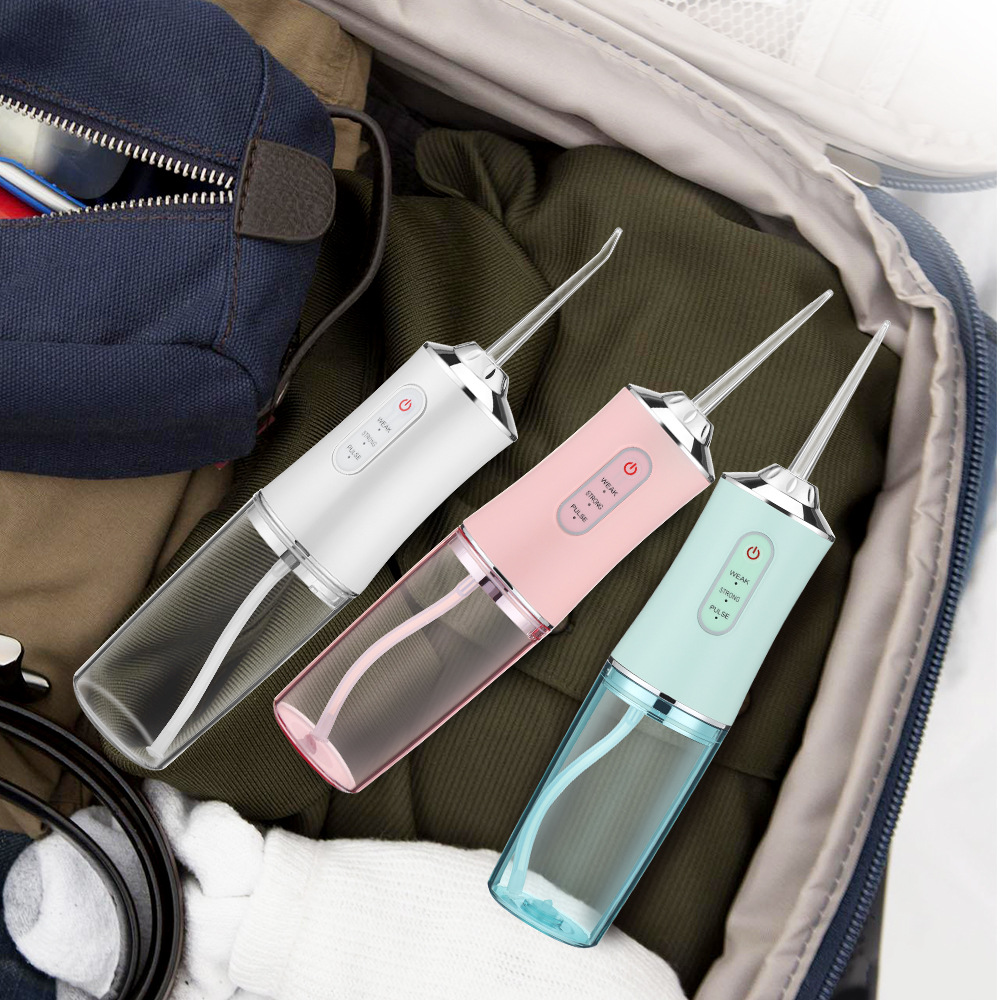
- 3 colour options — White, Pink, and Light Green
⭐ Loved by our customers — see reviews below
Product Details
- Tank capacity: 220ml
- Modes: 3 (Cleaning / Gentle / Pulse)
- Pulse rate: 1,400/min
- Battery: 1,200mAh, USB rechargeable
- Waterproof: IPX7
- Material: ABS
- Colours: White, Pink, Light Green
- Packing list: 1 × Main Unit, 4 × Nozzles, 1 × USB Cable, 1 × Manual
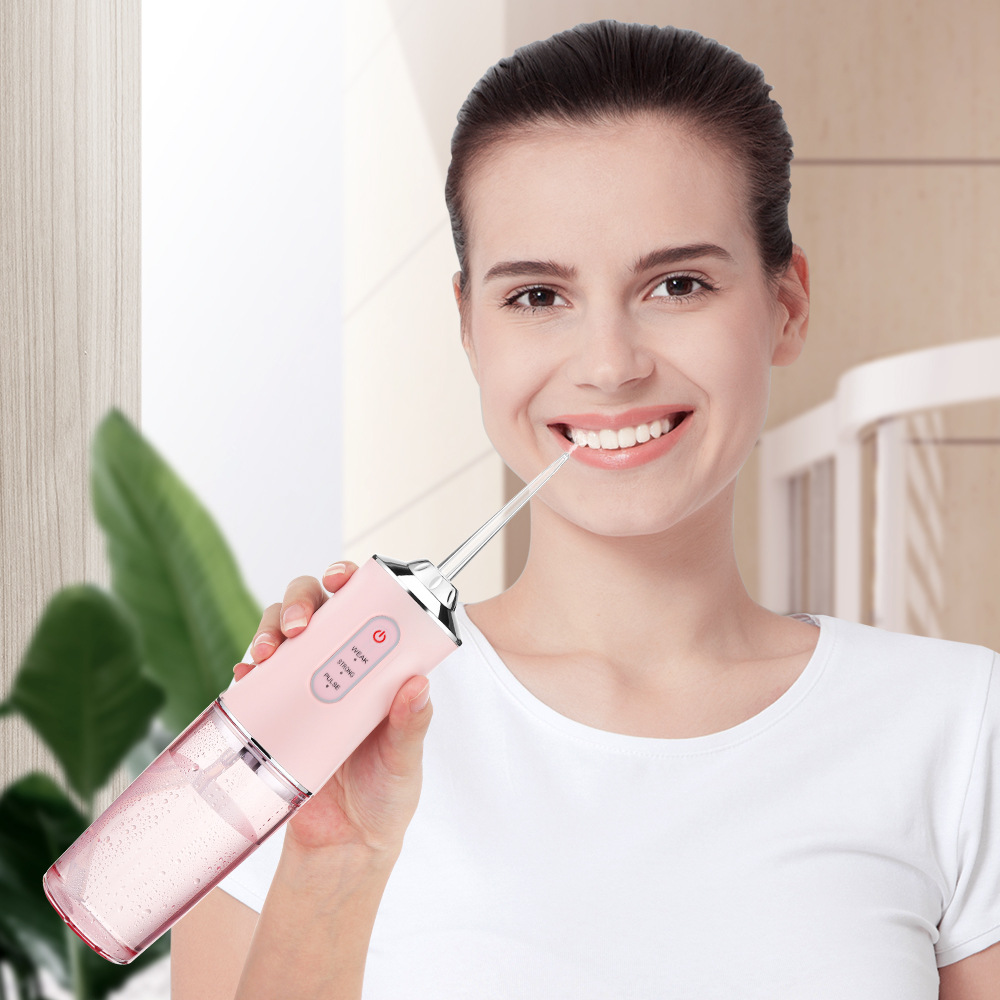
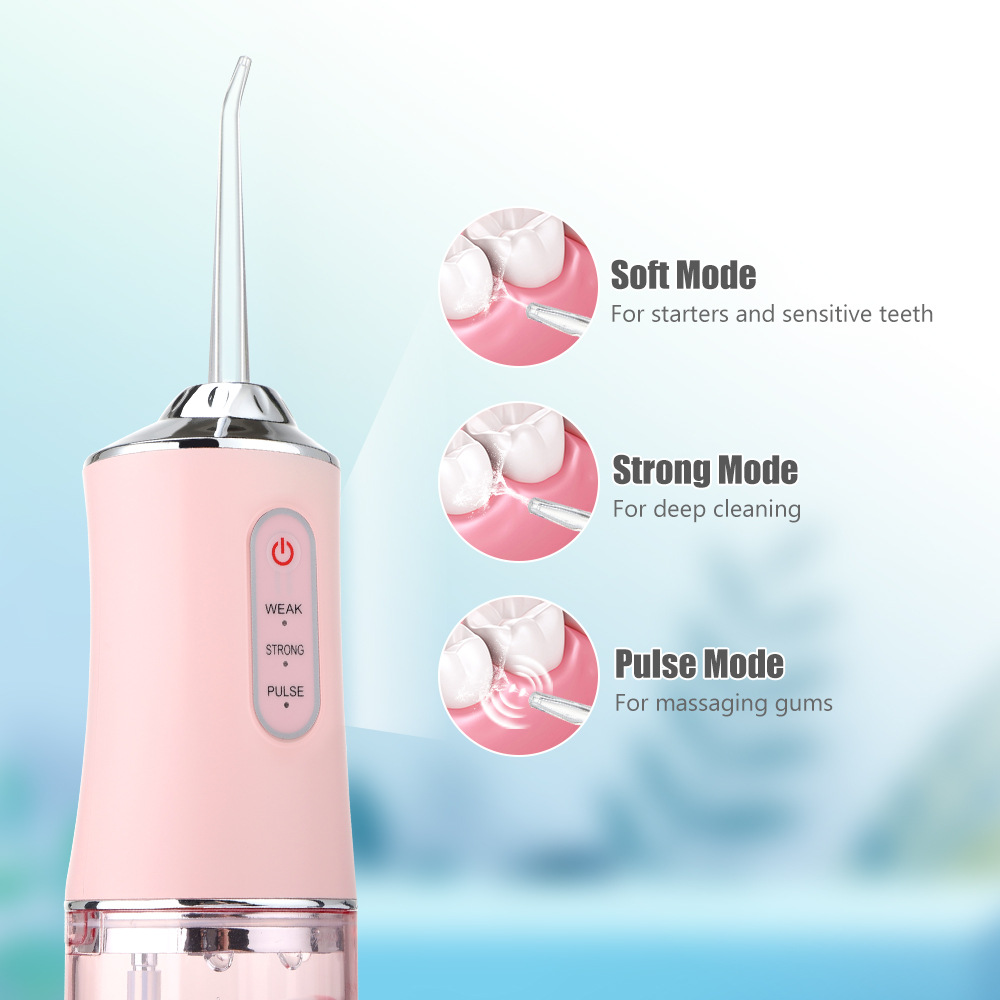
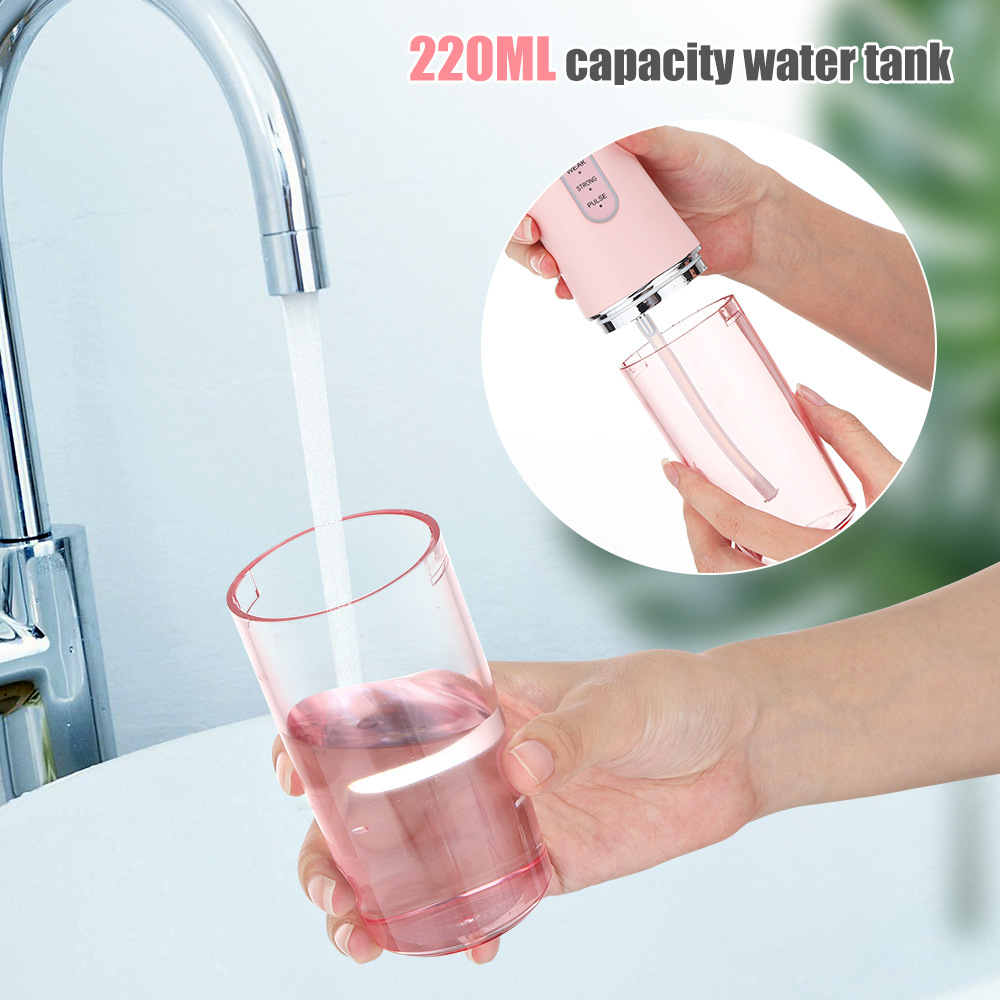

Explore more in our Health & Wellness UK | The Gentleman UK | The Gift Oracle
Free UK delivery on all orders. Order today.


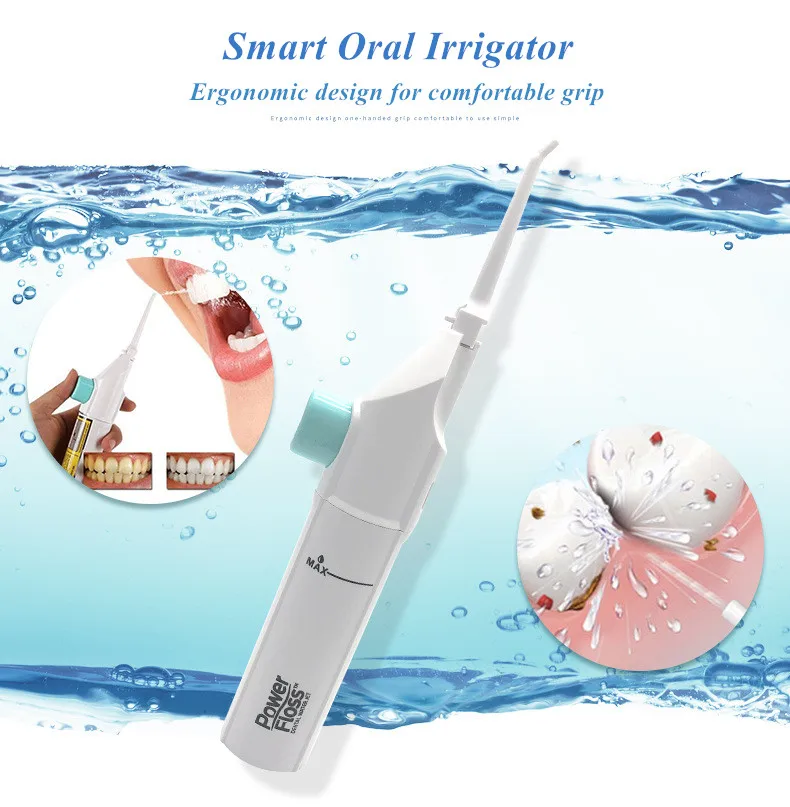
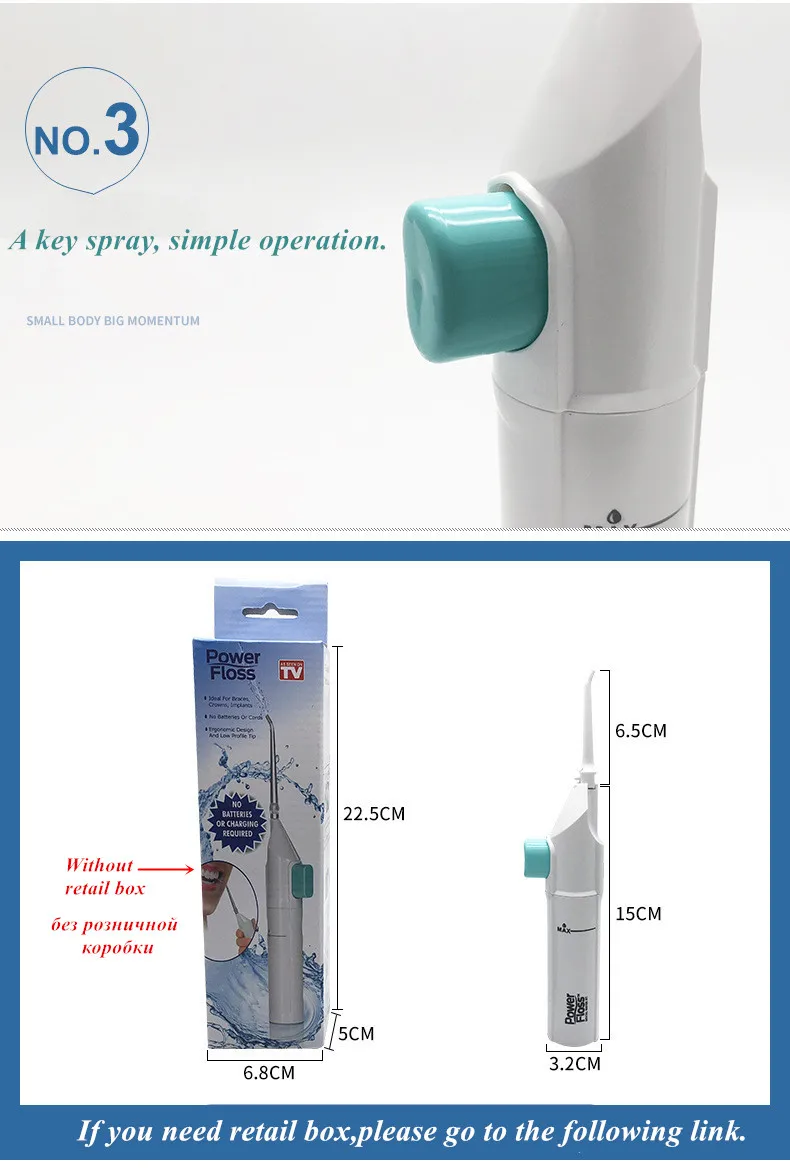
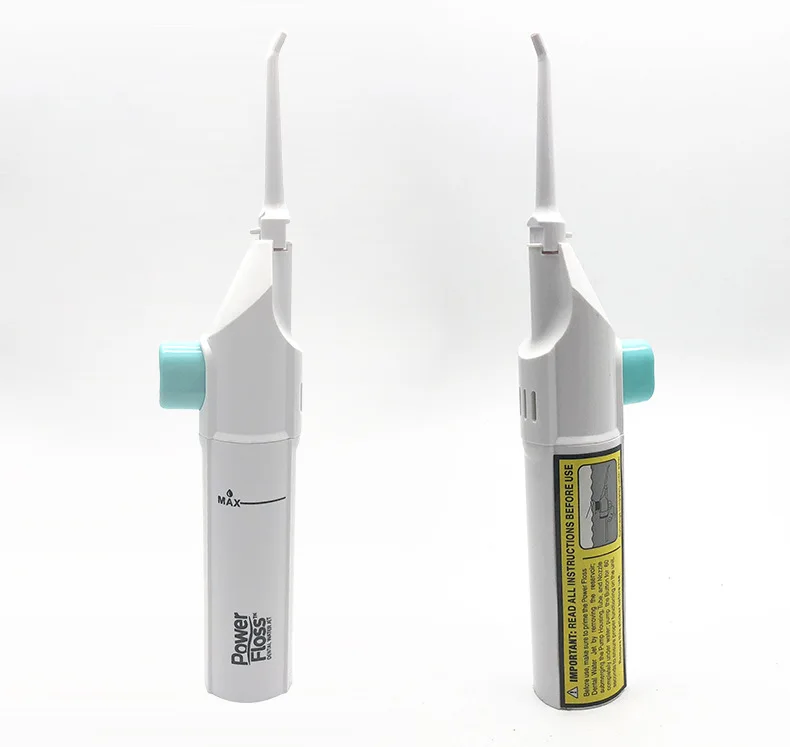
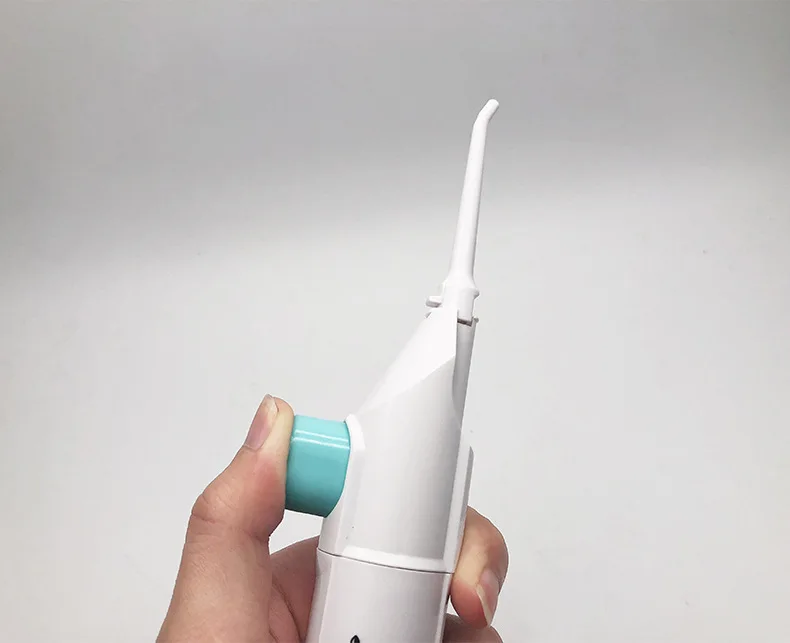
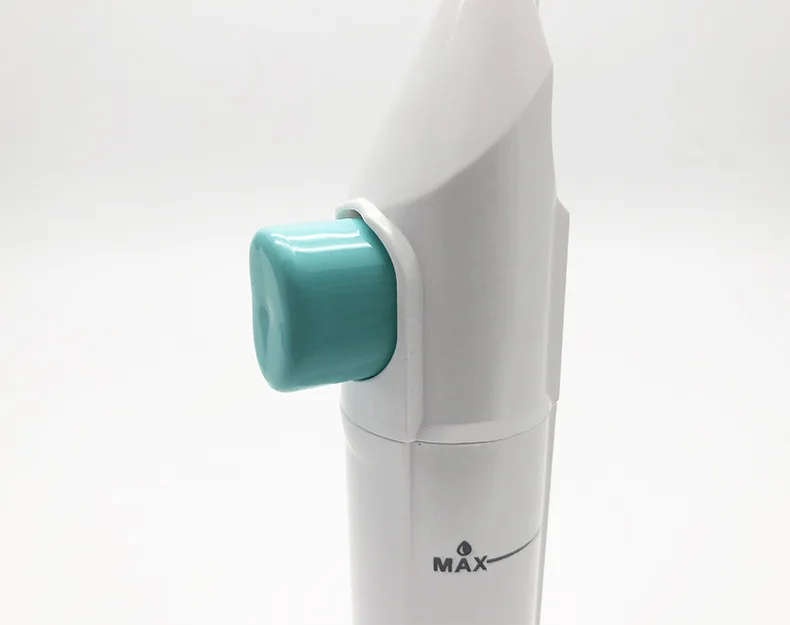
Portable Oral Water Flosser | Battery-Free | Compact Jet Cleaner | UK
C49365E4DB84446D9DA104A6CC4FA42F
Simple, Effective Flossing — No Batteries, No Charging
Key Features
- Battery-free operation — no charging or batteries needed; simple and ready to use
- Compact water jet — directs a precise stream between teeth for a thorough clean
- Portable design — lightweight and easy to take anywhere
- English manual included
⭐ Loved by our customers — see reviews below
Product Details
- Power: Battery-free
- Packing list: 1 × Water Jet Irrigator, 1 × English Manual


Explore more in our Health & Wellness UK | The Gentleman UK | The Gift Oracle
Free UK delivery on all orders. Order today.


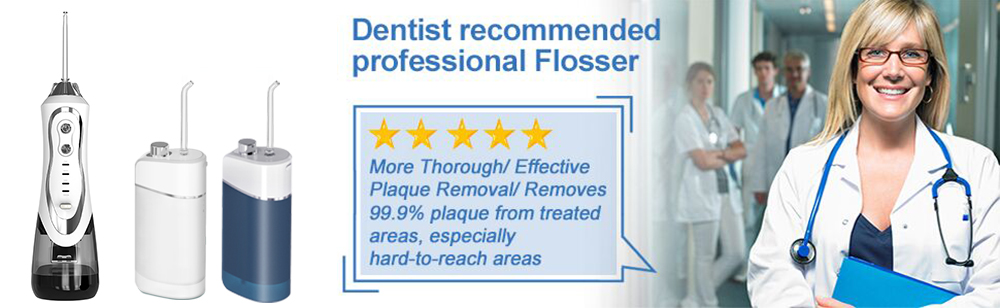
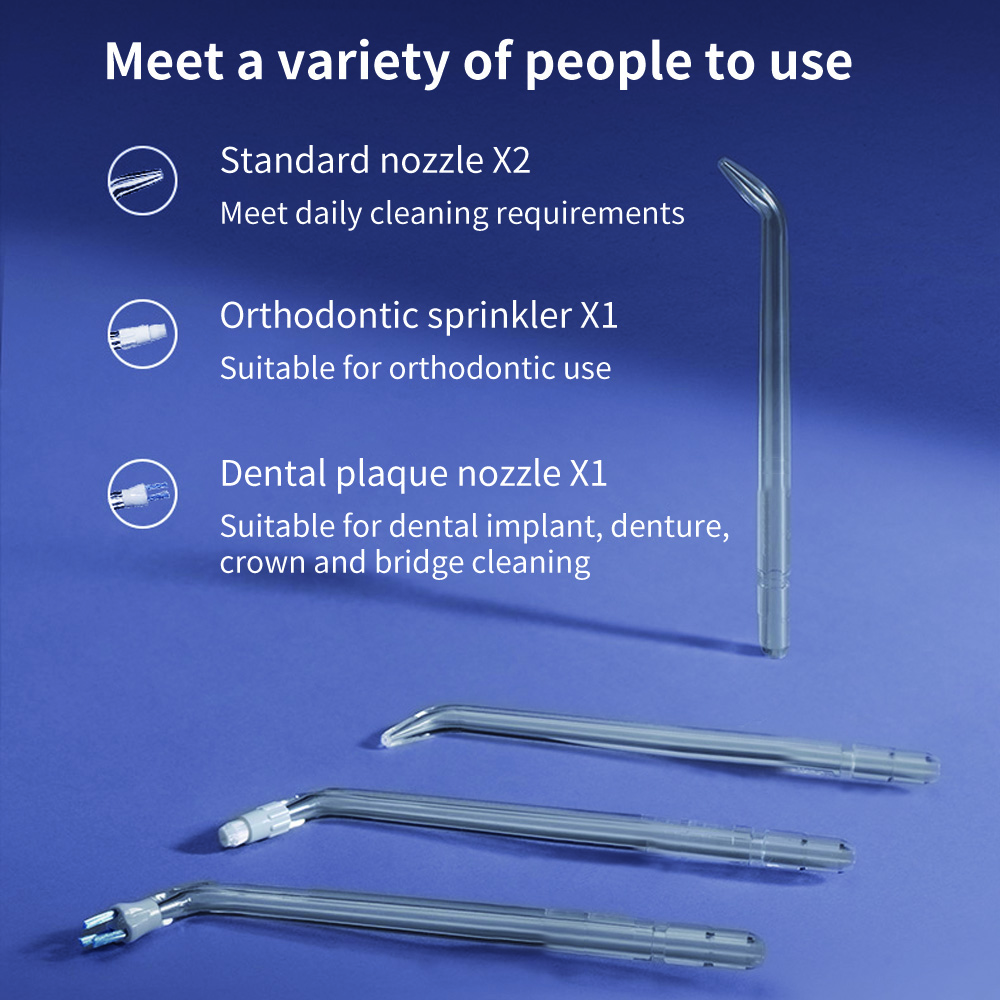
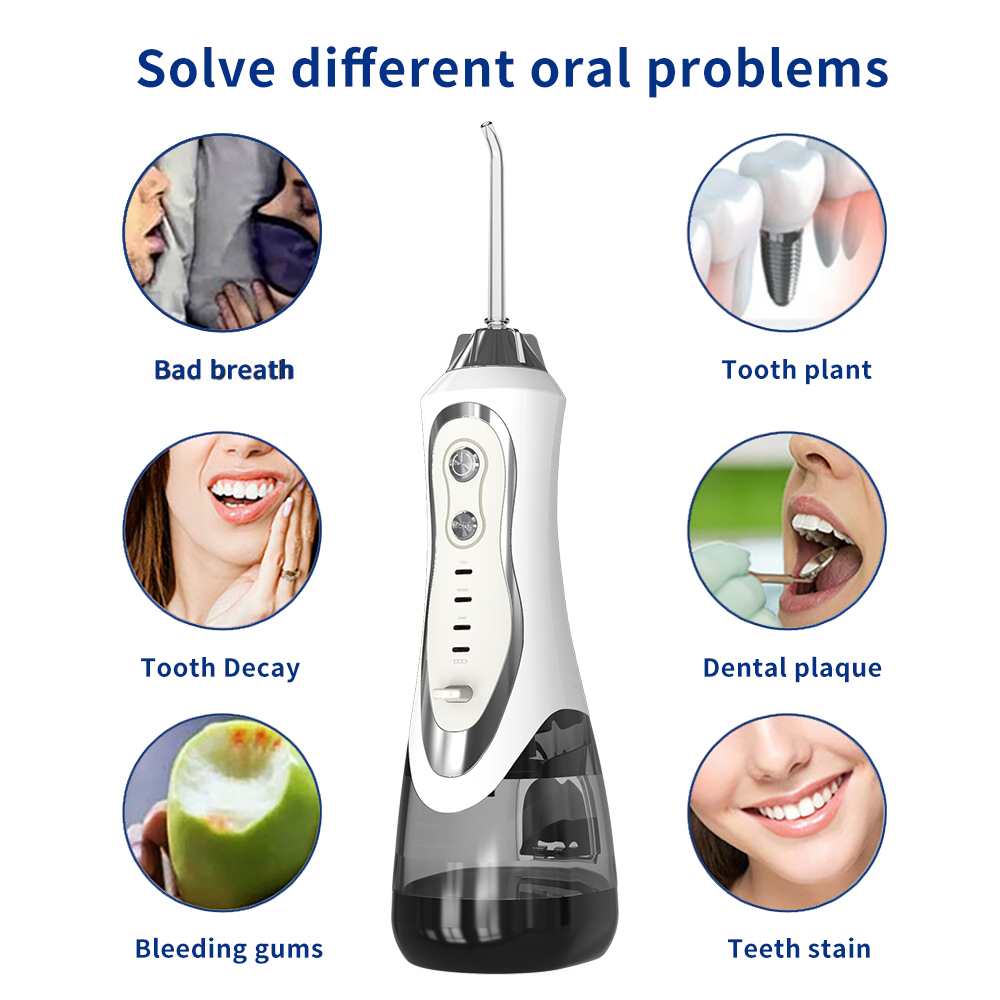
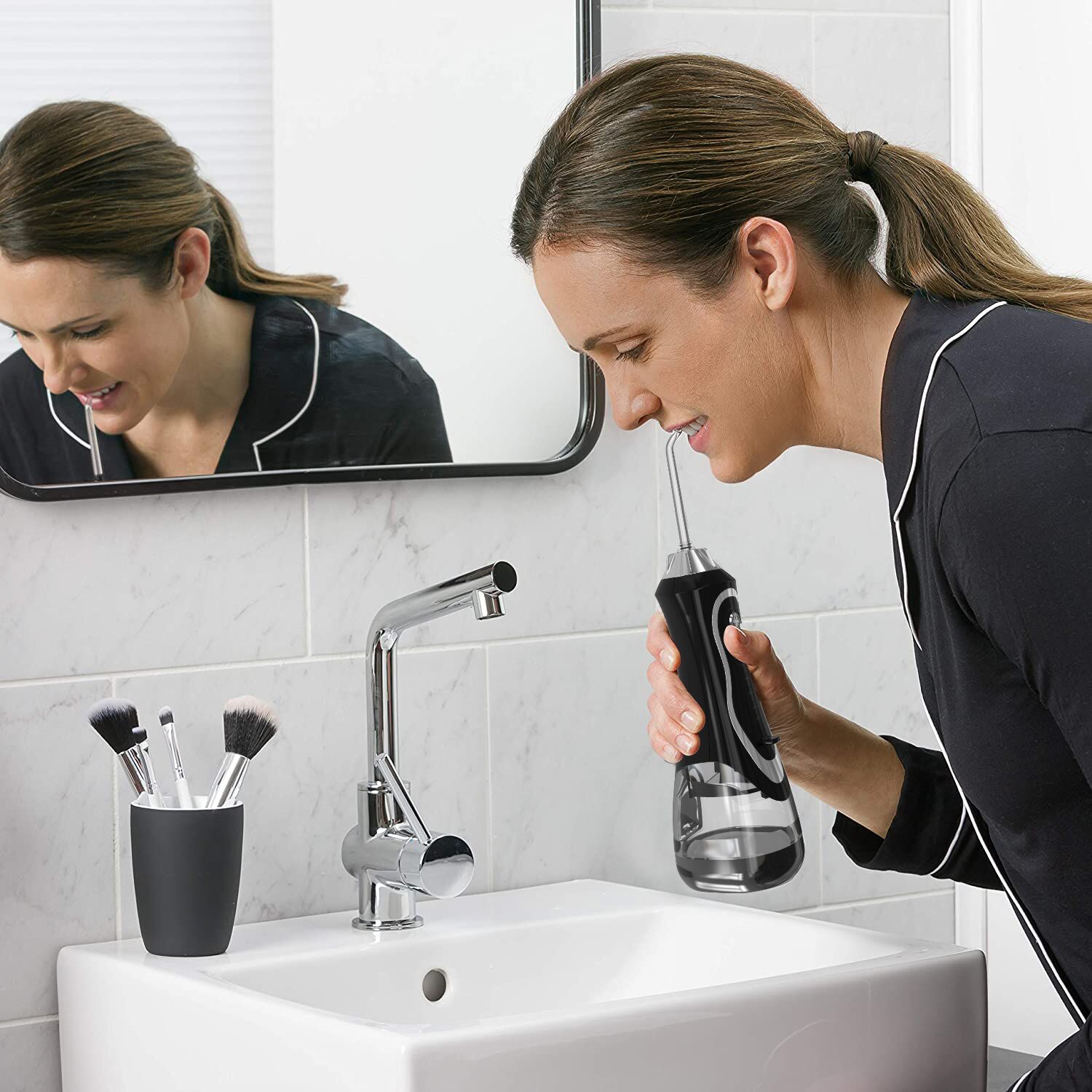
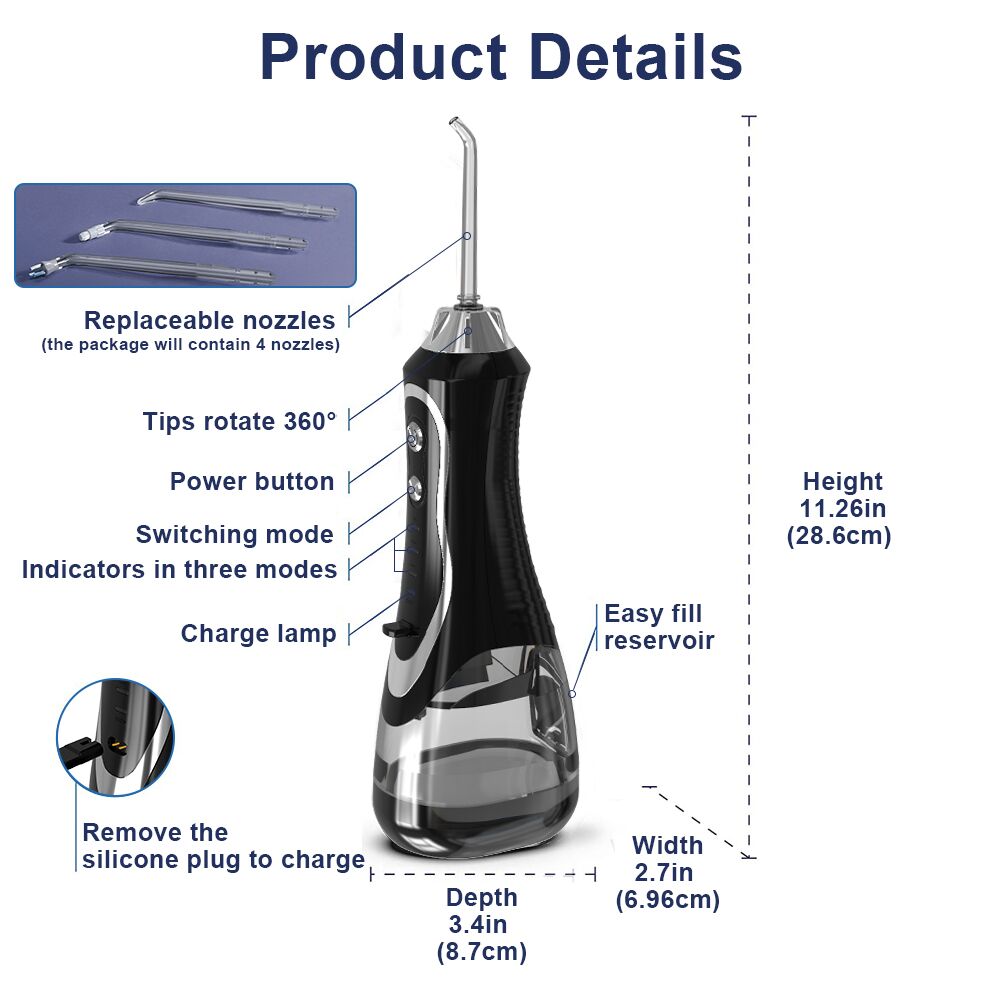
High-Frequency Pulse Water Flosser | 300ml | IPX7 | 1,800...
AE42E6F83B4E4D0F986E85B481F60A9D
One Charge, One Month of Flossing — 300ml High-Frequency Pulse Flosser
Key Features
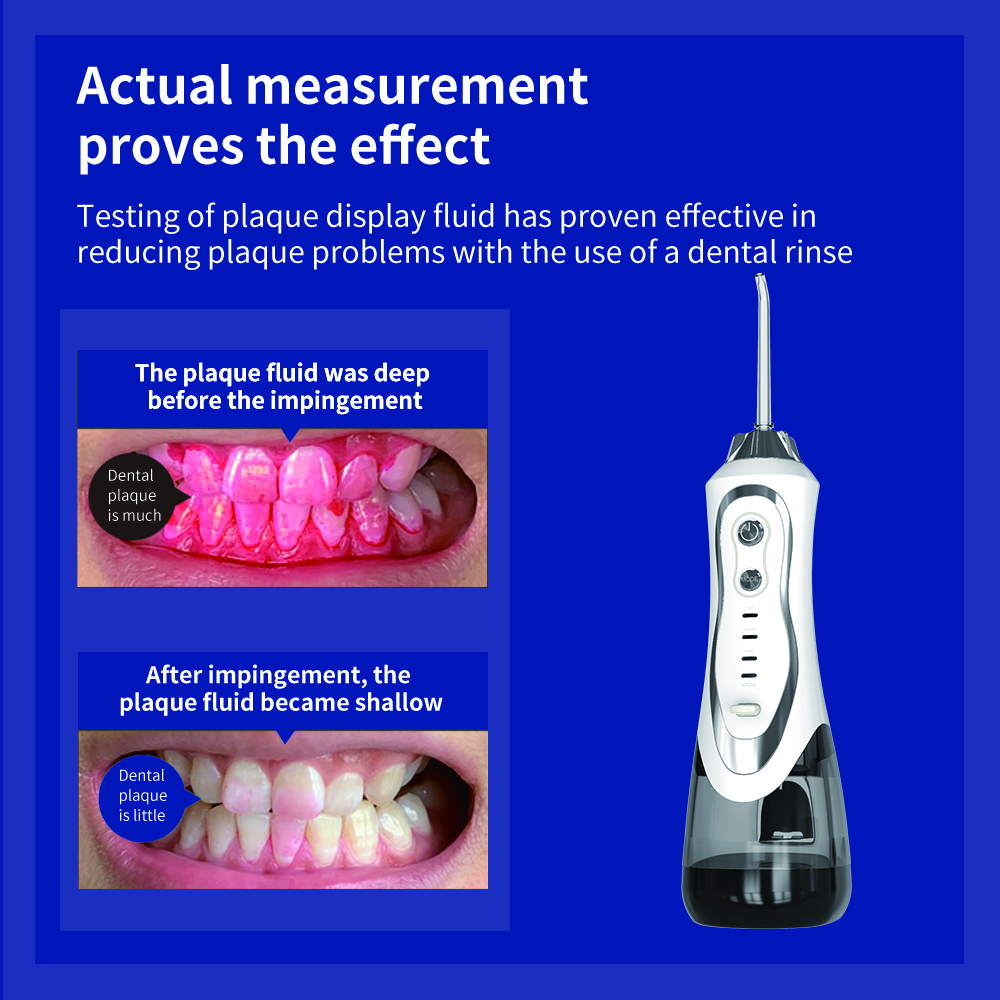
- 1,800 pulses per minute — high-frequency water jet clears debris between teeth with precision
- 300ml large water tank — no need to refill mid-session
- Long-lasting battery — a single charge lasts approximately one month of daily use
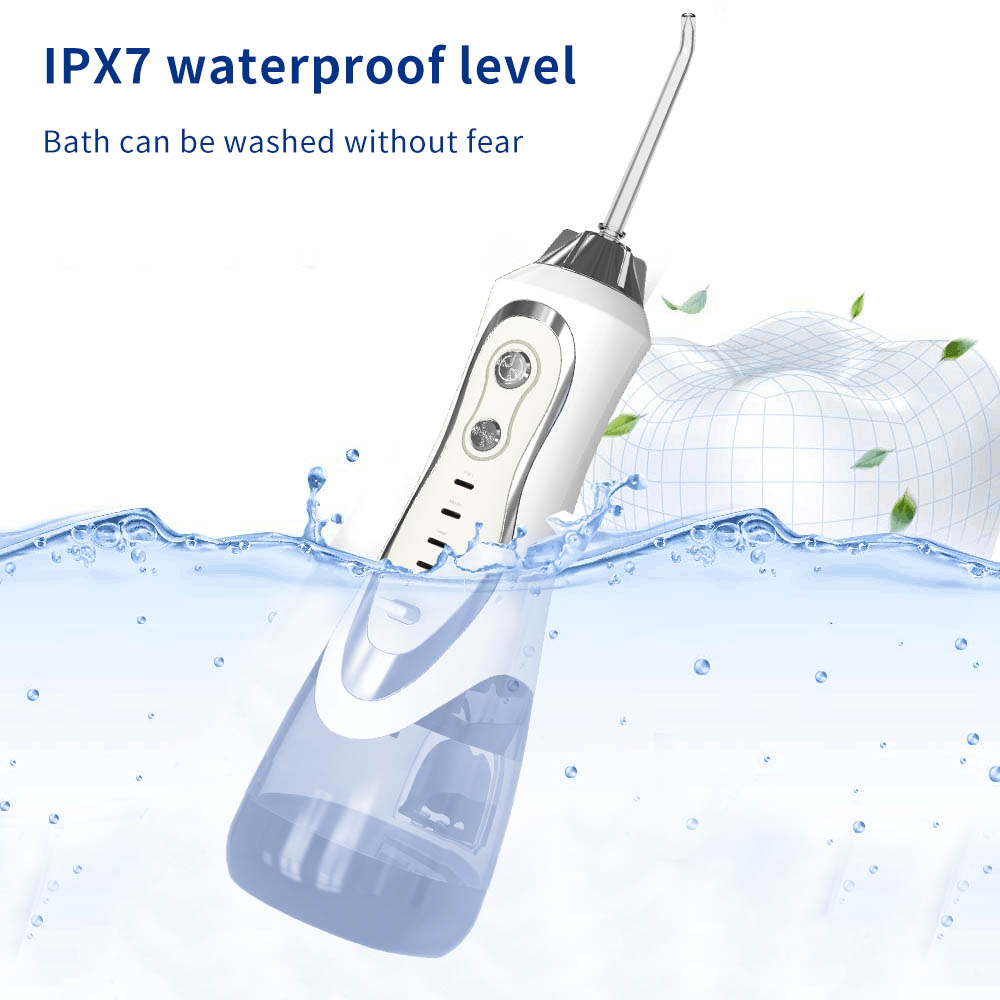
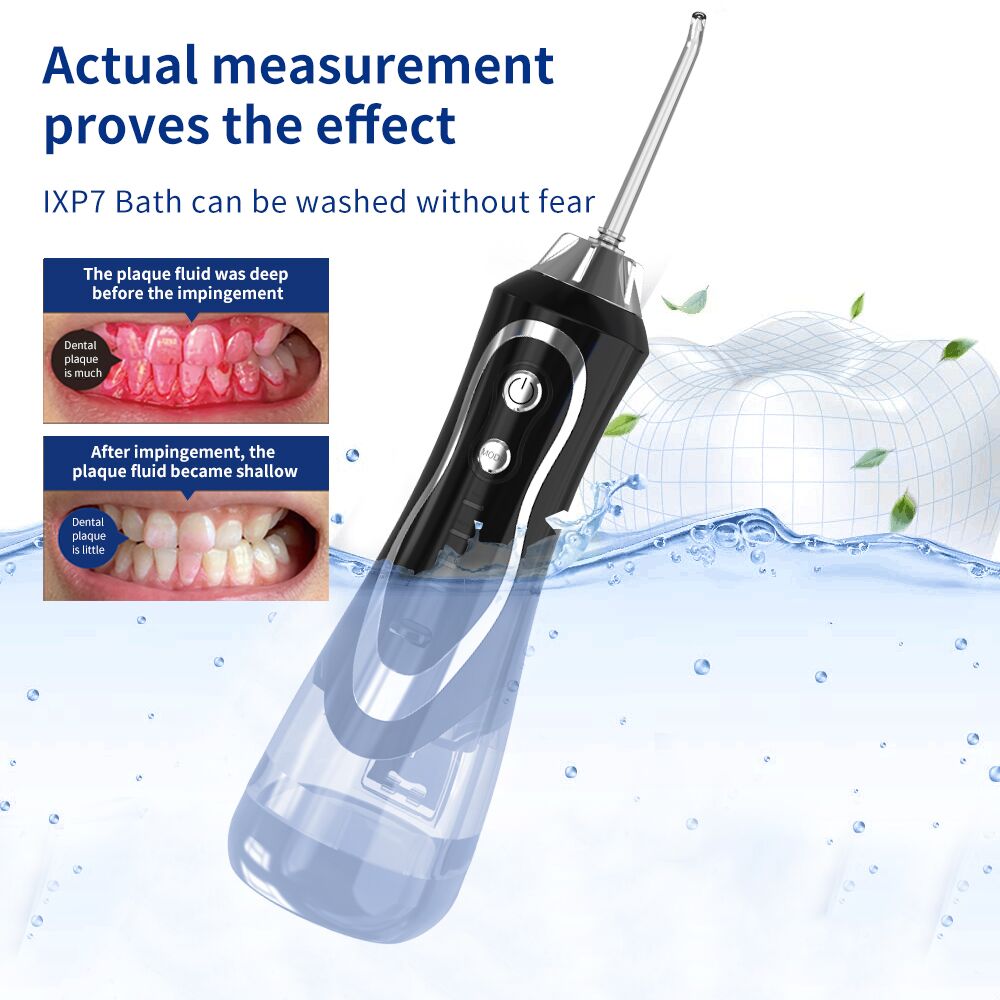
- Full-body IPX7 waterproof — safe for use in the shower
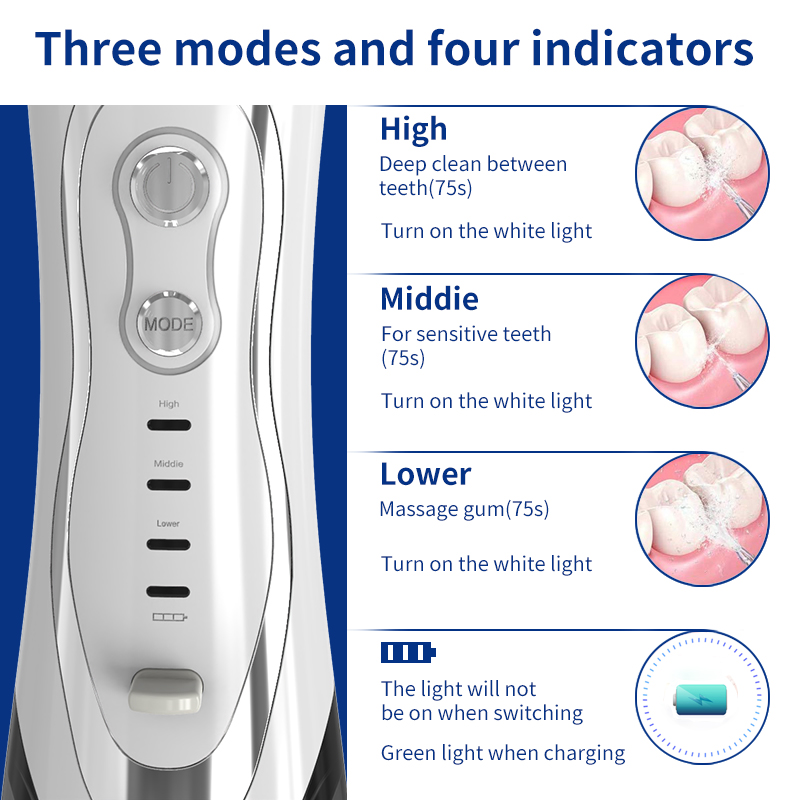
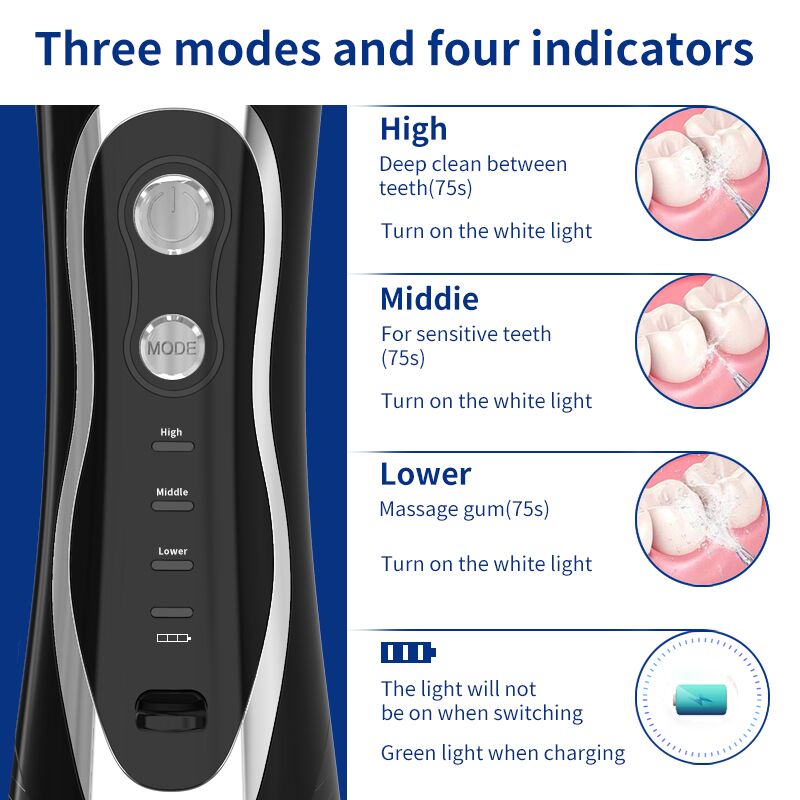
- Smart 2-minute timer — intelligent memory chip automatically restores your last mode on next use
- 45–130 PSI adjustable pressure — gentle to powerful, suitable for all preferences
- 2 colour options — Black and White
⭐ Loved by our customers — see reviews below
Product Details
- Model: BPF-01
- Tank: 300ml
- Pressure: 45–130 PSI
- Battery: 1,100mAh, 3.7V
- Waterproof: IPX7
- Dimensions (with nozzle): 6.9 × 8.7 × 28.6cm
- Colours: Black, White
Explore more in our Health & Wellness UK | The Gentleman UK | The Gift Oracle
Free UK delivery on all orders. Order today.


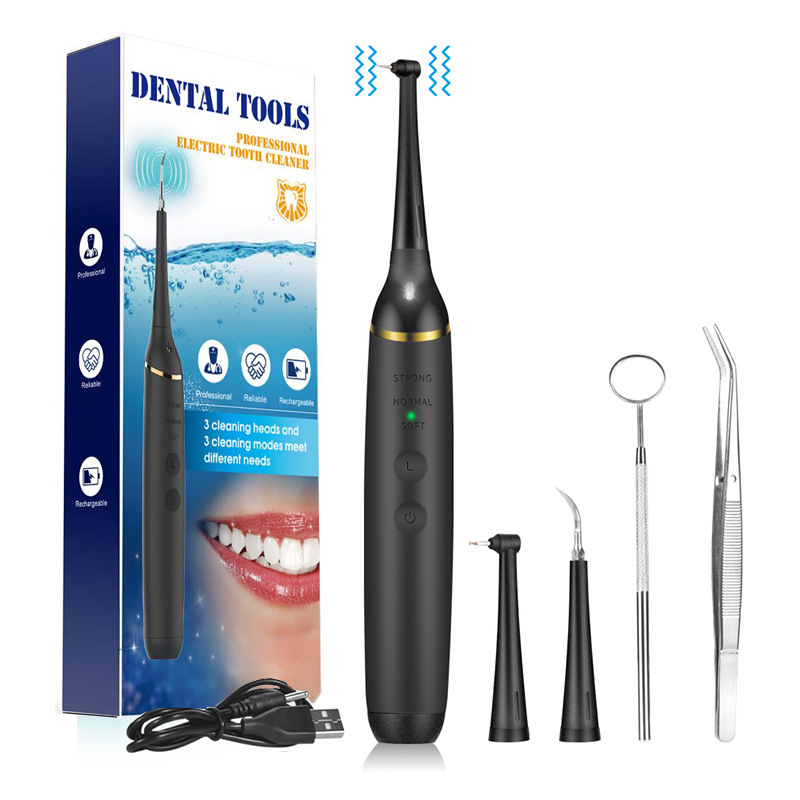
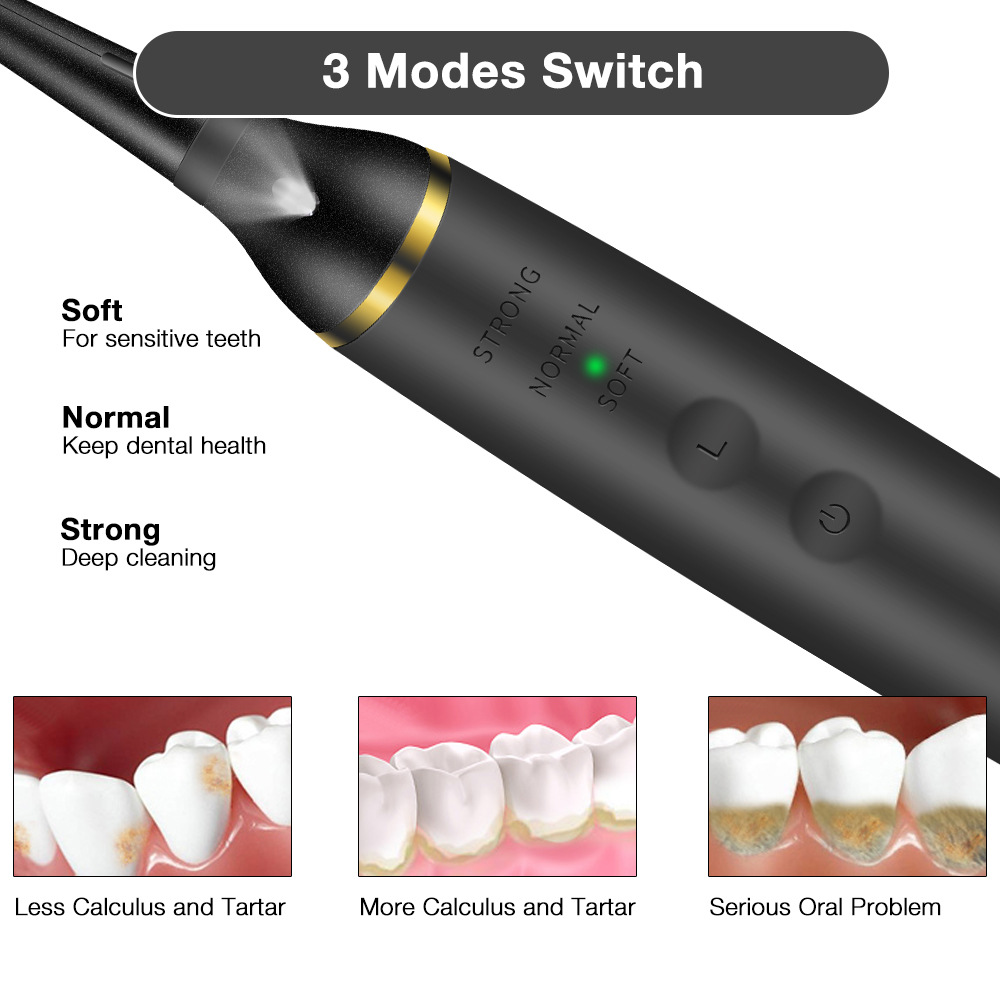
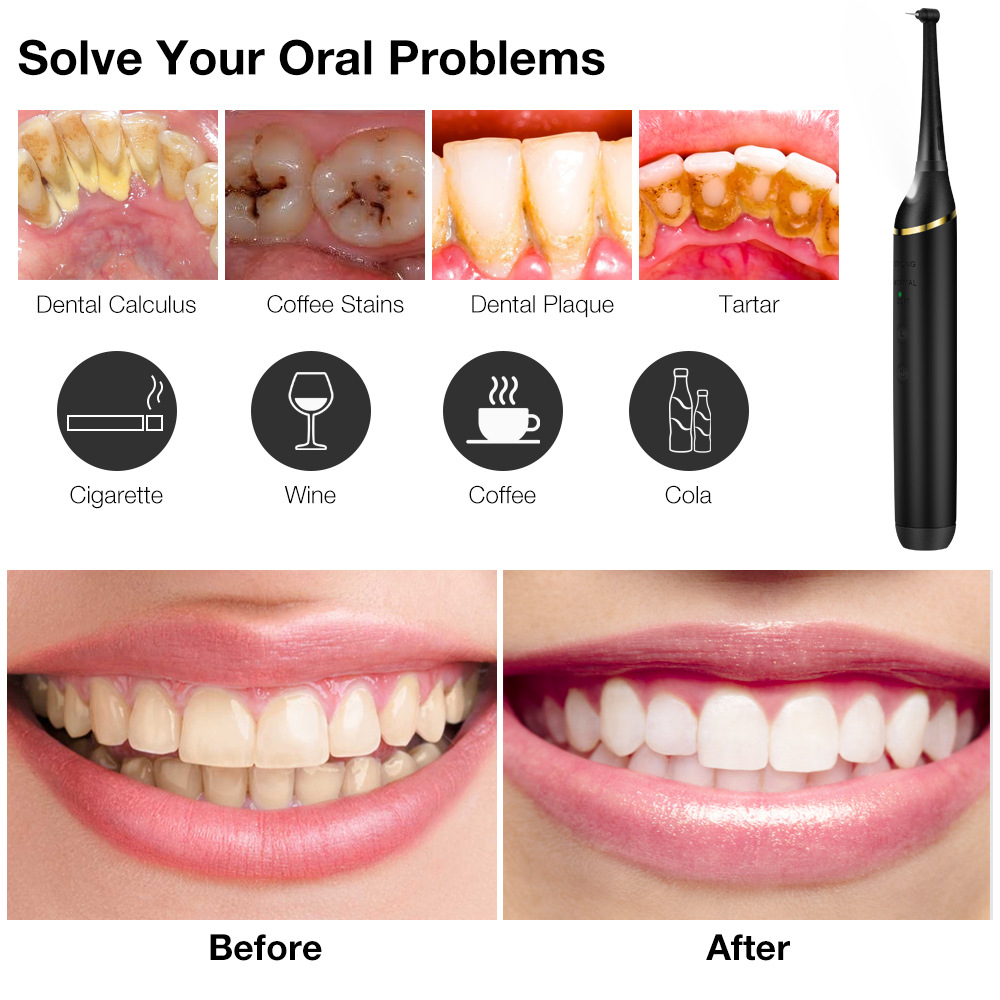
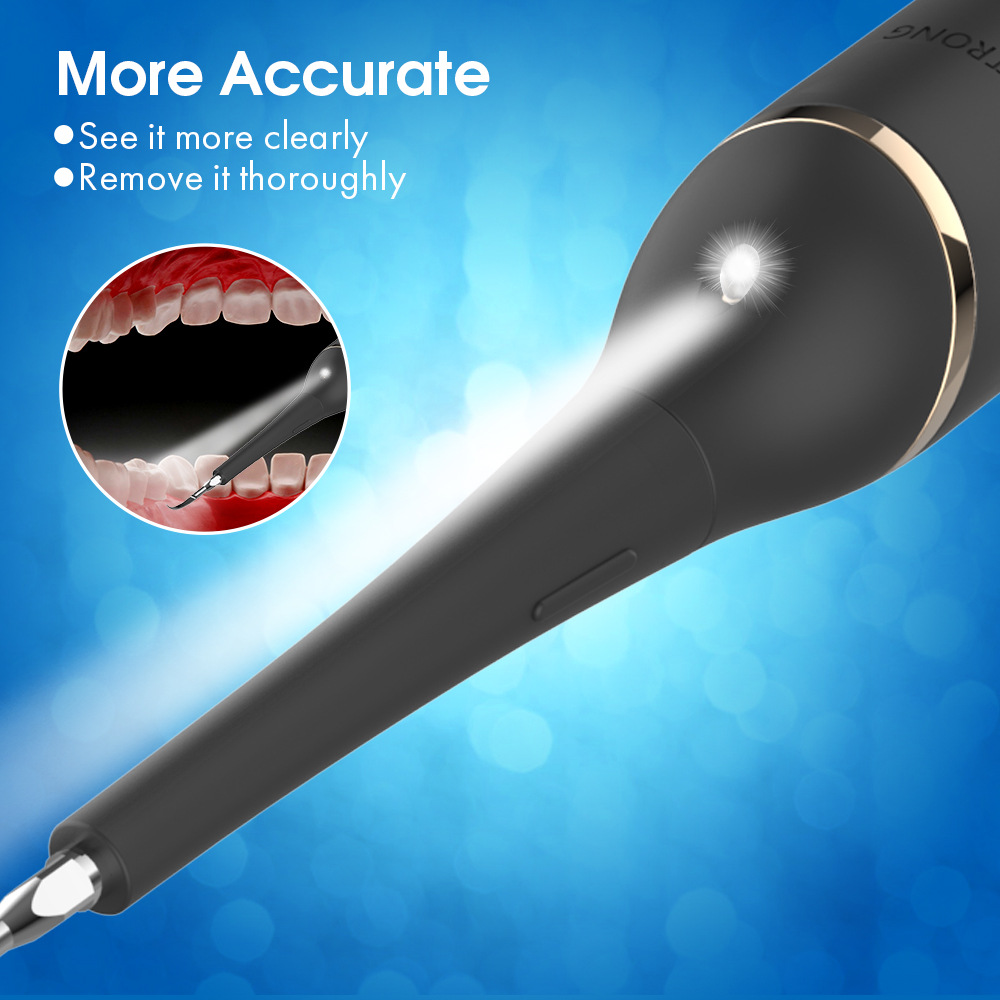
Portable Electric Tooth Cleaning Scaler | LED Light | IPX6 | 3...
4049A8E412A045B3A1D94F0380D8A657
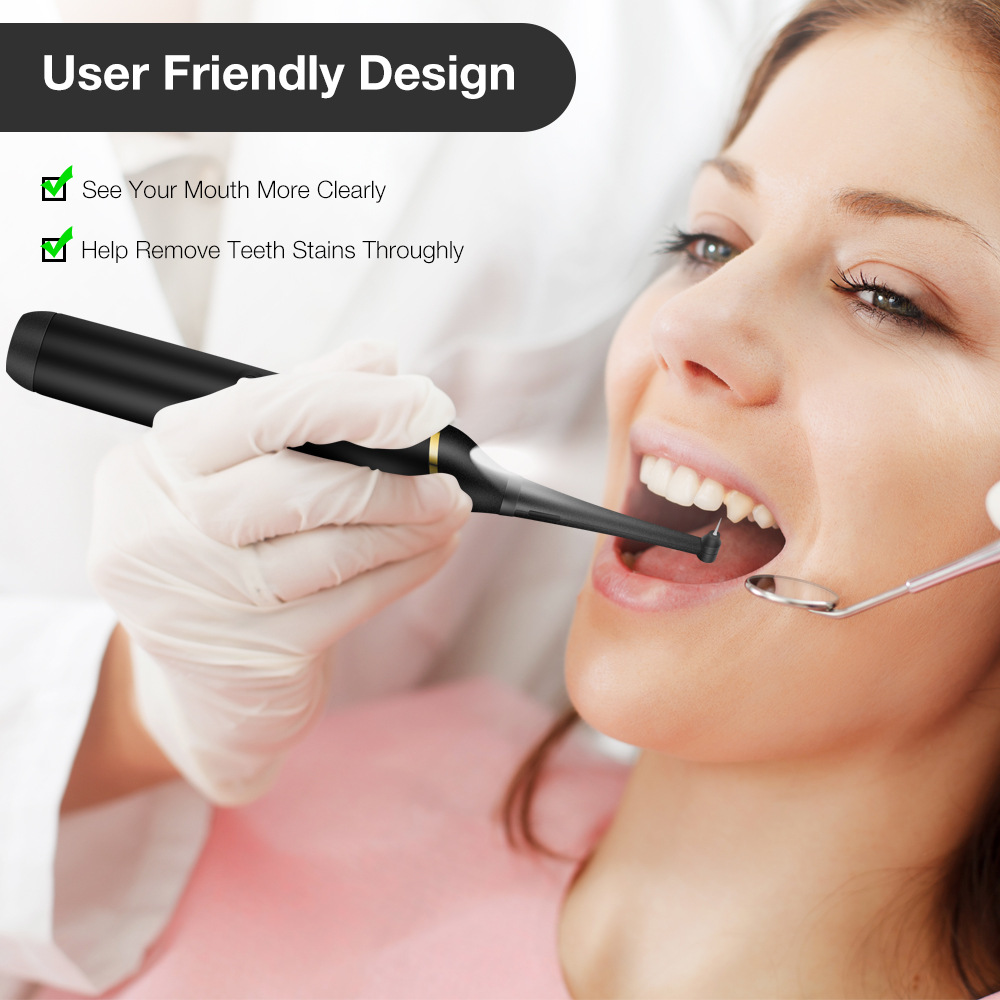
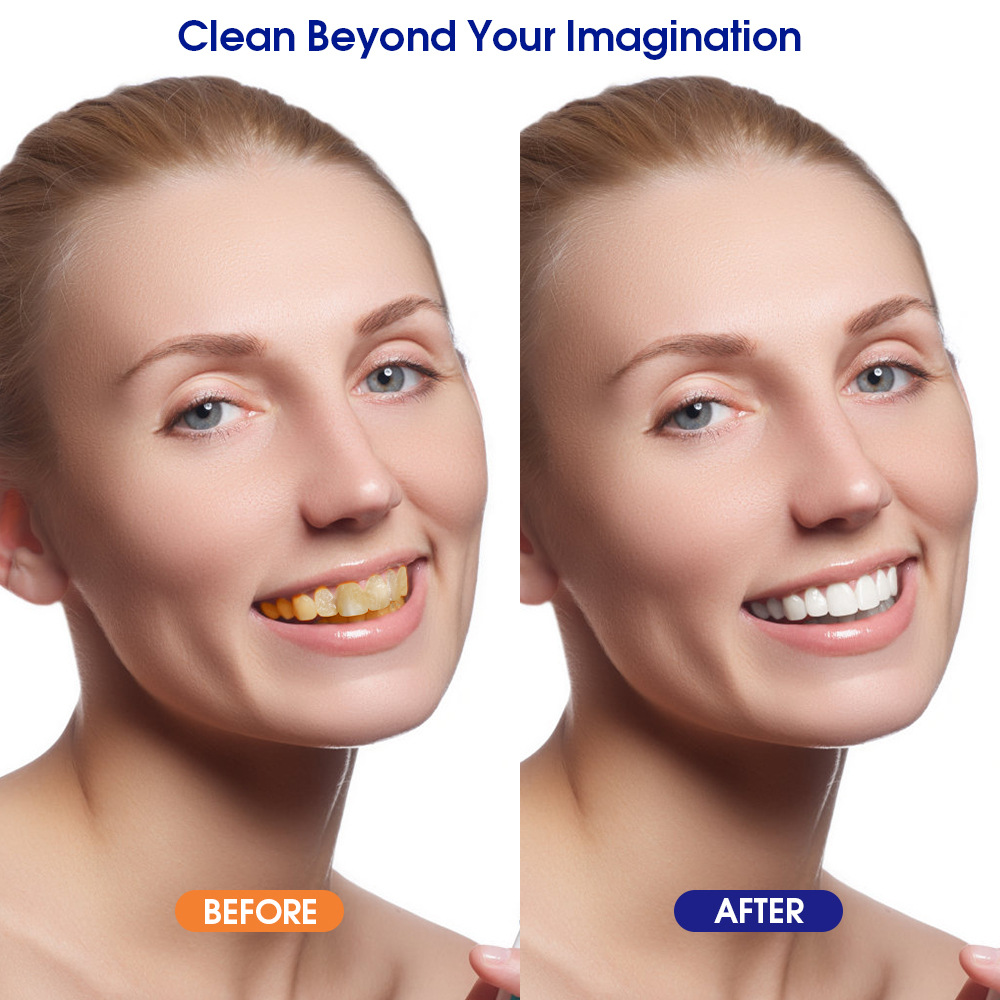
Precision Tooth Cleaning at Home — LED-Lit, Waterproof & Rechargeable
Key Features
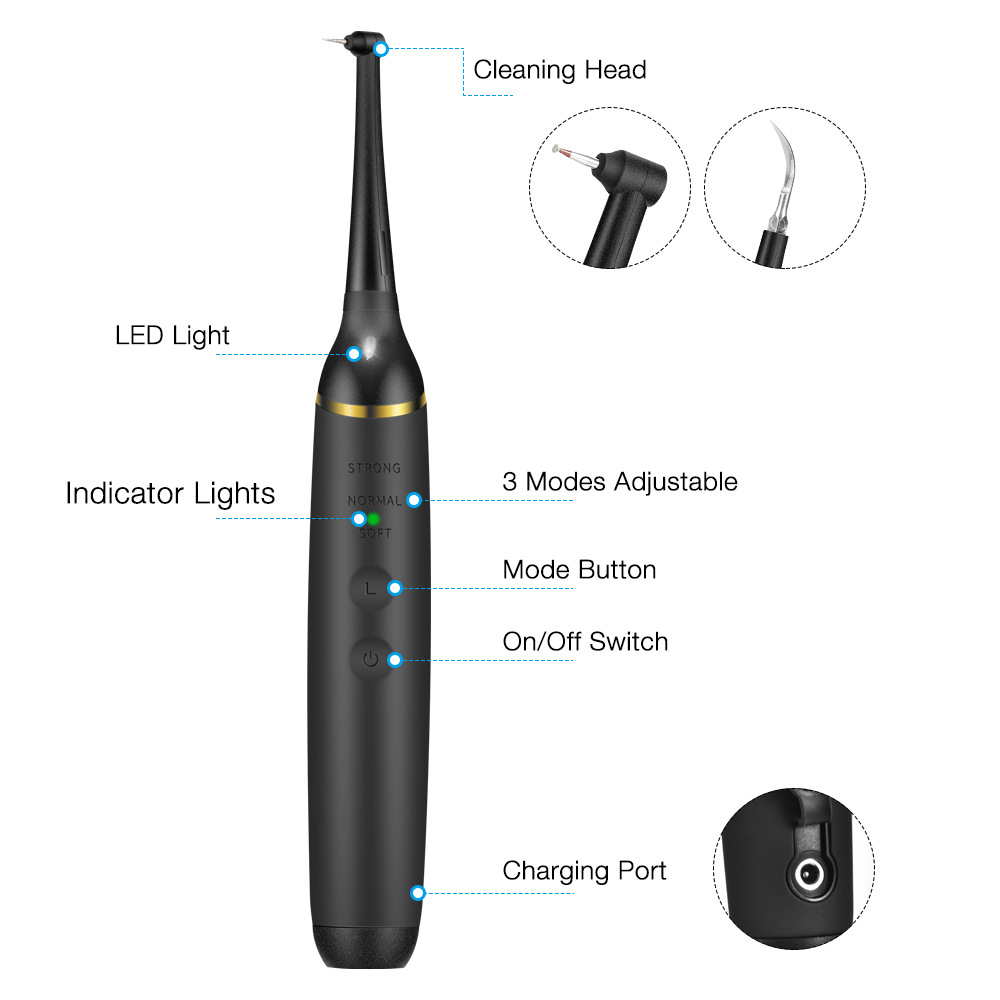
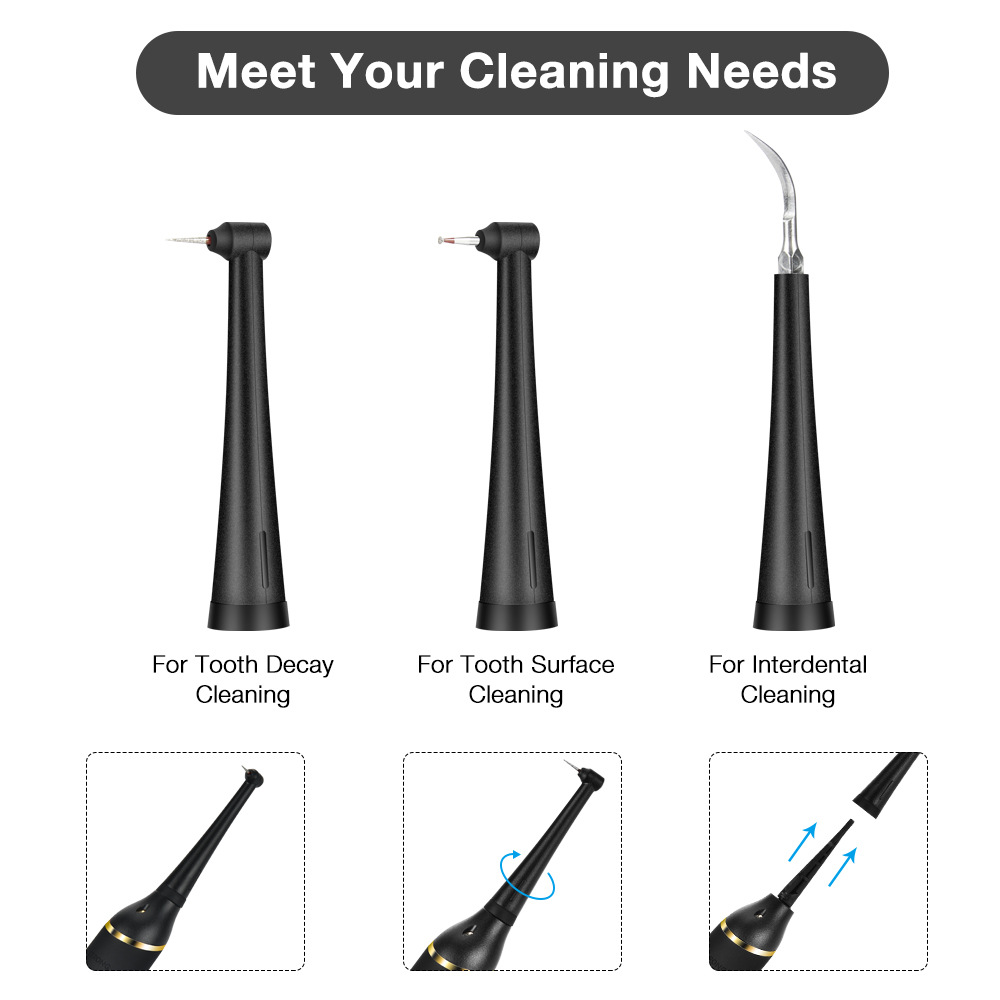
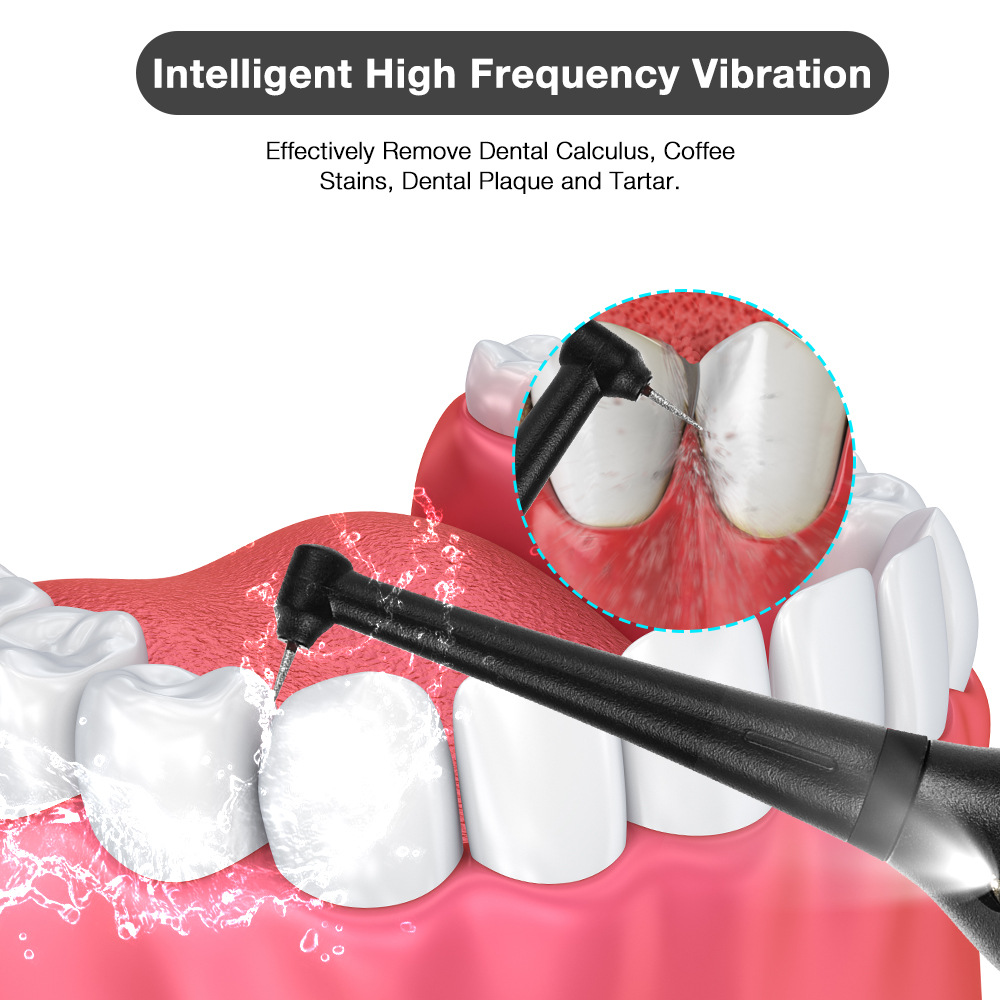
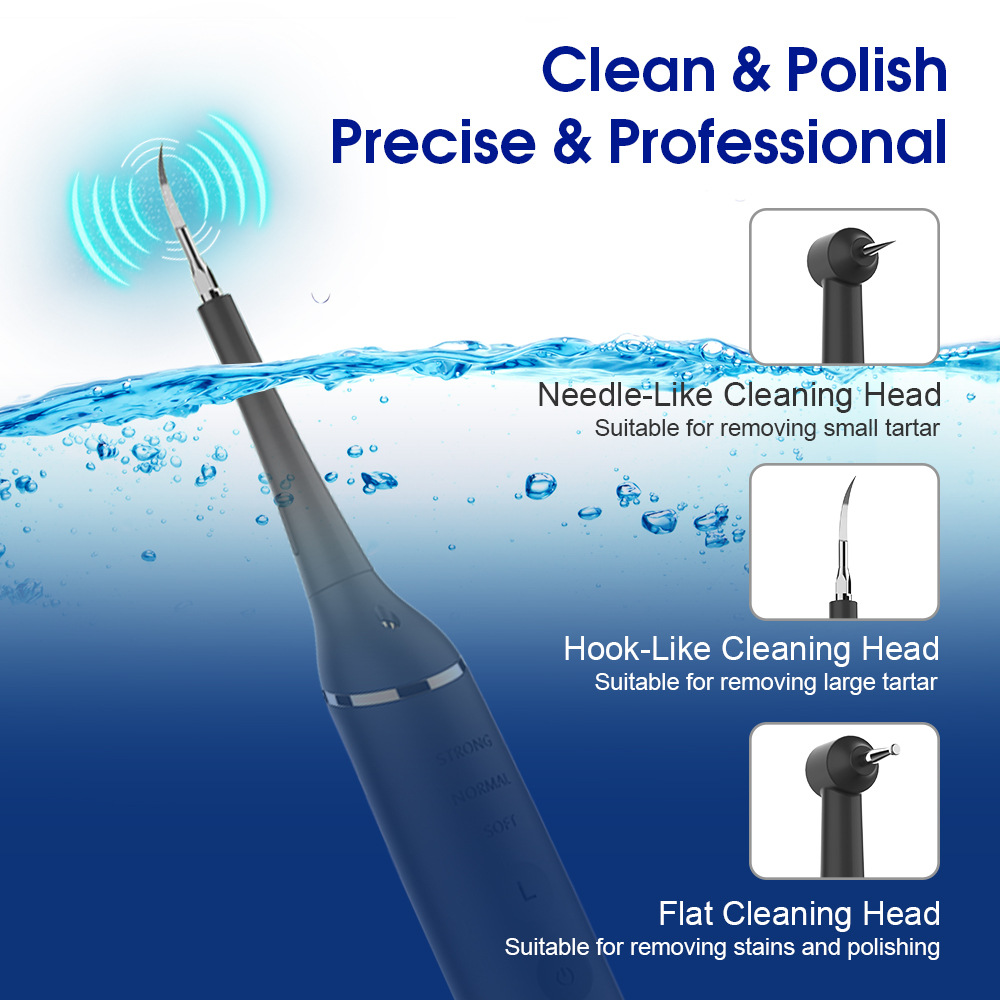
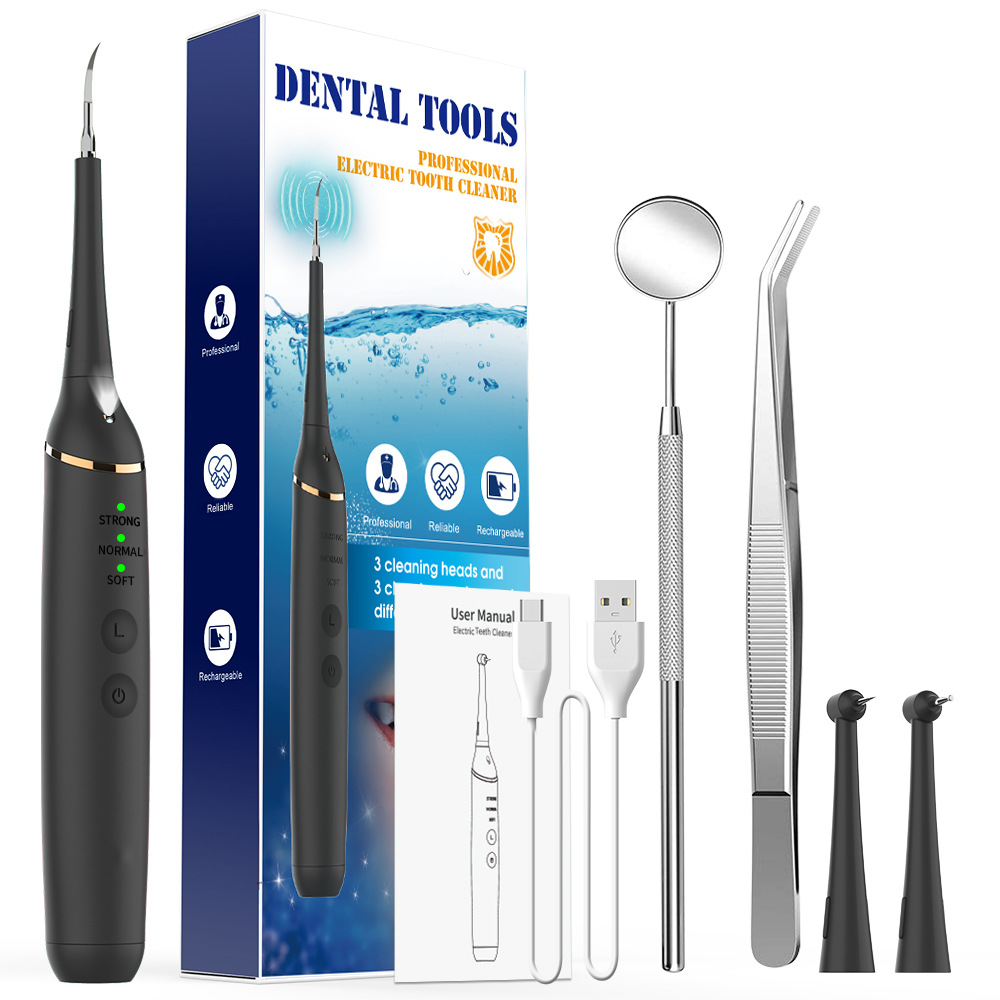
- 3 interchangeable cleaning heads — needle, hook, and flat heads tackle different areas and surface types
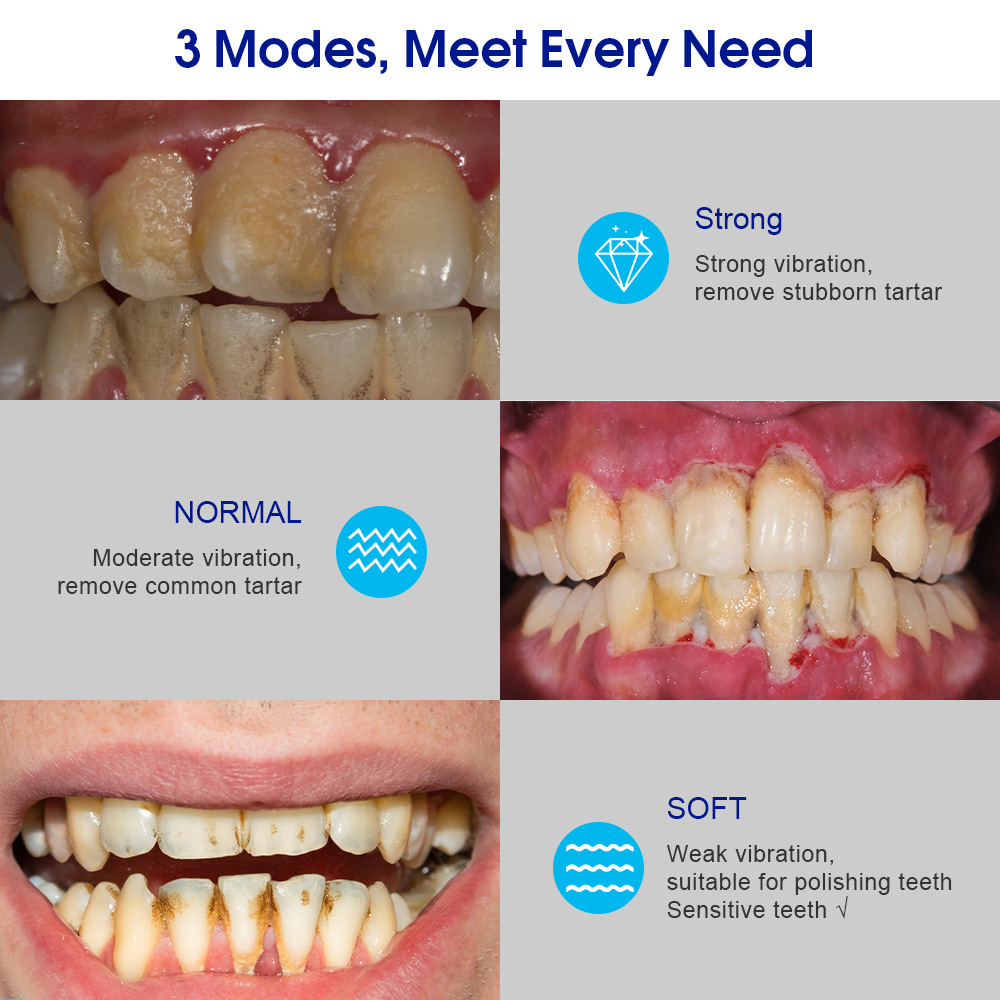
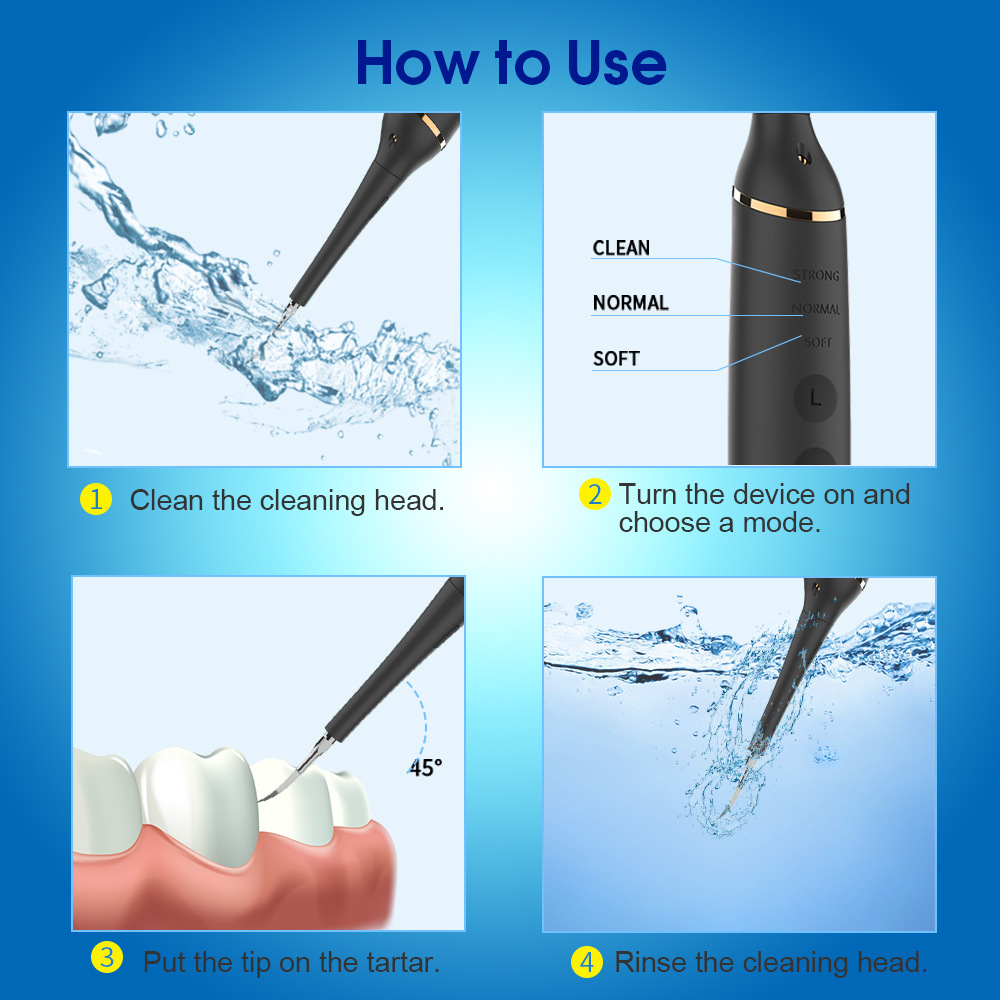
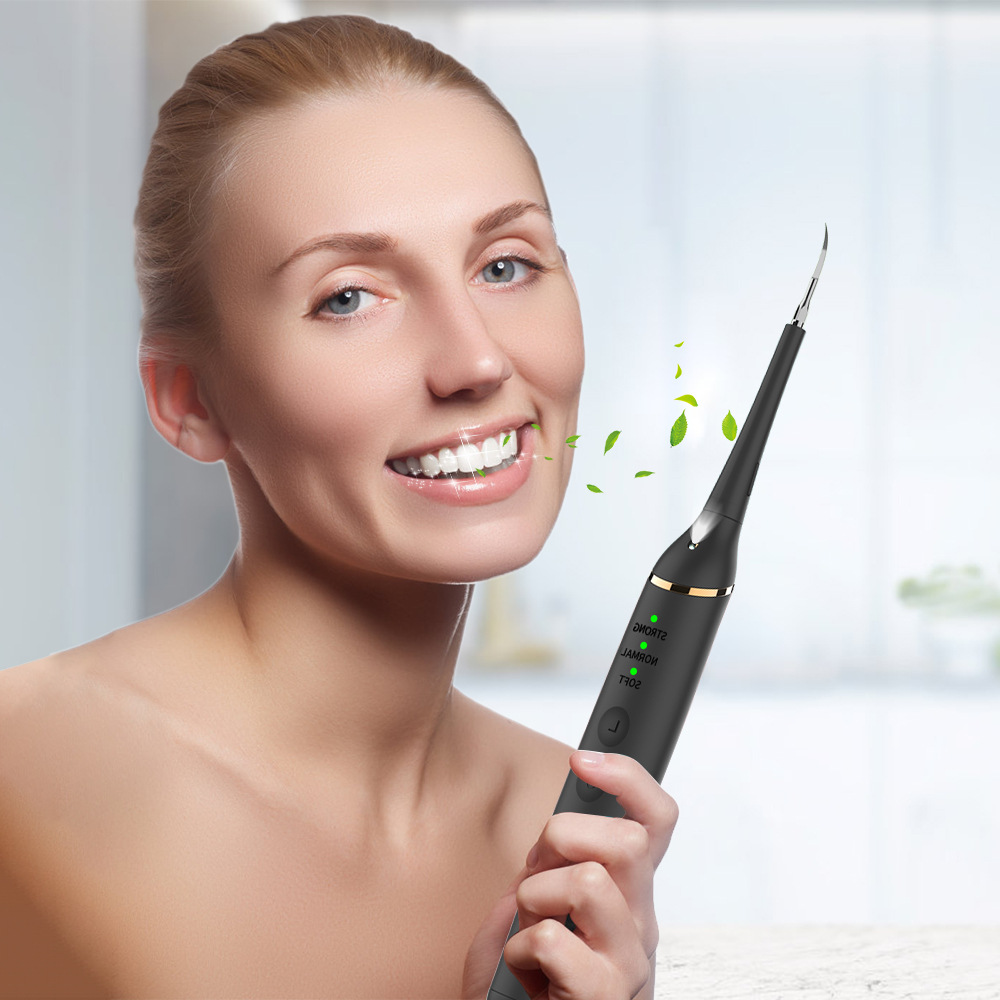
- 3 cleaning modes — select the right intensity for your needs
- Built-in LED light — illuminates the mouth for accurate, precise cleaning
- IPX6 waterproof — safe for bathroom use and easy to rinse clean
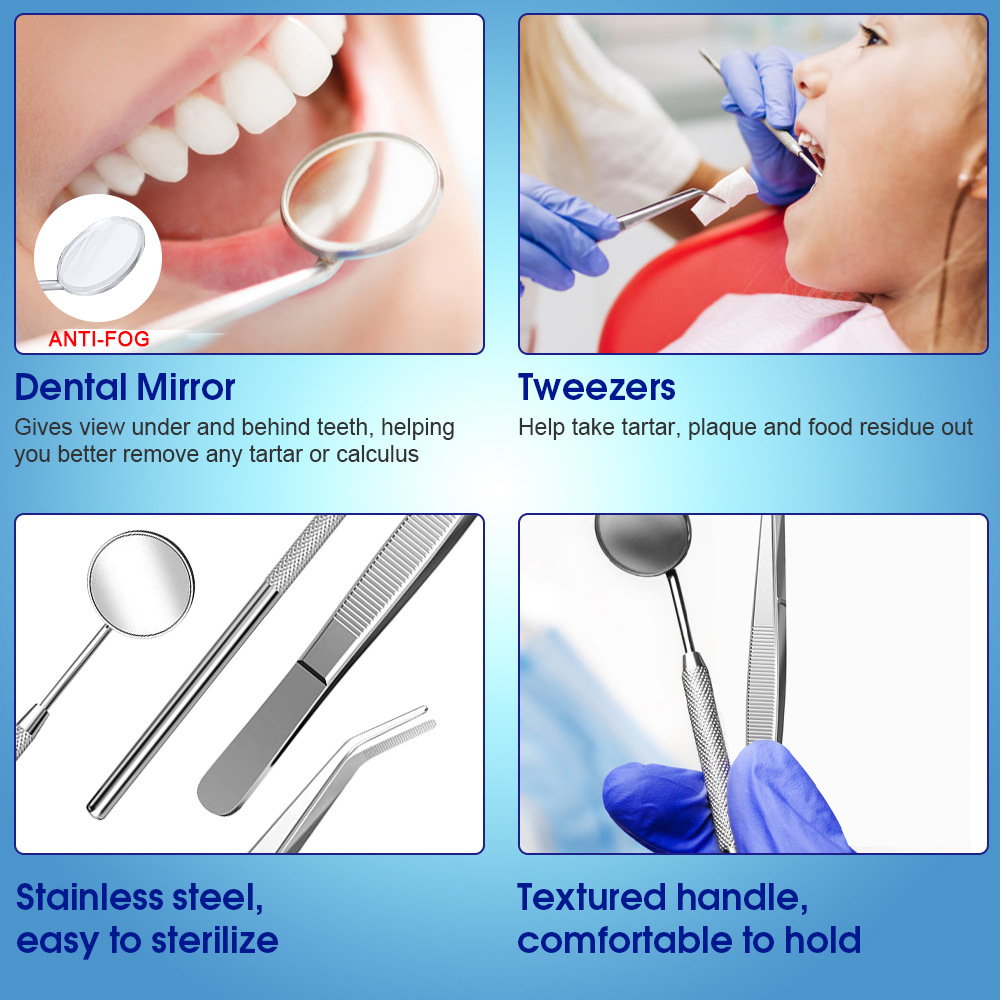
- Stainless steel working tip — durable, hygienic, and easy to sterilise
- Silicone grip handle — comfortable, non-slip hold
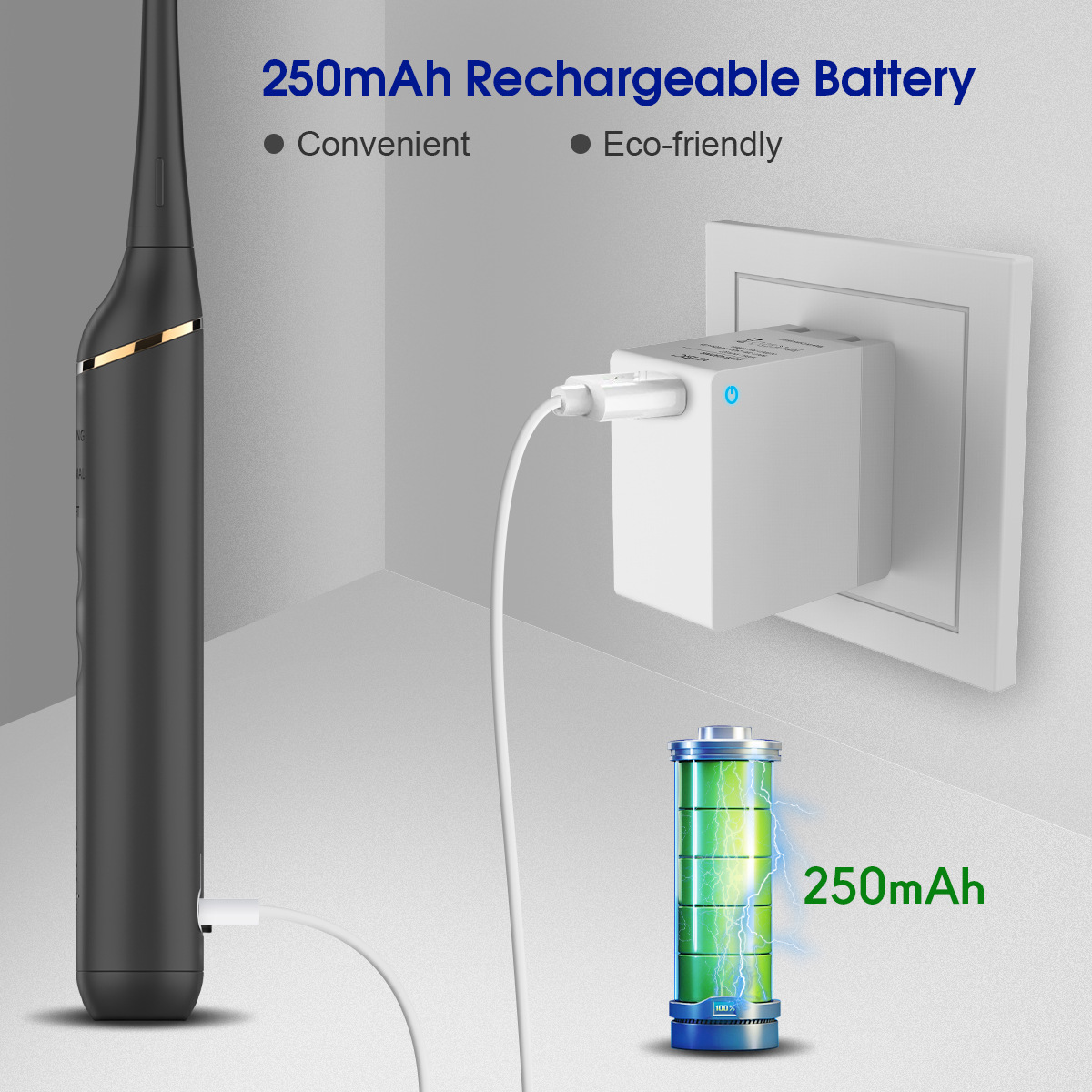
- 250mAh rechargeable battery — DC charging cable included
- FDA, CE, FCC, ROHS certified
⭐ Loved by our customers — see reviews below
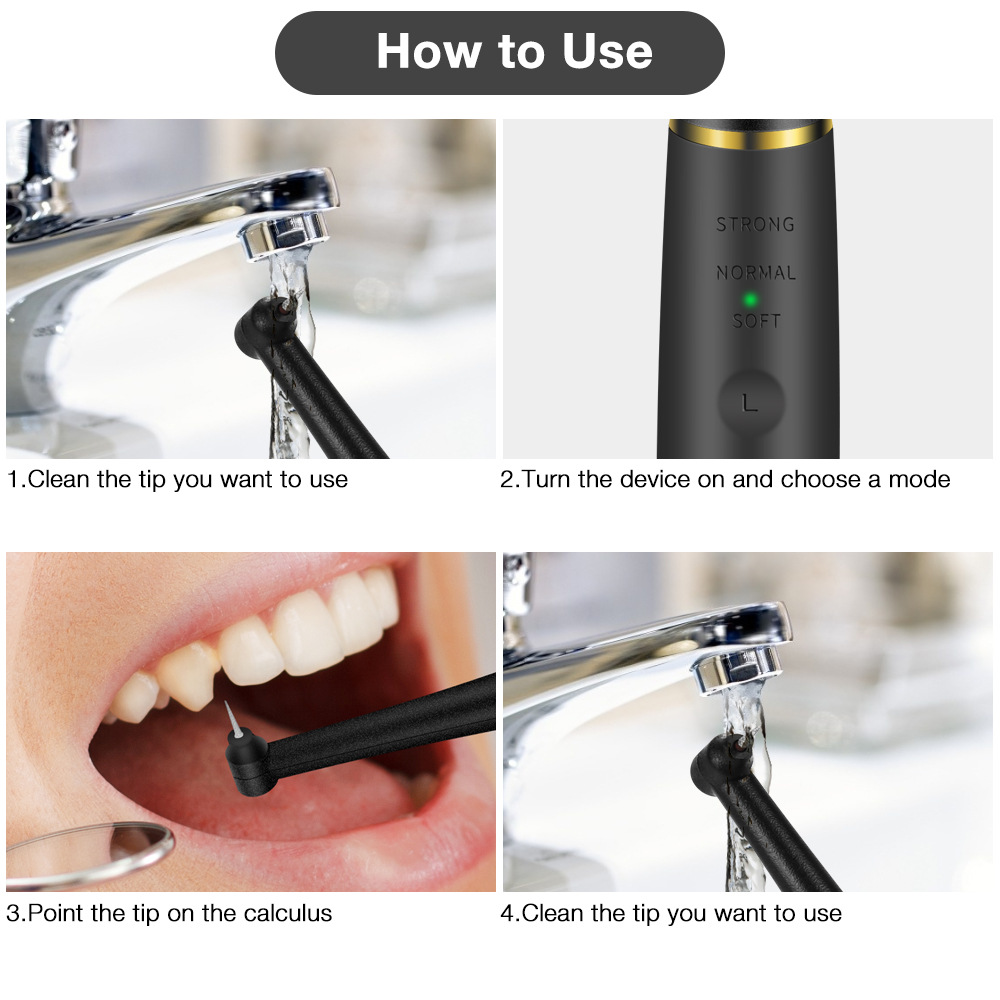
How to Use
- Attach your chosen cleaning head
- Clean the tip with water
- Press power to turn on; LED activates automatically
- Select your mode and apply the tip to the desired area
- Power off after use and rinse the cleaning head
Product Details
- Material: 303 stainless steel
- Battery: 250mAh, DC charging
- Waterproof: IPX6
- Dimensions: 19.5 × 2.6 × 2.4cm (excl. head)
- Colour: Black
- Certifications: FDA, CE, FCC, ROHS
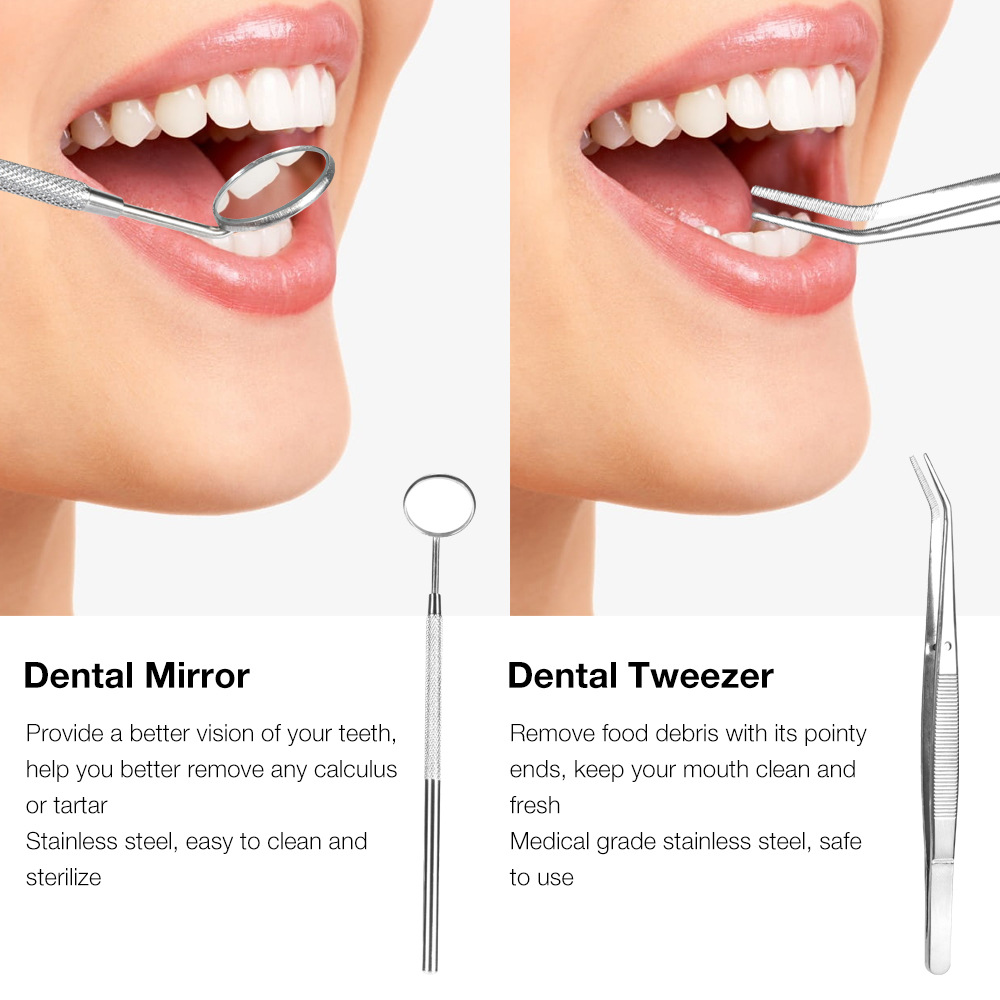
- Packing list: 1 × Host, 3 × Cleaning Heads, 1 × Oral Mirror, 1 × Tweezers, 1 × DC Charging Cable, 1 × Manual
Explore more in our Health & Wellness UK | The Gentleman UK | The Gift Oracle
Free UK delivery on all orders. Order today.


